
Conflict and tension: the Cold War 1945-72
Lerne es beim Spielen
Beantworte diese Fragen für Energie, dann angle und erkunde. Kein Konto nötig.
Für Lehrkräfte: sofort einsetzbare Lektionsfolien, Lernnotizen für Conflict and tension: the Cold War 1945-72 (History, Period Study) — nutze sie in deiner Lektion oder starte das Thema als interaktive Klassenaktivität, die deine Lernenden als Live-Spiel spielen.
Lektionsnotizen
The wartime allies split
- Yalta in February 1945 brought Roosevelt, Churchill and Stalin together, with agreements on occupation arrangements and declarations about liberated Europe. Agreement on principles did not establish that they would be implemented as every party expected.
- Potsdam ran from 17 July to 2 August 1945. Truman and Stalin attended, while Churchill was replaced by Attlee after the election result. Reparations, Germany and Poland were among issues of agreement and dispute. The US atomic advantage added to a wider pattern of mistrust.
- Soviet military presence and communist political consolidation created strong Soviet influence across much of Eastern Europe, with important differences between countries and over time. Churchill’s March 1946 speech expressed a Western account of an Iron Curtain; the phrase is a metaphor, not one literal wall already covering the continent.
Agreement and tension could coexist
US response
- Truman’s March 1947 appeal sought economic and military assistance for Greece and Turkey and framed support for peoples resisting coercion. It became associated with containment, whose methods and scope varied. Stated ideals should be compared with the governments and actions actually supported.
- Marshall proposed recovery assistance in June 1947. The programme operated from 1948, providing roughly $13 billion over several years. Recovery, trade, political stability and US influence were connected; it was not simply an unconditional charitable payment to every European country.
- Cominform, founded in 1947, coordinated participating communist parties; Comecon, founded in 1949, concerned economic cooperation. They were distinct organisations, not interchangeable names or military alliances.
Policy dates and functions differ
The Berlin Blockade 1948-49
- The British and US zones formed the Bizone in 1947; French participation in western integration developed later. Do not describe all three zones as already merged before the June 1948 blockade. Currency reform and competing occupation policies intensified the crisis.
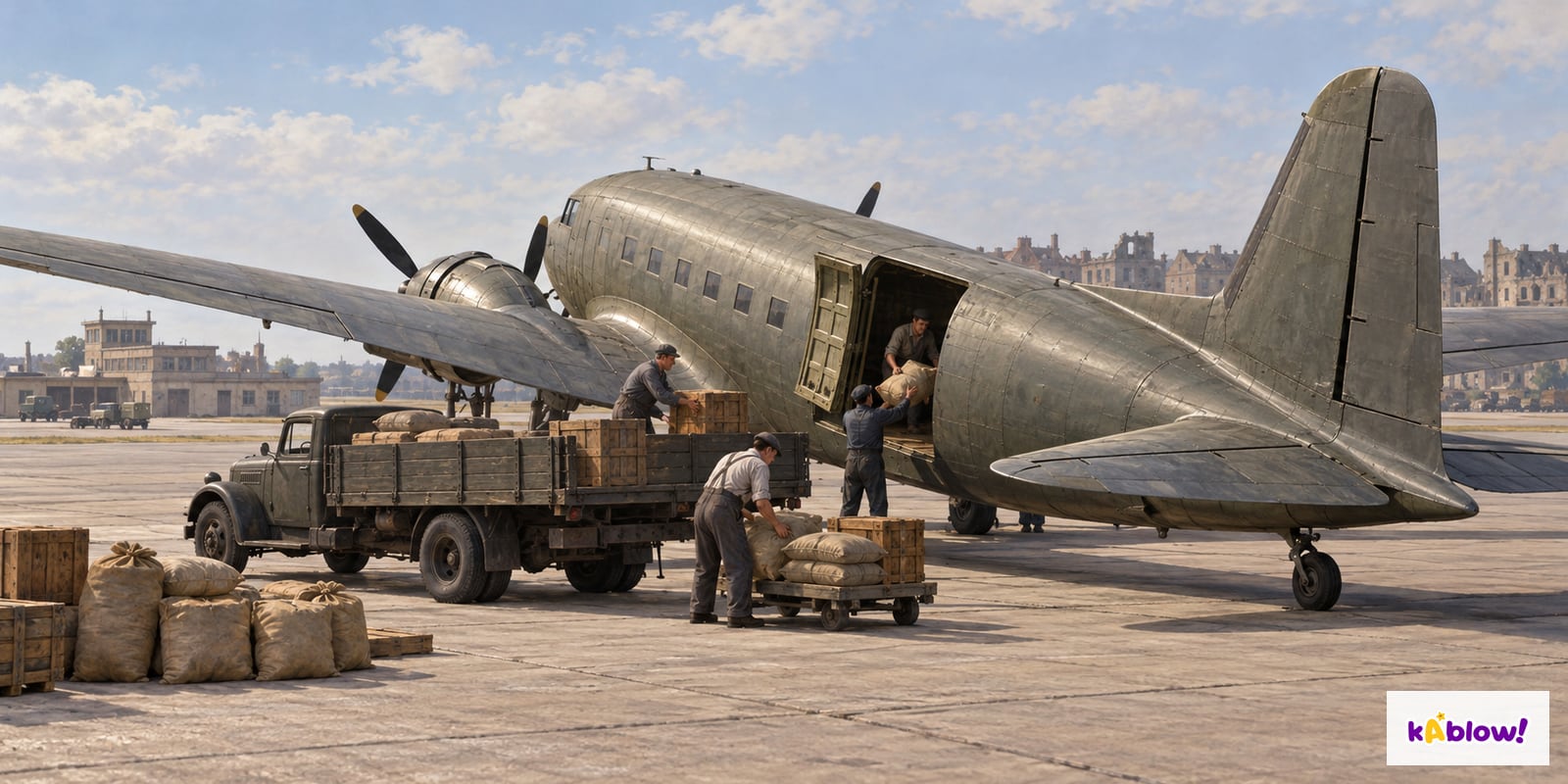
- From 24 June 1948, the major surface blockade restricted road, rail and water access to western Berlin. Airlift operations brought essentials through agreed air corridors, relying on aircraft, crews, ground workers, logistics and Berliners themselves.
- The blockade was lifted in May 1949, while airlift operations continued to build reserves. NATO’s treaty had already been signed in April. The Federal Republic followed in May and the GDR in October. The crisis contributed to hardened division alongside wider policies; these developments were not all automatic results of its ending.
Supplying the city by air
Arms race and alliances
- The Soviet atomic test in 1949 ended the US monopoly. Nuclear competition involved weapons, delivery systems, resources and strategic calculations, creating dangers that later agreements tried to manage.
- NATO’s founding treaty was signed on 4 April 1949. The Soviet-led Warsaw Pact followed in May 1955 after West Germany entered NATO. The alliances formalised power relationships but did not make all members identical or eliminate national aims.
- The Cold War was a prolonged rivalry without a full-scale direct US–Soviet war. It included devastating local and regional wars, direct participation by foreign forces, threats, repression and covert action. The word cold does not mean an absence of violence.
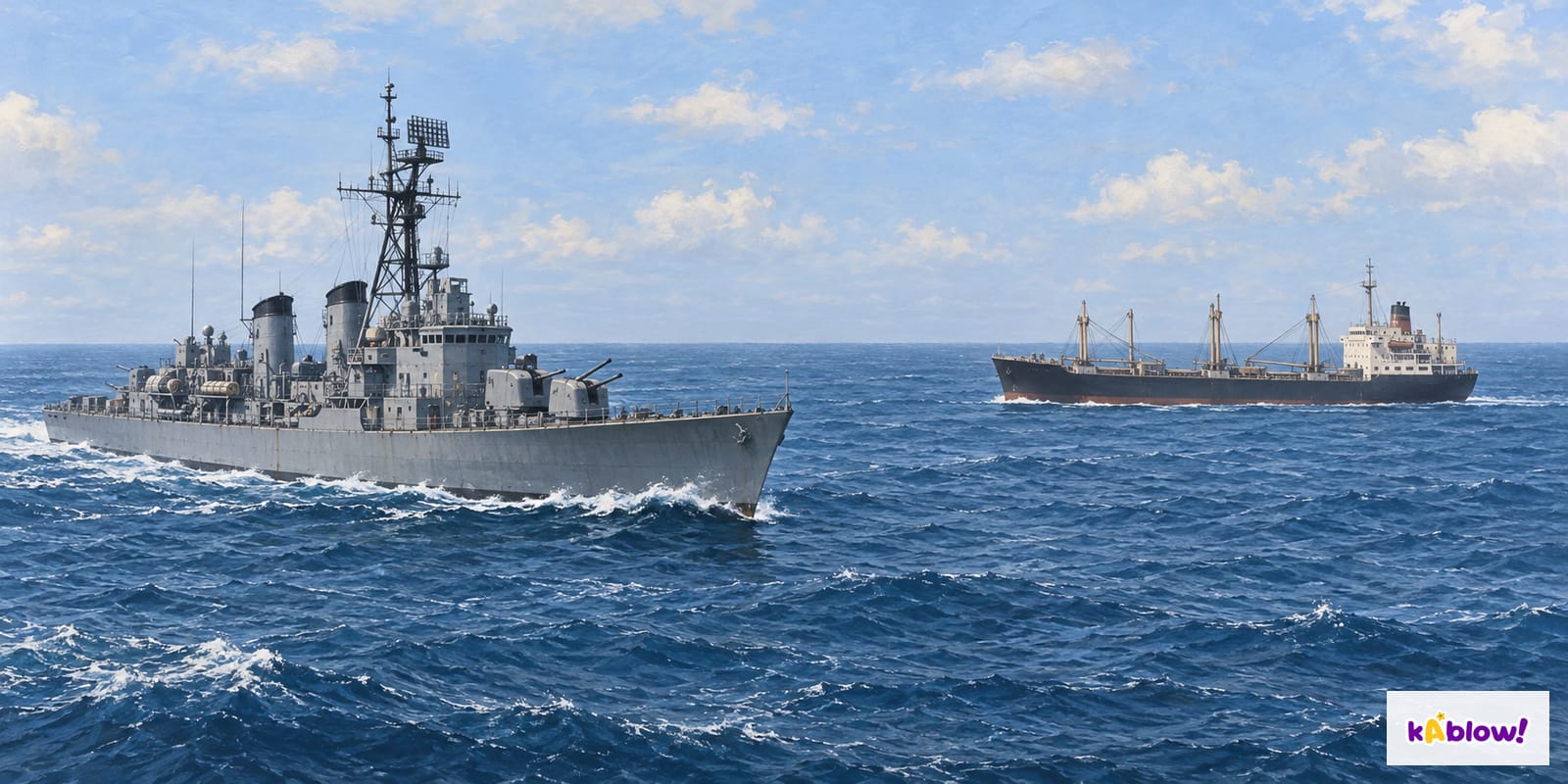
Selected crises, 1956–68
- Soviet intervention in Hungary in 1956 restored control after a popular uprising and Nagy’s move toward neutrality. The Berlin border closure beginning in August 1961 aimed to stop emigration; fortifications developed over time.
- The October 1962 Cuban crisis involved Soviet deployment agreed with Castro, a US quarantine and dangerous escalation risks. Soviet withdrawal, a US non-invasion assurance and a private assurance about removing Jupiter missiles from Turkey formed the settlement.
- The 1968 Prague Spring brought reforms within socialism; Soviet-led intervention and later normalisation reversed key freedoms. These cases show different challenges to control and security, not one identical confrontation.
Different choices within a confrontation
Détente and its limits by 1972
- After the Cuban crisis, the 1963 direct communications link initially transmitted written messages. The Limited Test Ban Treaty prohibited tests in the atmosphere, outer space and underwater, leaving underground testing permitted within its terms.
- SALT I in 1972 included the ABM Treaty and an Interim Agreement limiting specified strategic missile launchers. It did not abolish nuclear arsenals, cap every warhead or prevent every technological development. Nixon’s diplomacy in Moscow and China formed part of an effort to manage rivalry.
- This lesson is an overview across 1945–72, with the companion crises lesson giving further examples. It is not a complete close study of every required event for all exam-board options; check the actual option and assessment requirements.
Managing dangers did not end rivalry
Folien
Sign up free to view the lesson slides
Step through every slide for this topic — plus flashcards and revision notes — with a free account.
Übungsfragen
Gratis-Vorschau — 8 von 37 Fragen. Registriere dich, um alle zu sehen.
1.Which conference took place in February 1945?
Easy- AYalta
- BPotsdam
- CVersailles
- DMunich
2.What was NATO?
Easy- Aa Soviet alliance
- Ba trade union
- Ca peace treaty
- Da Western military alliance formed in 1949
3.What was the Truman Doctrine?
Easy- Aa treaty
- Ba trade deal
- Ca US commitment to assist peoples resisting coercion, initially applied to Greece and Turkey
- Da plan to bomb Russia
4.What was the Marshall Plan?
Easy- Aa spy plan
- BUS economic aid to rebuild Europe
- Ca military plan
- Da peace treaty
5.What was Comecon?
Easy- Aa Soviet-led council for economic cooperation founded in 1949
- Ba military alliance
- Ca Western bank
- Da treaty
6.What was Cominform?
Easy- Aa US body
- Ba bank
- Ca court
- Da Soviet-led organisation coordinating participating communist parties
7.Why did Stalin blockade Berlin?
Easy- Ato help the West
- Bto start a war
- Cto pressure the Western powers over Berlin and changes in their occupation zones
- Dto feed Berliners
8.What was the Berlin Airlift?
Easy- Aa peace treaty
- Bsupplying West Berlin by air
- Cbombing Berlin
- Dbuilding a wall
Unlock all 37 questions & more
Erstelle ein Gratis-Konto, um alle Fragen, Folien, Karteikarten und Lernnotizen zu diesem Thema zu sehen.
Altklausuren
Altklausuren-Übungen für dieses Thema kommen bald.
Bald verfügbar