
Dr Jekyll and Mr Hyde: plot, characters and context
Apréndelo jugando
Responde estas preguntas para ganar energía, luego pesca y explora. Sin cuenta.
Para educadores: diapositivas de la lección, apuntes de repaso listos para usar sobre Dr Jekyll and Mr Hyde: plot, characters and context (English Literature, 19th-Century Novel) — úsalos en tu lección, o presenta el tema como una actividad interactiva de clase que tus aprendices juegan como un juego en vivo.
Apuntes de la lección
Plot summary
- The anonymous third-person narrative mainly follows lawyer Utterson. Enfield recounts Hyde trampling a girl and using a cheque connected to Jekyll, prompting questions about their relationship.
- Utterson holds Jekyll’s early will but refused to help draft it. It names Hyde as beneficiary on death or prolonged disappearance. Near the end, a replacement will names Utterson.
- Hyde murders Carew. Jekyll initially becomes sociable again, then withdraws. The disappearance of Hyde and Jekyll’s changing behaviour increase Utterson’s uncertainty.
- After Hyde is found dead, Utterson reads Lanyon’s account of Hyde transforming into Jekyll. Lanyon describes the experience as devastating and dies before the documents are opened.
- Poole’s concerns lead to the forced entry. Jekyll’s final statement describes creating Hyde, increasing loss of control and a failed attempt to repeat the experiment’s original conditions. Jekyll calls himself composite rather than wholly good.
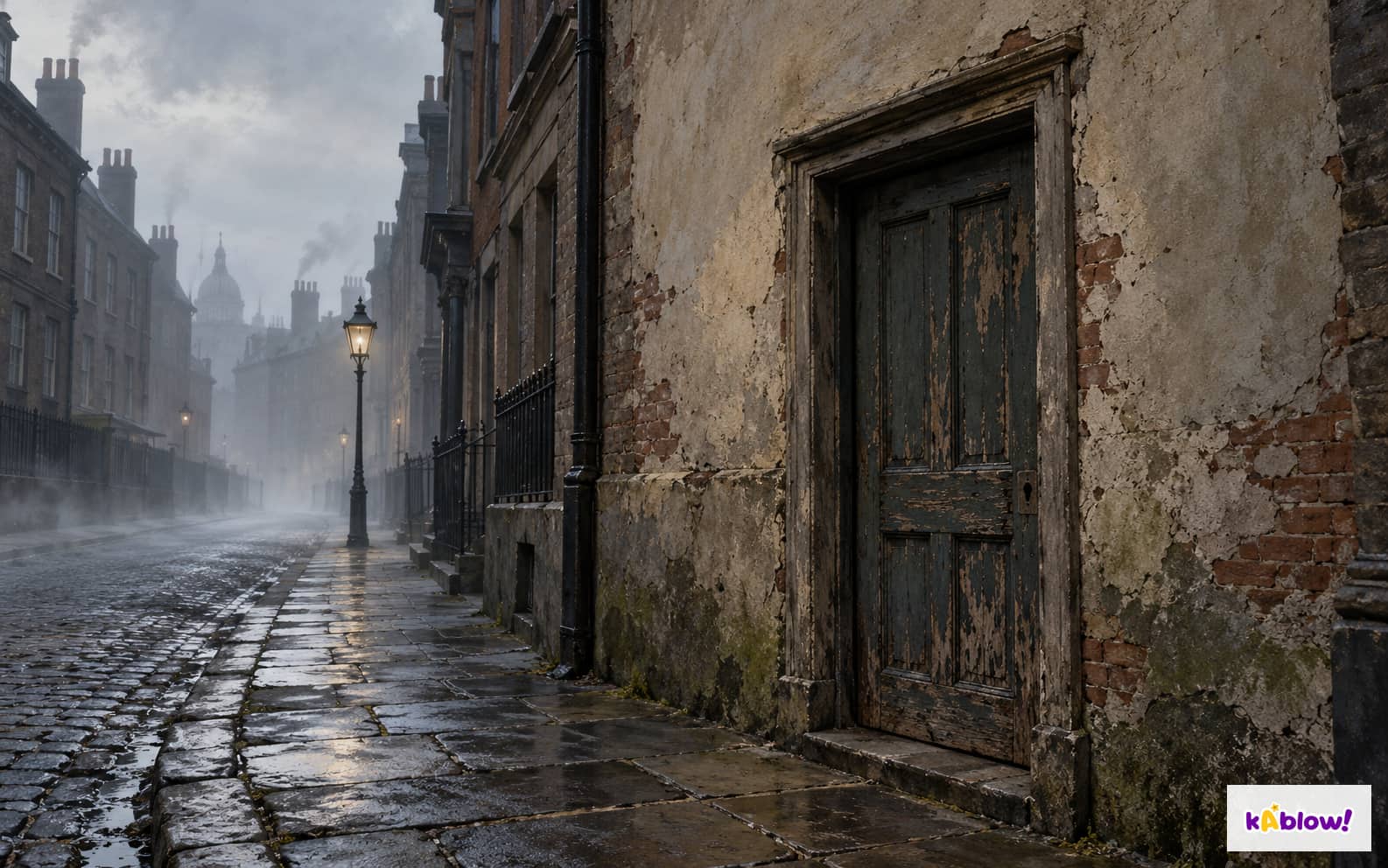
A threshold that withholds information
Characters
- Jekyll is a respected doctor who acknowledges mixed motives and concealed conduct. Hyde embodies what he tries to disown. Utterson investigates while avoiding scandal; Lanyon disputes Jekyll’s methods; Enfield supplies an early account; Poole seeks help.
Who knows what?
Context
- Composed in 1885 and published in 1886. Professional reputation, secrecy, scientific controversy and cultural fears of degeneration are relevant contexts. Distinguish evolutionary science from prejudiced claims that physical difference proves evil. The novella’s voices and fictional experiment should not be treated as medical or biological evidence.
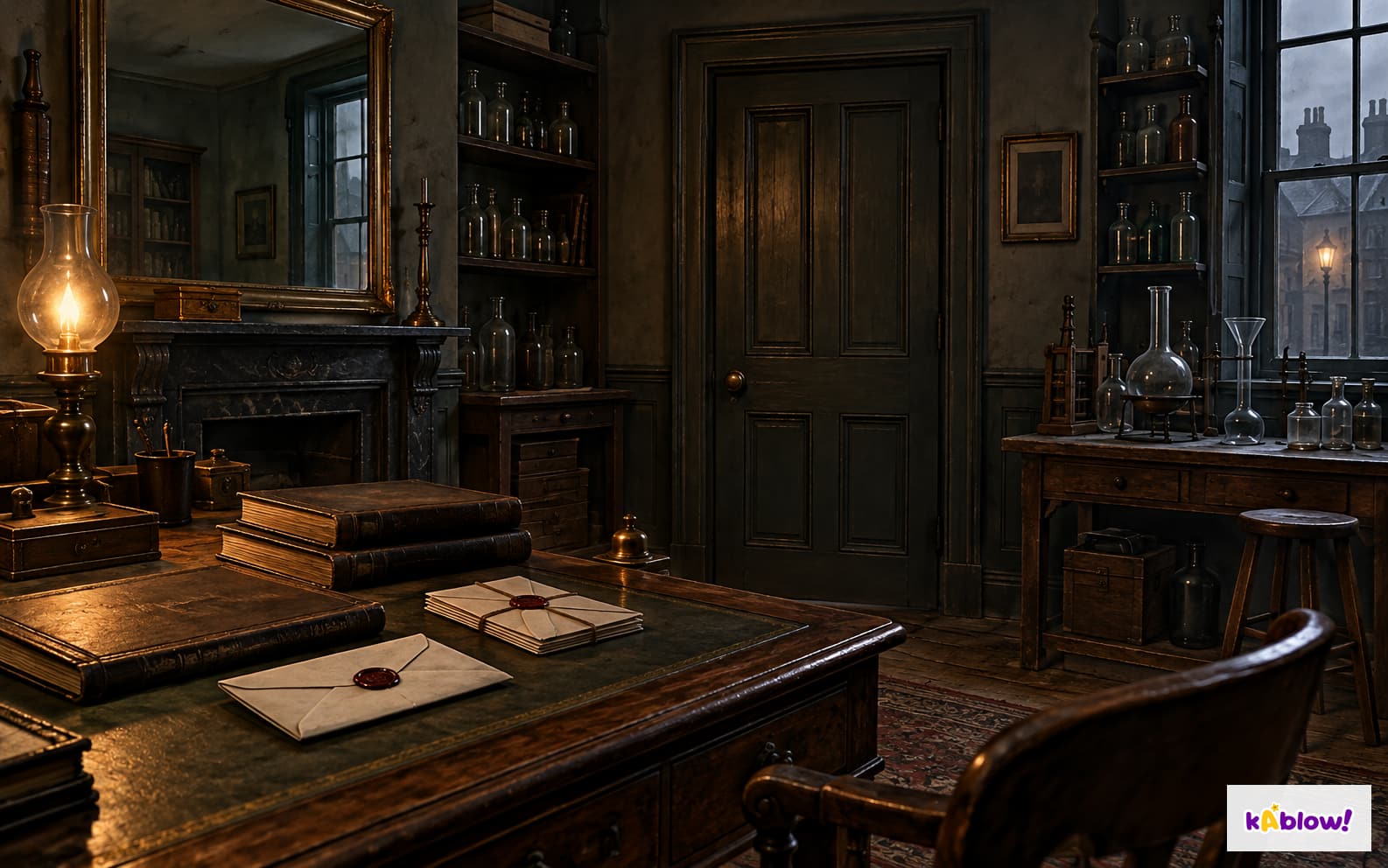
Private work and sealed evidence
Diapositivas
Sign up free to view the lesson slides
Step through every slide for this topic — plus flashcards and revision notes — with a free account.
Preguntas de práctica
Vista previa gratis — 8 de 33 preguntas. Regístrate para verlas todas.
1.Who wrote Dr Jekyll and Mr Hyde?
Easy- ARobert Louis Stevenson
- BCharles Dickens
- CArthur Conan Doyle
- DThomas Hardy
2.What is Utterson's profession?
Easy- Adoctor
- Bservant
- Csoldier
- Dlawyer
3.Who is Hyde?
Easy- ALanyon's cousin
- BPoole's friend
- CJekyll's alter ego
- DUtterson's brother
4.Whose murder by Hyde is witnessed from a window?
Easy- APoole
- BSir Danvers Carew
- CUtterson
- DLanyon
5.What did Hyde do to a young girl?
Easy- Atrampled her
- Bhelped her
- Csaved her
- Dignored her
6.Whom does Jekyll’s early will name as beneficiary on death or prolonged disappearance?
Easy- Aeverything goes to Utterson
- Beverything goes to Lanyon
- Cnothing
- Deverything goes to Hyde
7.What happens to Dr Lanyon?
Easy- Ahe disappears
- Bhe marries
- Che dies after seeing the transformation
- Dhe becomes Hyde
8.What does Poole tell Utterson?
Easy- Athe house is empty
- Bthe voice in the laboratory is not Jekyll's
- CJekyll is happy
- DHyde is gone
Unlock all 33 questions & more
Crea una cuenta gratis para ver todas las preguntas, las diapositivas, las tarjetas y los apuntes de repaso de este tema.
Exámenes anteriores
La práctica con exámenes anteriores de este tema llegará pronto.
Próximamente