Descriptive writing paints a picture in words, bringing a person, place or moment alive for the reader. It is often set by a prompt: an image, a title, or an opening such as "Describe a deserted street at night."
It is less about plot and more about atmosphere and detail.
Techniques
Use sensory language: sight, sound, smell, touch, taste. "The air smelt of damp earth and woodsmoke."
Use figurative language: similes, metaphors and personification. "The moon hung like a coin."
Choose precise vocabulary: verbs and adjectives that suggest more than basic words ("trudged", "glimmering").
Vary sentence patterns and lengths purposefully. A minor sentence may isolate a detail or create a pause; the effect depends on the surrounding writing.
Use concrete actions and sensory details to suggest feelings where useful. Direct statements and summary can also be effective; “show, don’t tell” is a technique, not an absolute rule.
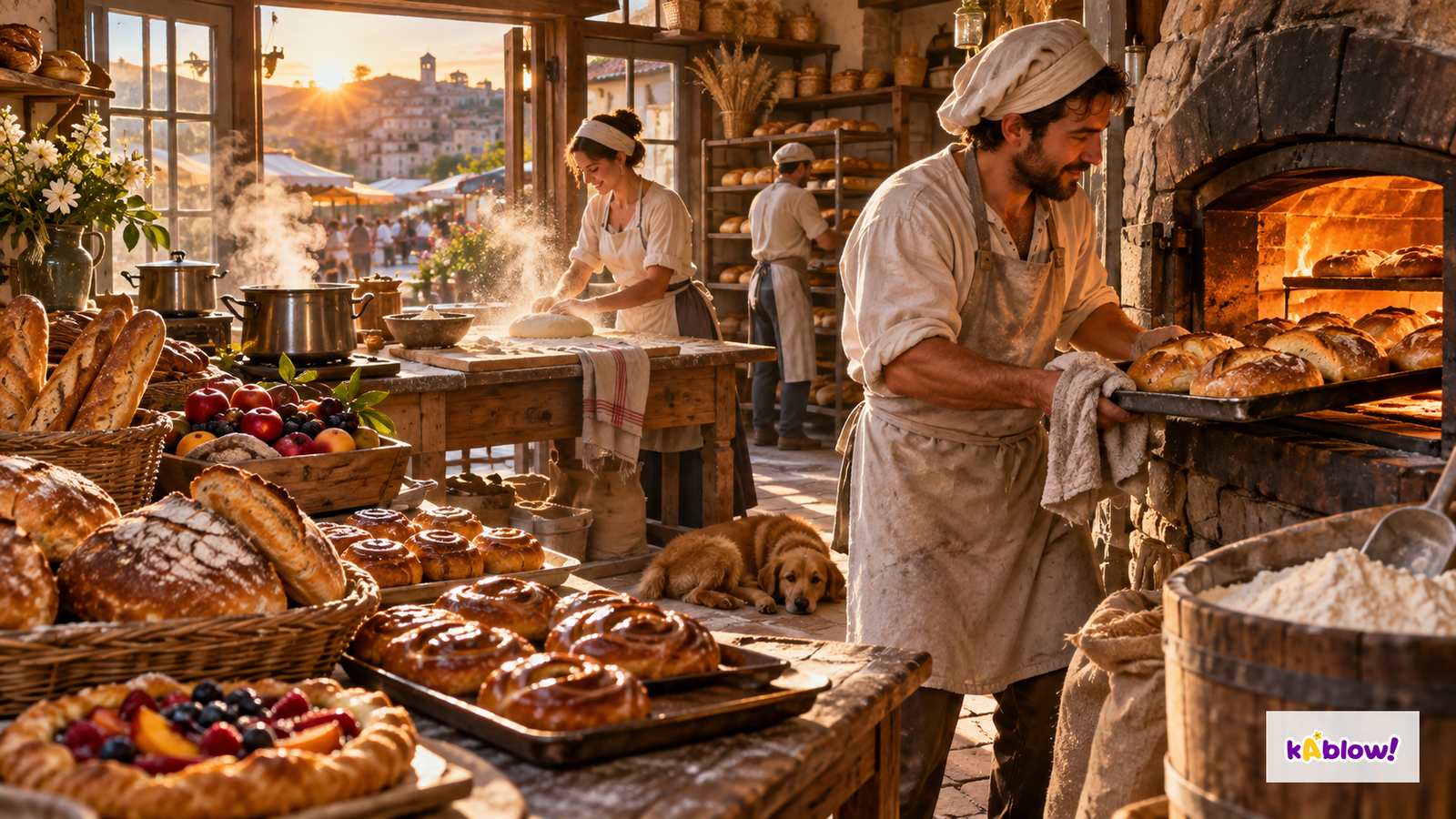
An imagined bakery
Structure
Move through the scene in a clear order: zoom in from the wider view to details, or follow a journey through a place; shift the focus to sustain interest.
Keep viewpoint and time relationships clear. Deliberate shifts can work when signalled. Choose an opening and ending that suit the intended impression rather than following a fixed formula.
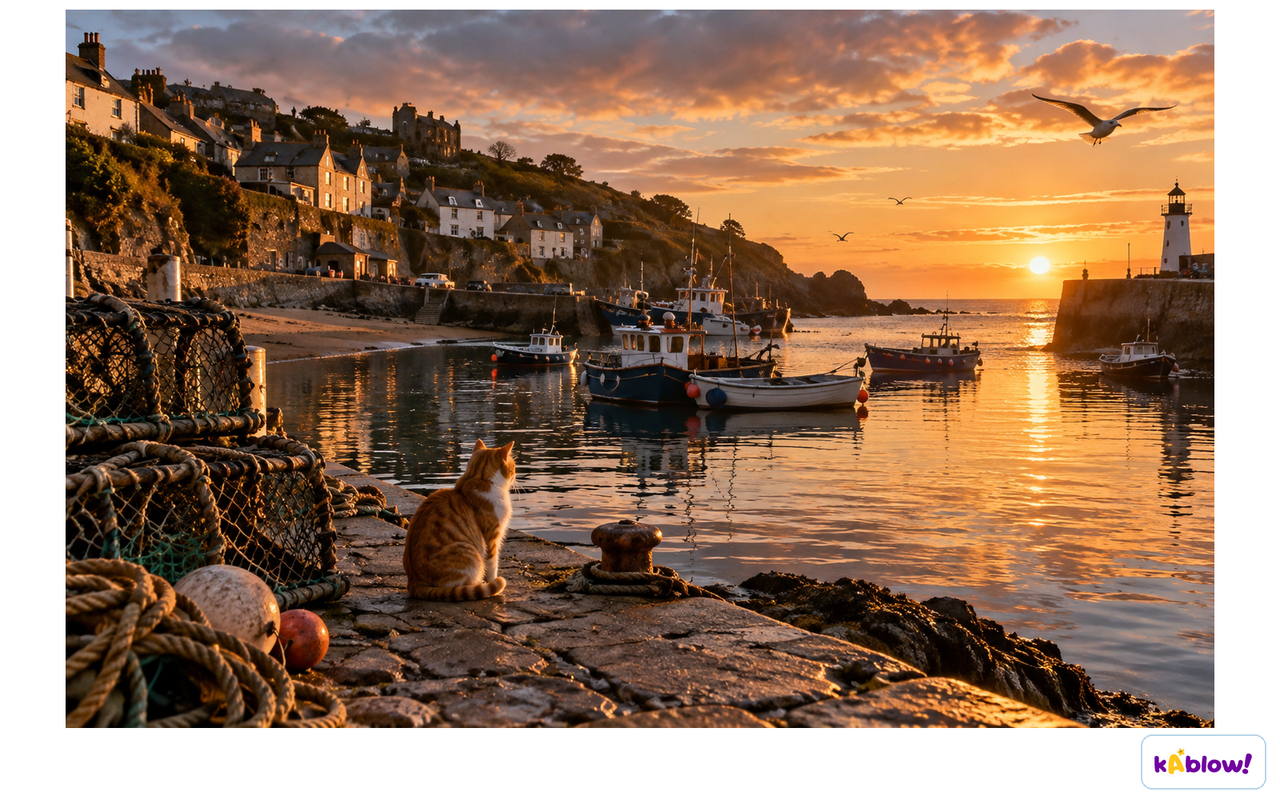
From a harbour view to a small detail
Avoid
Avoid vague, unselected adjective piles and accidental shifts of tense or viewpoint. Choose details for a purpose; an original use of a familiar phrase or a small action can still contribute to description.
Choose details for an impression
スライド
Sign up free to view the lesson slides
Step through every slide for this topic — plus flashcards and revision notes — with a free account.