教育者の方へ: Romeo and Juliet: themes, language and structure(English Literature、Shakespeare)向けのすぐ使えるレッスンスライド, 復習ノート — レッスンで使うか、学習者がライブゲームとして遊ぶインタラクティブなクラス活動としてトピックを実施できます。
Love and hate: love is intense and idealised, but is set against the feud. Juliet says "My only love sprung from my only hate!" Oxymorons such as "loving hate" and "sweet sorrow" capture the conflict.
Fate and free will: the Prologue calls the lovers "star-crossed" and says their deaths are "death-marked". Yet impulsive choices also drive the tragedy.
Conflict and violence: the feud causes deaths; Mercutio curses "A plague o' both your houses!"
Youth and age: compare particular relationships rather than opposing all young people to all older people. The Nurse and Friar help, warn and make choices, while Capulet’s approach to marriage changes.
Family and loyalty: duty to family clashes with personal feeling.
Themes through dramatic choices
Language and imagery
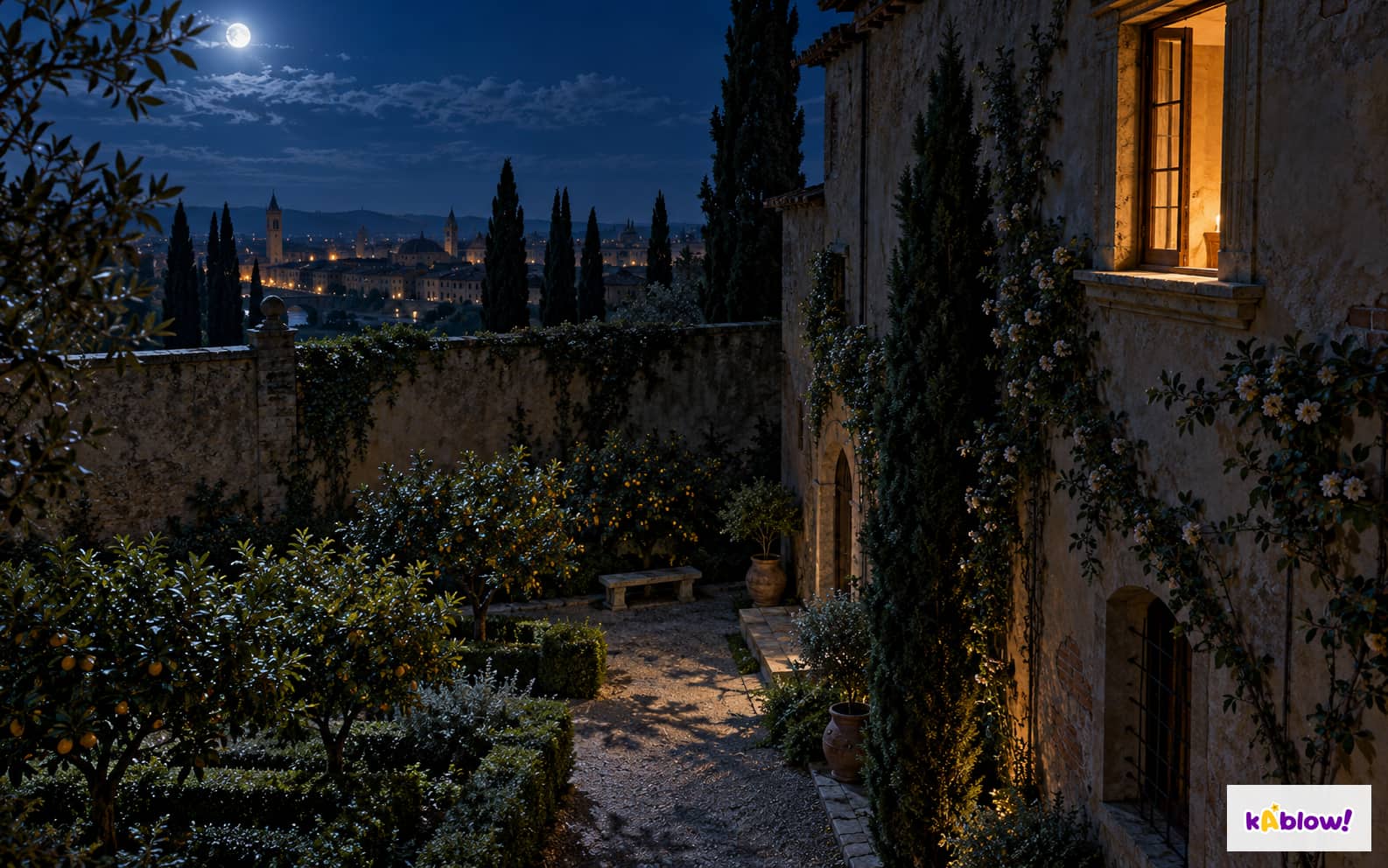
Light can idealise Juliet, while night may conceal and protect private affection. Dawn can be threatening because it ends their time together. Explain the image in context rather than equating all darkness with evil.
Oxymoron and antithesis shape contradictions. Sonnet form appears in the Prologue and first meeting; it can invoke courtship conventions while exposing conflict and anticipated loss.
Dramatic irony: the audience knows the ending from the Prologue; Juliet's "If he be married, my grave is like to be my wedding bed" anticipates her death.
Light, darkness and separation
Structure
The tragedy compresses its action into a few days, combining haste, delay and unequal knowledge. Act 3 scene 1 is a major turn, but tragedy is announced at the outset and humour continues later. The families’ reconciliation reveals the cost of their conflict rather than undoing the deaths.
Foreknowledge and turning points
スライド
Sign up free to view the lesson slides
Step through every slide for this topic — plus flashcards and revision notes — with a free account.