Define the outcome before sorting long-term, short-term and precipitating factors. Categories such as economic, political and religious can overlap rather than divide every cause neatly.
Armada planning began before 1587. Mary’s execution intensified the conflict, while Drake’s 1587 raid delayed preparations; it should not be called the final trigger that first caused an invasion decision.
Rank causes through an explicit criterion, explaining interactions. The 1929 Crash helped create conditions for increased Nazi support, while Hitler’s January 1933 appointment also depended on later decisions and political deals.
Define the outcome before the cause
Consequence
Consequences are effects: immediate or longer-term, intended or unintended by a particular actor, and political, social or economic. Explain the mechanism rather than assuming every later event was caused by the earlier one.
Later does not automatically mean caused by
Change and continuity
Compare two points in time: what changed, what stayed the same? Describe the pace (fast or slow), the extent (a little or a lot), and identify turning points (moments of major change).
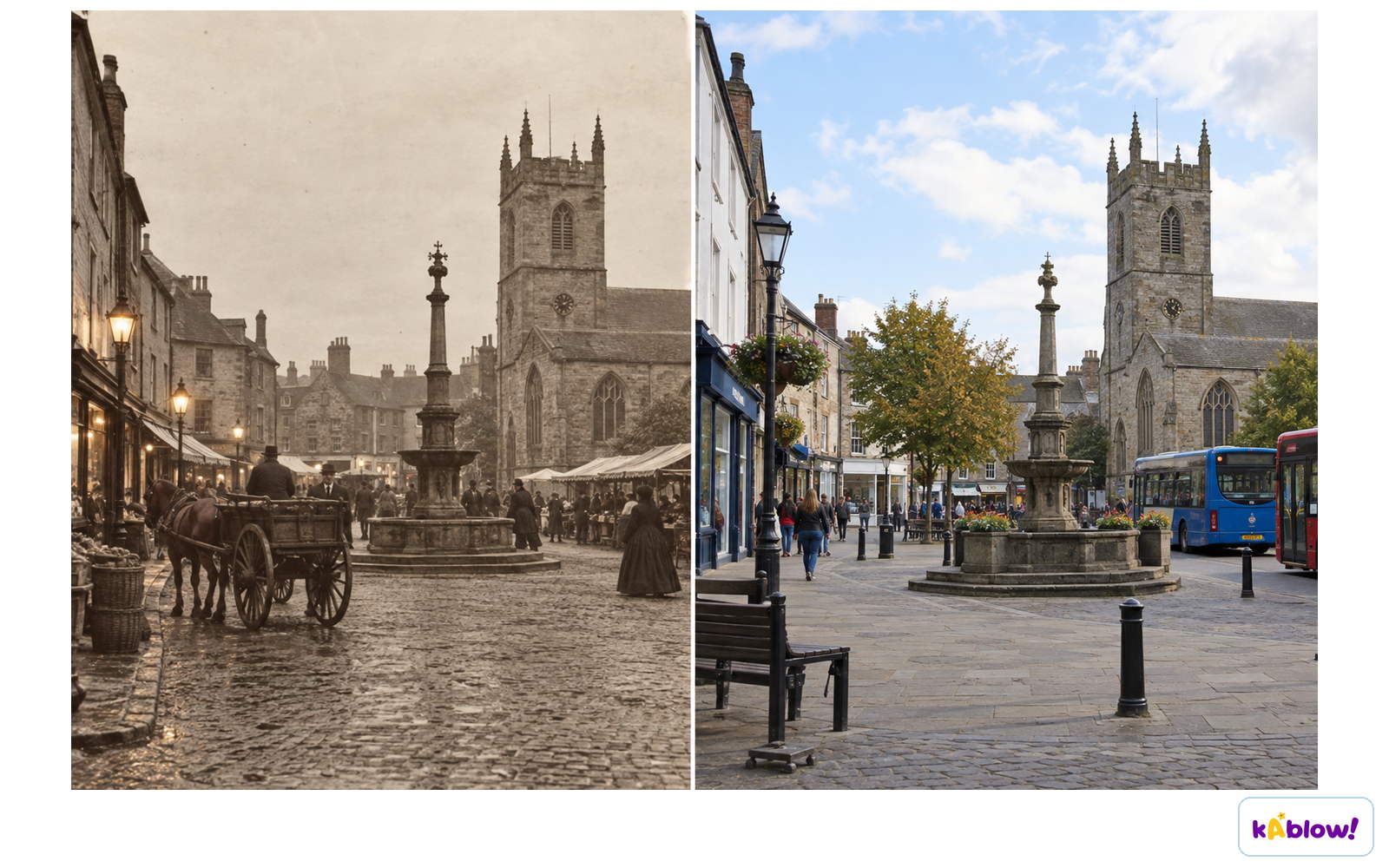
Progress or regression is a judgement against criteria and experience. A transport change can increase speed while imposing costs elsewhere; an imagined before/after image cannot establish every effect on a real population.
Change and continuity can coexist
Writing about them
Words such as led to and resulted in signal causal claims, but the mechanism and evidence establish them. A supported judgement may explain conditions, thresholds and interactions rather than naming one universally most important factor.
Skills for exam questions
"Explain why..." (causes), "How far...?" (judgement), "What was the consequence of...?" (effects).
スライド
Sign up free to view the lesson slides
Step through every slide for this topic — plus flashcards and revision notes — with a free account.