Robotics
Learn it by playing
Answer these questions to earn energy, then fish and explore. No account needed.
Lesson notes
What is Robotics?
- Robotics is the principle of a robot carrying out a task by following a precise set of programmed instructions.
- Robots can be categorised into dumb robots (repeat same instructions, no AI) and smart robots (adapt and learn using AI).
- Example of dumb robot: car assembly line robot.
- Example of smart robot: assisting surgeons in delicate procedures.
- Development of AI, machine learning and robotics raises ethical/legal issues: accountability, safety, algorithmic bias, legal liability.
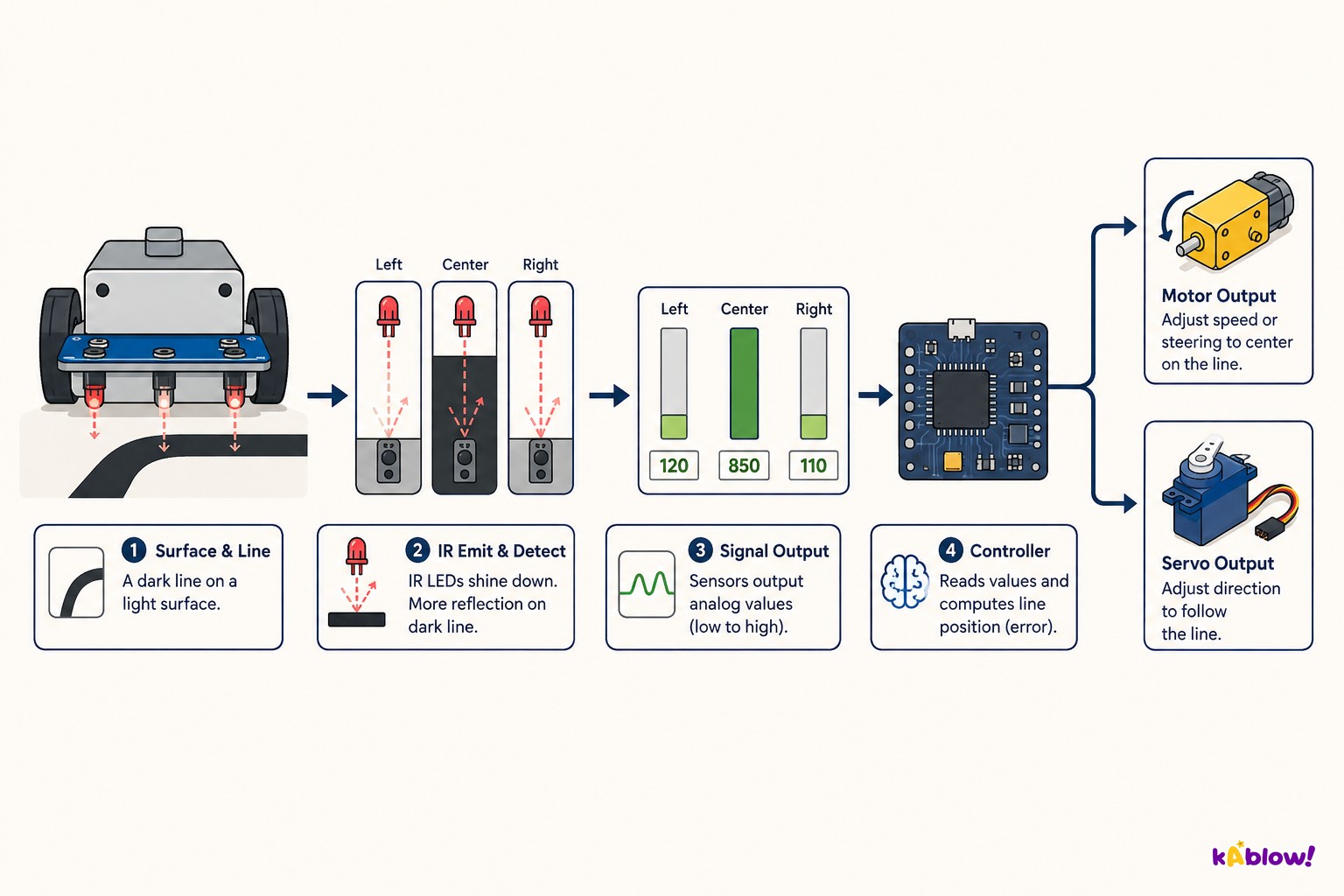
Line-following robot control
Characteristics of a Robot
- All robots share three common characteristics: mechanical structure, electrical components, and being programmable.
- Mechanical structure: a physical body that can move and interact with the environment.
- Electrical components: sensors, microprocessors and actuators.
- Programmable: designed to follow a precise set of instructions.
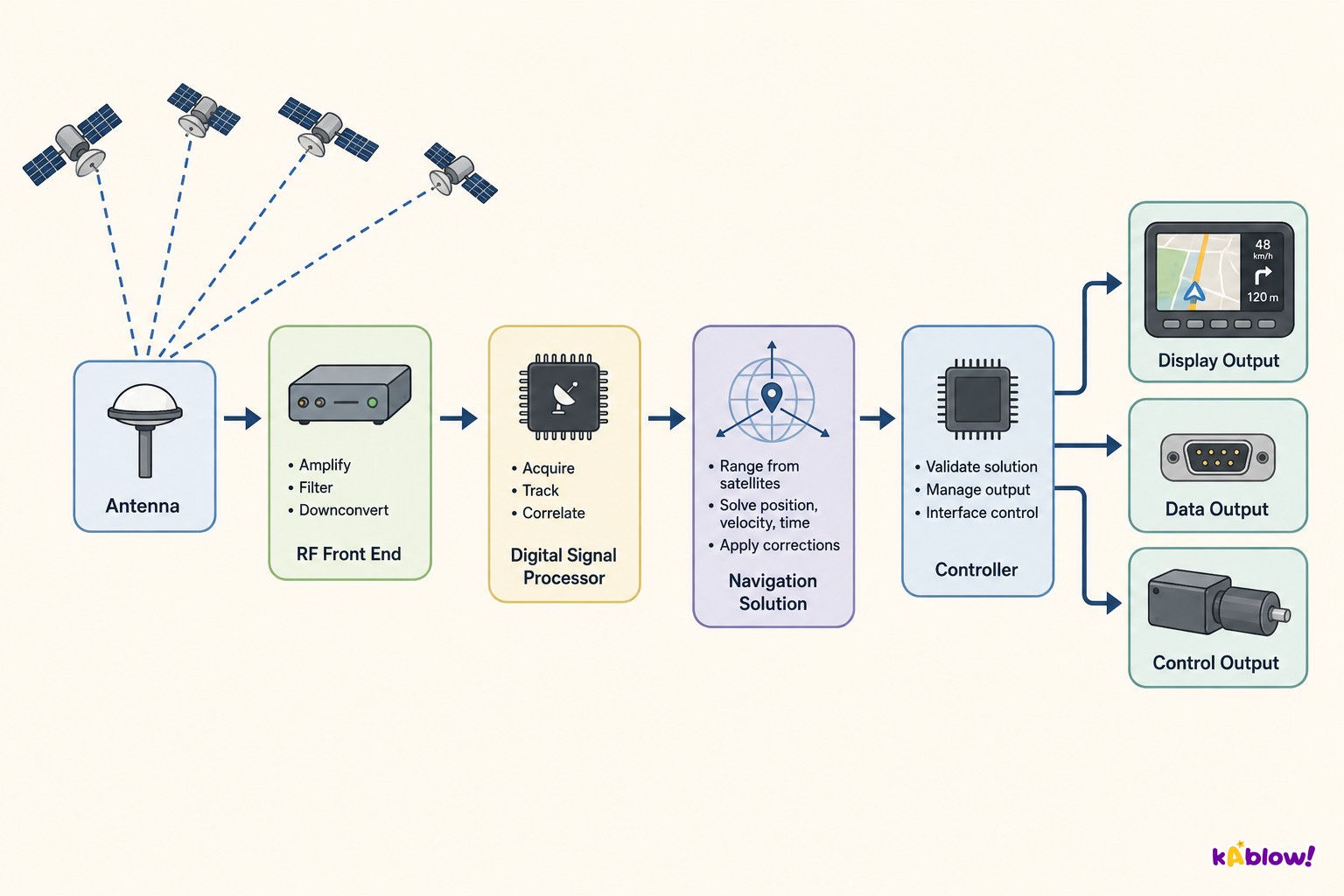
GPS receiver
Role of Robots – Industry
- Quality inspector: uses advanced vision to inspect products for defects, improving quality control.
- Advantage: consistent inspection, reduces human error.
- Disadvantage: may not work on defects requiring human judgement.
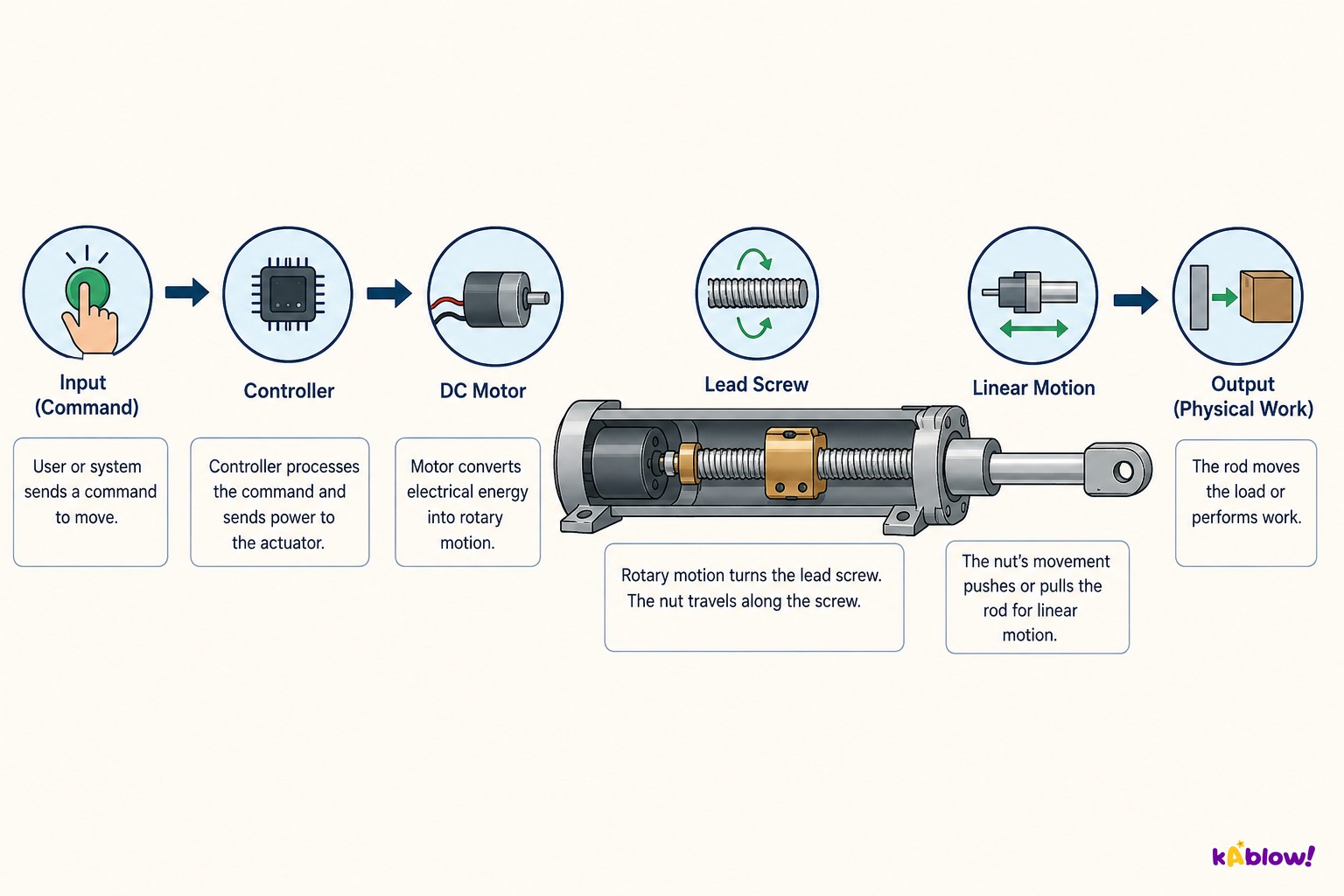
Linear actuator
Role of Robots – Transport
- Warehouse worker: efficiency in finding, moving and packing items; less reliance on manual labour.
- Advantage: increased efficiency and productivity.
- Disadvantage: high infrastructure costs and potential safety concerns for human workers sharing the same space.
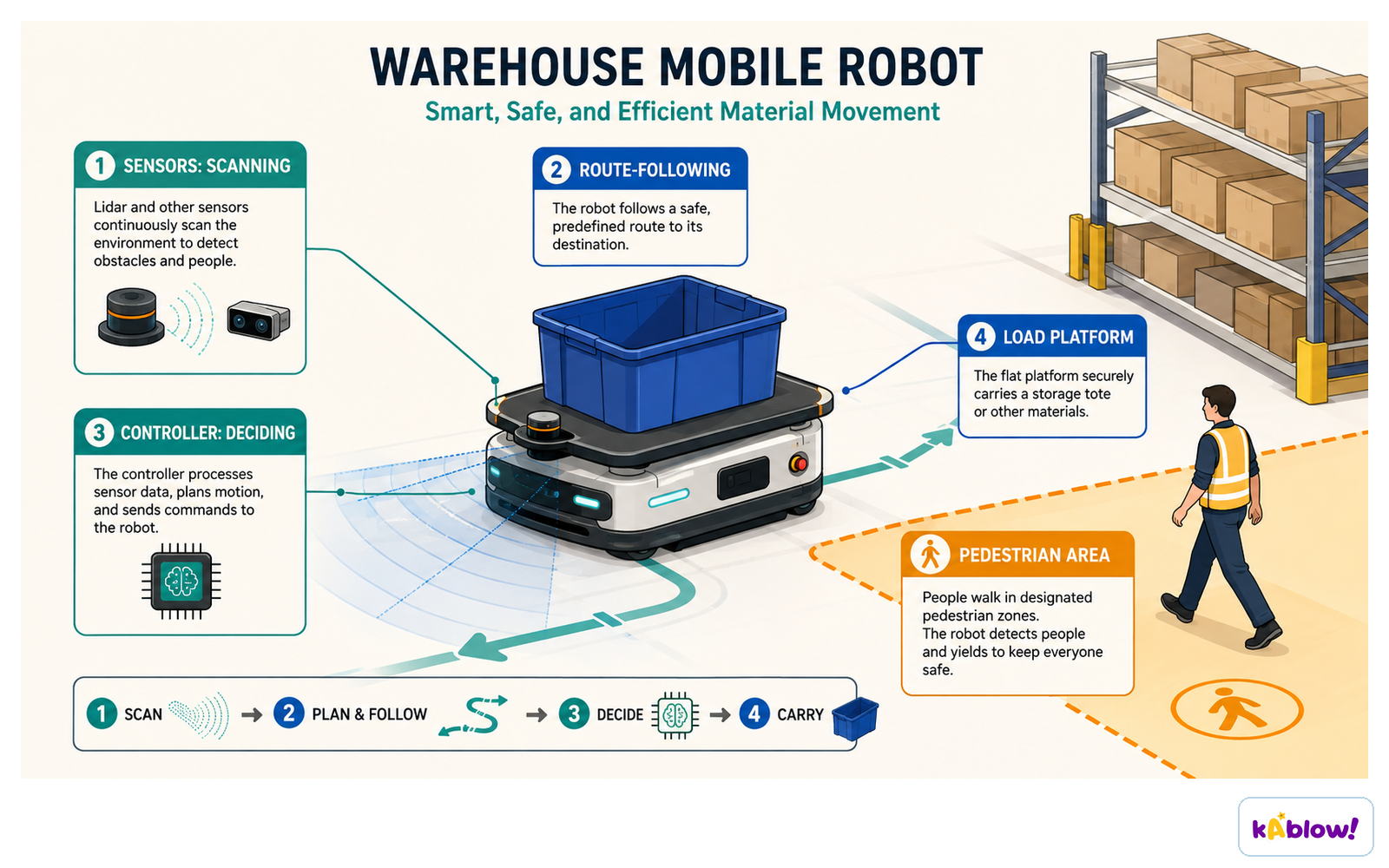
A warehouse mobile robot scans its surroundings, follows a planned route, and carries a load while yielding to people.
Role of Robots – Agriculture
- Planting & seeding machine: precise planting at optimum depths and distances.
- Advantage: improves crop yield and reduces waste.
- Disadvantage: high upfront costs, may struggle with uneven terrain and changing weather conditions.
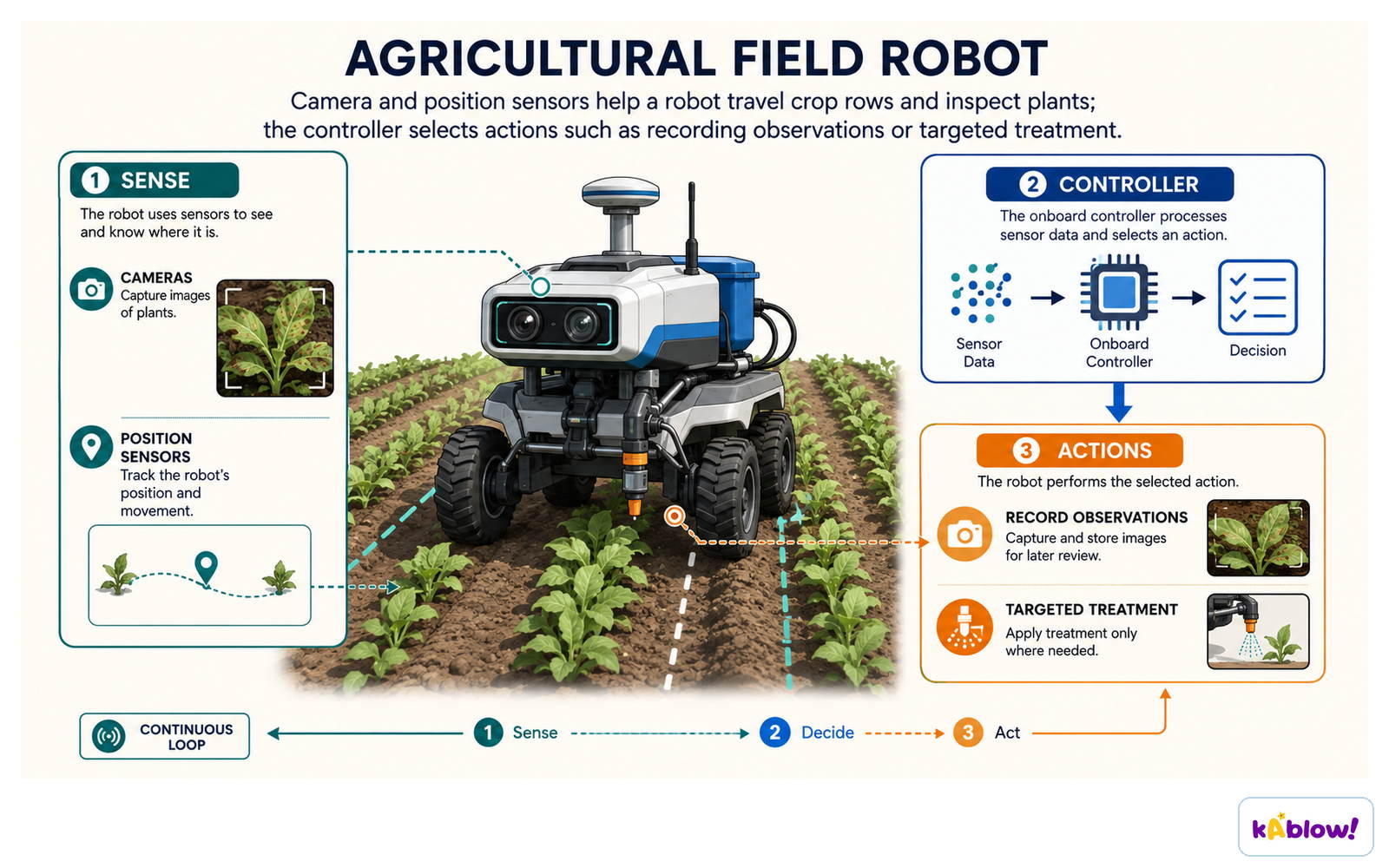
An agricultural field robot uses cameras and position sensors to travel crop rows and treat plants precisely.
Role of Robots – Medicine
- Rehabilitation therapist: provides personalised physical therapy exercises to aid recovery.
- Advantage: consistent, tailored therapy sessions.
- Disadvantage: does not provide emotional support.
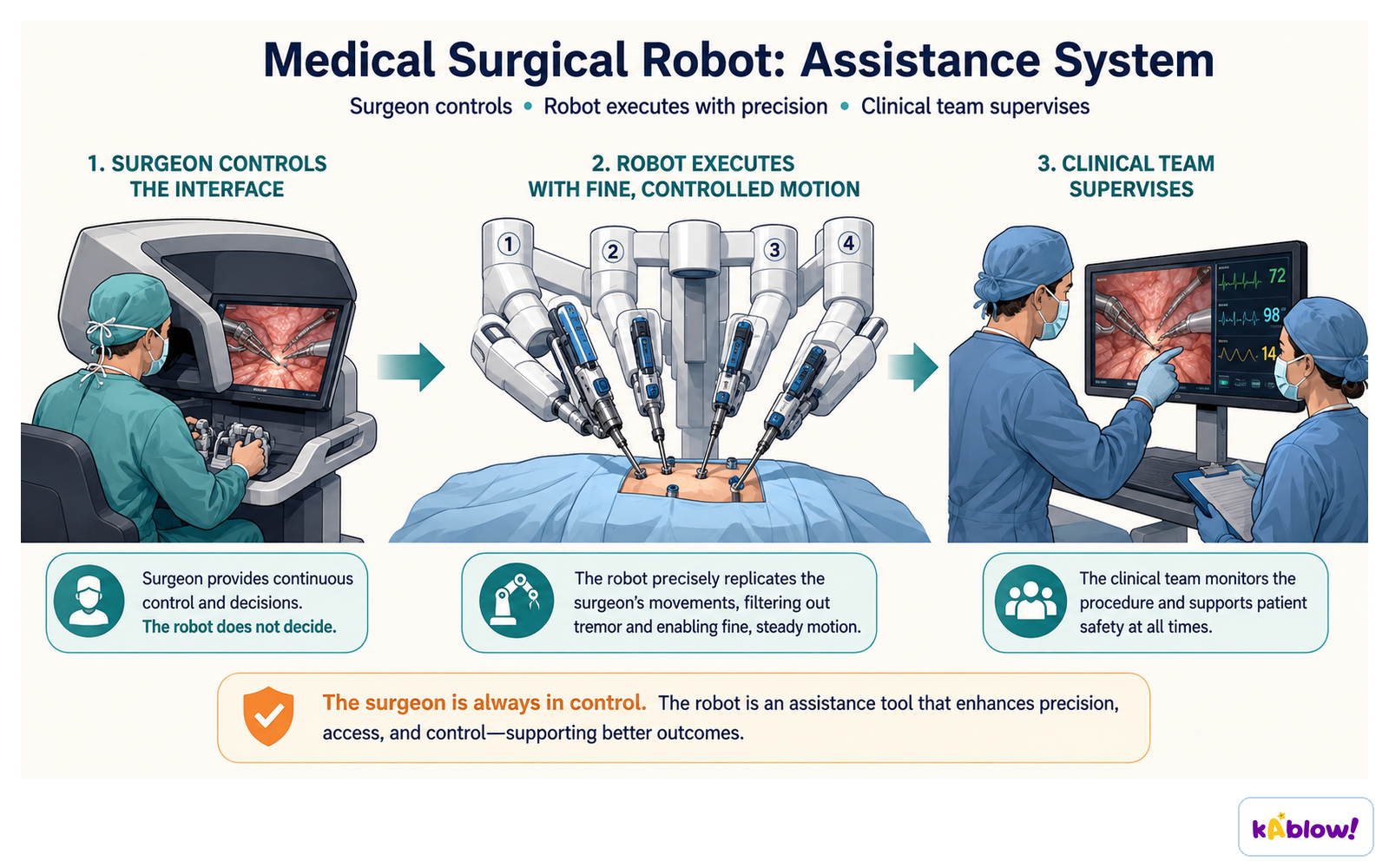
In a surgical robot the surgeon stays in control; the robot reproduces their movements with fine, steady motion.
Role of Robots – Domestic & Entertainment
- Sous chef: assists with meal prep (chopping, measuring, following basic recipes).
- Advantage: saves time and effort in the kitchen.
- Disadvantage: limited ability and capabilities.
- Educational robot: provides interactive learning experiences for children, increasing engagement.
- Advantage: engaging and interactive learning.
- Disadvantage: high cost, cannot replace human teachers.
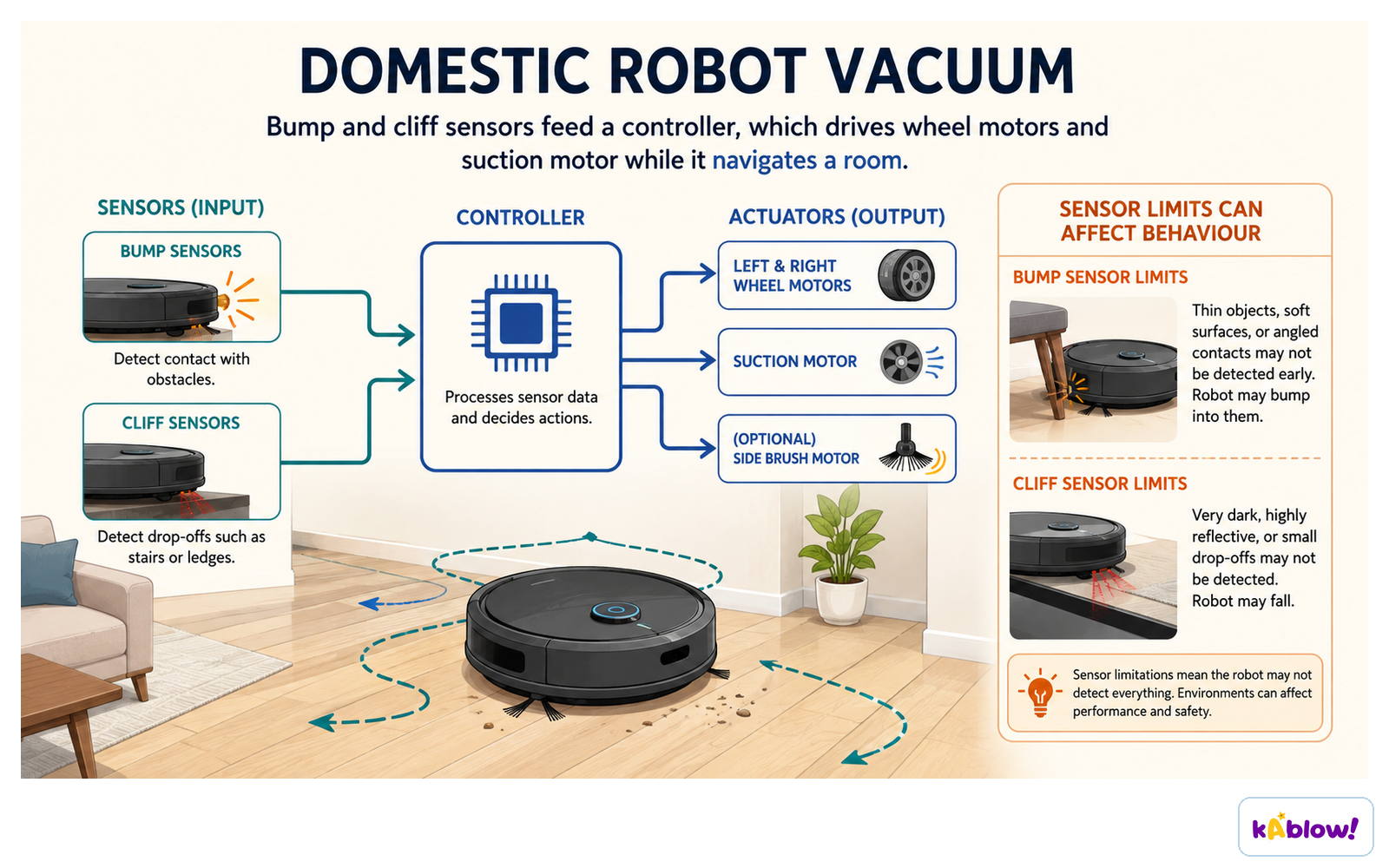
A domestic robot vacuum uses bump and cliff sensors to drive its wheel and suction motors around a room.
Advantages & Disadvantages of Using Robots
- Advantages to employees: no need to lift heavy items, protected from dangerous tasks, can utilise skills in other tasks, no repetitive/mundane tasks.
- Disadvantages to owners: expensive to install/purchase/setup, high ongoing maintenance costs, may deskill workforce, production may stop if malfunction.
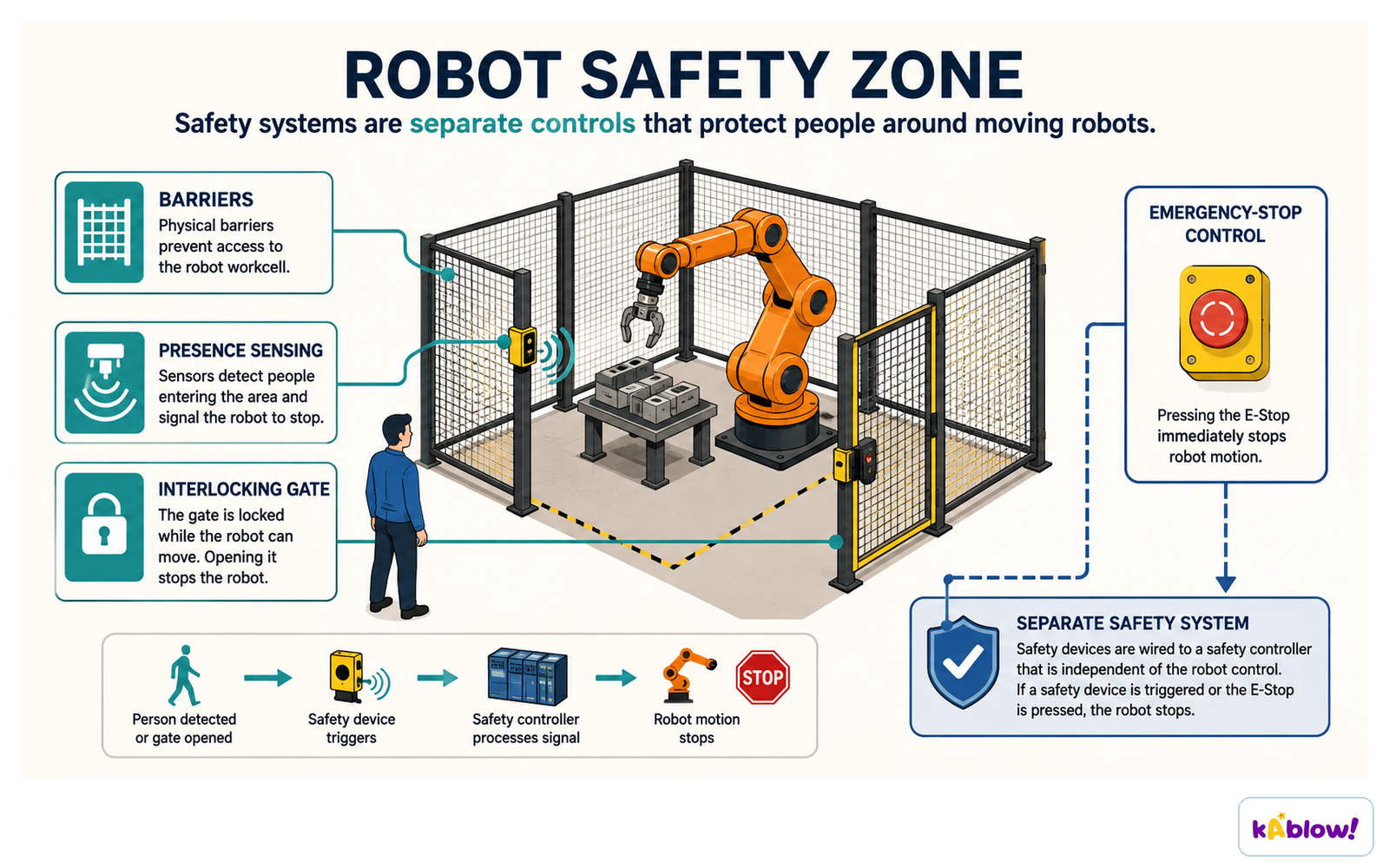
A robot safety zone uses barriers, presence sensing, an interlocking gate and an emergency stop on a separate safety controller.
Slides
Sign up free to view the lesson slides
Step through every slide for this topic — plus flashcards and revision notes — with a free account.
Practice questions
Free preview — 8 of 61 questions. Sign up to see them all.
1.What is robotics?
Easy- AThe principle of a robot carrying out a task by following a precise set of programmed instructions
- BThe study of computer hardware only
- CThe design of artificial intelligence systems
- DThe use of sensors in manufacturing
2.Which of the following is a characteristic of a robot?
Easy- AMechanical structure
- BAbility to think independently
- CEmotional intelligence
- DBiological organs
3.A robot that repeats the same programmed instructions over and over again without adaptation is known as a:
Easy- ADumb robot
- BSmart robot
- CAI robot
- DLearning robot
4.Which of the following is an example of a smart robot?
Easy- AA car assembly line robot
- BA robot assisting in delicate surgical procedures
- CA vending machine
- DA conveyor belt system
5.Which of the following is an advantage of using robots in agriculture for planting and seeding?
Medium- ALow upfront costs
- BPrecise planting at optimum depths and distances
- CAbility to handle uneven terrain easily
- DWorks well in all weather conditions
6.What is a disadvantage of using robots as rehabilitation therapists?
Medium- AThey provide personalised physical therapy exercises
- BThey do not provide emotional support
- CThey are too slow
- DThey require constant human supervision
7.Which of the following is an ethical issue raised by the development of artificial intelligence and robotics?
Medium- AIncreased use of machine learning
- BAlgorithmic bias
- CHigher manufacturing costs
- DReduced need for programming
8.In the context of robotics, what does 'programmable' mean?
Easy- AThe robot can learn from its environment
- BThe robot is designed to follow a precise set of instructions
- CThe robot can make its own decisions
- DThe robot has a physical body
Unlock all 61 questions & more
Create a free account to see every question, the slides, flashcards and revision notes for this topic.