
Analysing language: word choice and imagery
விளையாடிக் கற்றுக்கொள்ளுங்கள்
ஆற்றல் சம்பாதிக்க இந்த கேள்விகளுக்குப் பதிலளியுங்கள், பின்னர் மீன் பிடித்து ஆராயுங்கள். கணக்கு தேவையில்லை.
கல்வியாளர்களுக்கு: Analysing language: word choice and imagery (English Language, Reading)-க்கான தயாரான பாட ஸ்லைடுகள், திருப்புதல் குறிப்புகள் — உங்கள் பாடத்தில் அவற்றைப் பயன்படுத்தவும், அல்லது கற்பவர்கள் நேரலை விளையாட்டாக விளையாடும் ஊடாடும் வகுப்பு செயல்பாடாக தலைப்பை இயக்கவும்.
பாட குறிப்புகள்
Word choice
- Writers choose words for their connotations: the feelings and ideas a word suggests beyond its basic meaning. "Stroll" and "stagger" both mean walk but suggest very different moods.
- A verb such as lurched or crept specifies a kind of movement and may suggest an attitude, feeling or atmosphere. Avoid assuming a character’s emotions without contextual evidence.
- A semantic field groups words associated with a shared area of meaning, such as battle, assault and defences. A pattern may draw attention to conflict; explain how it works in the passage.
Contrasting connotations

Imagery and figurative language
- A simile makes a figurative comparison, often using like or as. A metaphor presents one thing in terms of another and need not contain the verb is; for example, “Her words stabbed at him.”
- Personification gives human qualities to non-human things: "the wind whispered".
- Symbolism uses an object to represent an idea: a caged bird for lost freedom.
- Sensory language appeals to the five senses and makes a scene vivid.
Imagining human qualities in nature

Other devices
- Alliteration repeats initial sounds, onomatopoeia imitates sounds, hyperbole deliberately exaggerates, and an oxymoron places apparently contradictory terms together. Relate any label to its use in context.
Analysing effectively
- Use the structure: point (what the writer does), evidence (a short quotation), analysis (what the word or image suggests and the effect on the reader).
- Zoom in on one or two key words. Do not just name devices: always say what effect they create.
- Reader responses can differ. Explain a plausible effect using the actual wording rather than asserting that all readers must react identically.
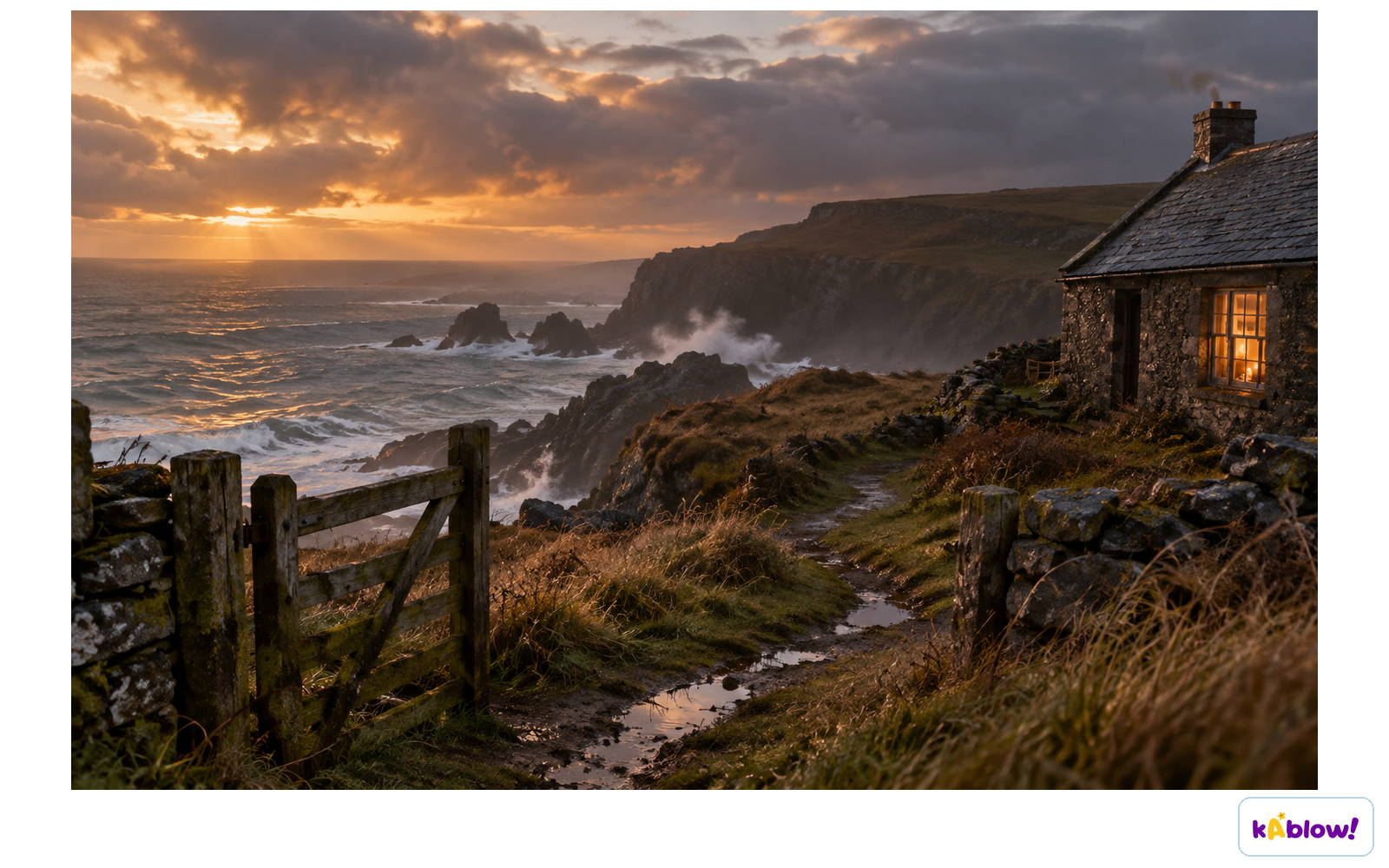
A storm as a language-analysis stimulus
ஸ்லைடுகள்
Sign up free to view the lesson slides
Step through every slide for this topic — plus flashcards and revision notes — with a free account.
பயிற்சி கேள்விகள்
இலவச முன்னோட்டம் — 36-இல் 8 கேள்விகள். அனைத்தையும் பார்க்க பதிவு செய்யவும்.
1.What is a simile?
Easy- Aa comparison using 'like' or 'as'
- Bsaying something is something else
- Cgiving objects human qualities
- Drepeating a sound
2.What is a metaphor?
Easy- Aa comparison using 'like'
- Ban exaggeration
- Ca sound word
- Dsaying one thing is another
3.'The sun smiled down on the children' is an example of:
Easy- Ahyperbole
- Balliteration
- Cpersonification
- Dsimile
4.'Crash! Bang! Wallop!' are examples of:
Easy- Ametaphor
- Bonomatopoeia
- Csimile
- Doxymoron
5.'Peter's pet parrot pecked' is an example of:
Easy- Aalliteration
- Bassonance
- Csimile
- Dmetaphor
6.'I've told you a million times' is:
Easy- Ametaphor
- Bsimile
- Cpersonification
- Dhyperbole
7.'A deafening silence' is an example of:
Easy- Aalliteration
- Bonomatopoeia
- Coxymoron
- Dsimile
8.Which verb best suggests anger? "She ___ out of the room."
Easy- Astrolled
- Bstormed
- Cwandered
- Ddrifted
Unlock all 36 questions & more
இந்த தலைப்பிற்கான ஒவ்வொரு கேள்வியையும், ஸ்லைடுகளையும், ஃப்ளாஷ் கார்டுகளையும் மற்றும் திருப்புதல் குறிப்புகளையும் பார்க்க இலவச கணக்கை உருவாக்கவும்.
முந்தைய தேர்வுகள்
இந்த தலைப்பிற்கான முந்தைய தேர்வு பயிற்சி விரைவில் வருகிறது.
விரைவில் வருகிறது