
Understanding purpose, audience and form in non-fiction
விளையாடிக் கற்றுக்கொள்ளுங்கள்
ஆற்றல் சம்பாதிக்க இந்த கேள்விகளுக்குப் பதிலளியுங்கள், பின்னர் மீன் பிடித்து ஆராயுங்கள். கணக்கு தேவையில்லை.
கல்வியாளர்களுக்கு: Understanding purpose, audience and form in non-fiction (English Language, Reading)-க்கான தயாரான பாட ஸ்லைடுகள், திருப்புதல் குறிப்புகள் — உங்கள் பாடத்தில் அவற்றைப் பயன்படுத்தவும், அல்லது கற்பவர்கள் நேரலை விளையாட்டாக விளையாடும் ஊடாடும் வகுப்பு செயல்பாடாக தலைப்பை இயக்கவும்.
பாட குறிப்புகள்
Purpose, audience and form
- Purpose is why the text was written: to inform, explain, describe, argue, persuade, advise, entertain, or review. Many texts combine purposes.
- Audience is who the text is for: children, teenagers, the public, readers of a particular newspaper or magazine, a government, a company.
- Form is the type of text: a newspaper or magazine article, letter, speech, leaflet, review, blog, travel writing, diary or advertisement.
One campaign, different aims
How writers shape a text
- Choose register and tone for the particular situation: a formal letter to a headteacher usually uses formal language, while a message to friends may be conversational.
- Headings, subheadings, bullet points and images help a leaflet inform; direct address and rhetorical questions help a speech persuade.
- A factual claim is verifiable in principle; an established fact has supporting evidence. Opinions are judgements and may be argued with evidence. Neither a number nor a confident assertion guarantees truth.
Reporting and speaking about an event
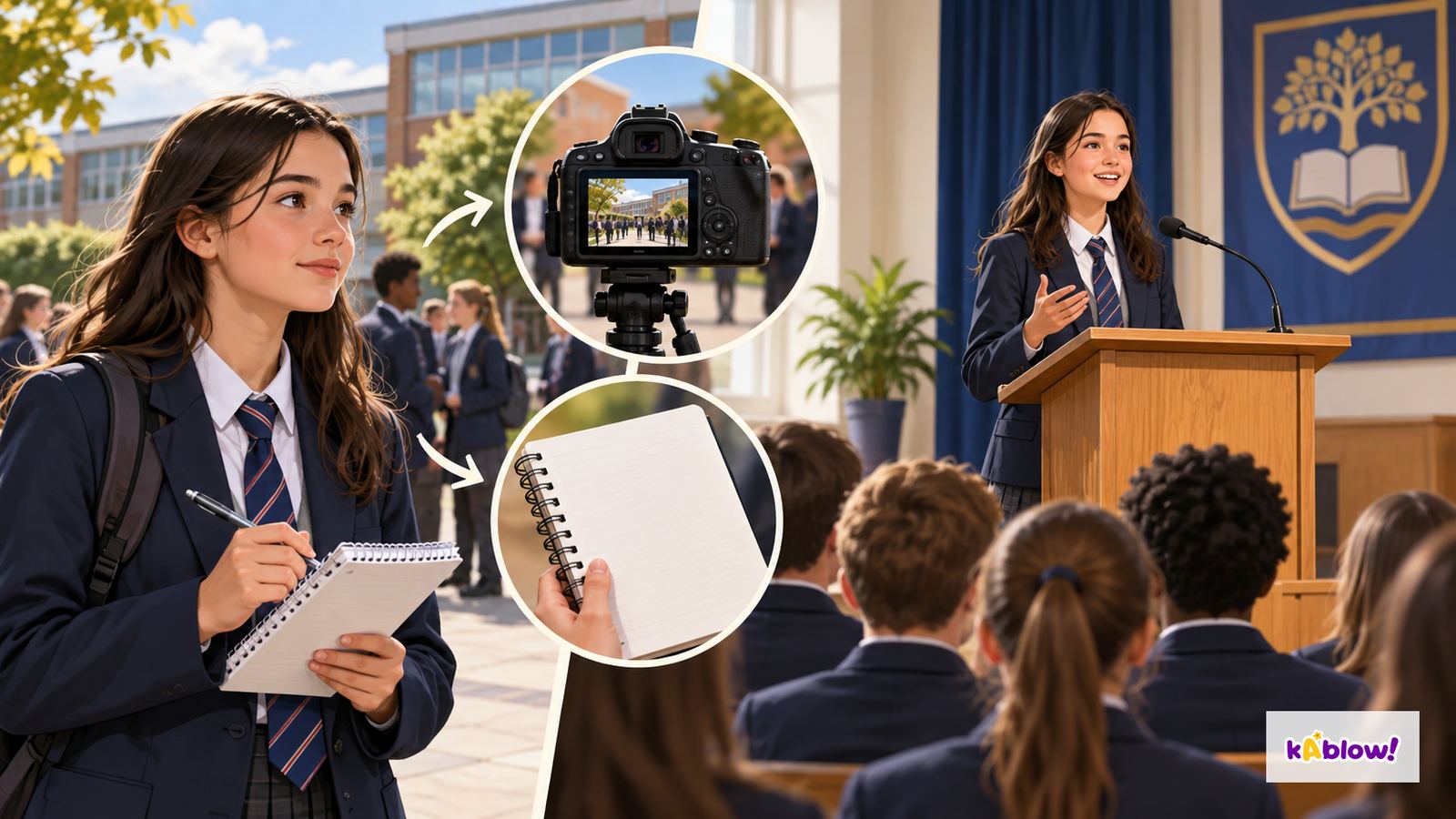
Identifying the writer's viewpoint
- Examine language, selection of evidence, omissions and treatment of other views. Emotional wording may reveal attitude, but calm wording can still conceal bias.
- Ask how fairly the text represents relevant evidence. A text can argue a position responsibly, and giving equal space to unsupported claims does not guarantee balance.
Check the kind of claim
Exam skills
- Say what the purpose is and prove it with evidence.
- Comment on how the form, language and structure suit the audience.
ஸ்லைடுகள்
Sign up free to view the lesson slides
Step through every slide for this topic — plus flashcards and revision notes — with a free account.
பயிற்சி கேள்விகள்
இலவச முன்னோட்டம் — 33-இல் 8 கேள்விகள். அனைத்தையும் பார்க்க பதிவு செய்யவும்.
1.What is the purpose of a text?
Easy- Awhy it was written
- Bwho wrote it
- Cwhere it was printed
- Dits length
2.Who is the audience of a text?
Easy- Athe writer
- Bthe printer
- Cthe publisher
- Dthe people it is written for
3.What is the form of a newspaper report?
Easy- Aa play
- Ba song
- Can article
- Da poem
4.Which is a fact?
Easy- ATowers are boring.
- BThe Eiffel Tower is in Paris.
- CThe Eiffel Tower is beautiful.
- DParis is the best city.
5.Which is an opinion?
Easy- ACats make better pets than dogs.
- BCats are mammals.
- CDogs have four legs.
- DCats purr.
6.What purpose does a persuasive advert have?
Easy- Ato describe a place
- Bto review a book
- Cto record history
- Dto encourage a purchase or another desired action
7.Which features suit a leaflet to inform?
Easy- Aa rhyme scheme
- Ba plot
- Cheadings and bullet points
- Ddialogue and stage directions
8.Which feature can help a speech involve its listeners?
Easy- Afootnotes
- Bdirect address and a lively tone
- Cvery formal legal words
- Dno 'you'
Unlock all 33 questions & more
இந்த தலைப்பிற்கான ஒவ்வொரு கேள்வியையும், ஸ்லைடுகளையும், ஃப்ளாஷ் கார்டுகளையும் மற்றும் திருப்புதல் குறிப்புகளையும் பார்க்க இலவச கணக்கை உருவாக்கவும்.
முந்தைய தேர்வுகள்
இந்த தலைப்பிற்கான முந்தைய தேர்வு பயிற்சி விரைவில் வருகிறது.
விரைவில் வருகிறது