
Reading 19th-century texts
Học bằng cách chơi
Trả lời những câu hỏi này để kiếm năng lượng, rồi câu cá và khám phá. Không cần tài khoản.
Dành cho nhà giáo dục: slide bài học, ghi chú ôn tập sẵn dùng cho Reading 19th-century texts (English Language, Reading) — dùng trong bài giảng của bạn, hoặc chạy chủ đề như một hoạt động lớp học tương tác để người học chơi như một trò chơi trực tiếp.
Ghi chú bài học
Why 19th-century texts feel different
- Nineteenth-century writing covers many forms and audiences. Some passages use vocabulary or syntax that feels unfamiliar today; others are direct, conversational or humorous.
- Social circumstances and conventions can differ from the present. Writers within a period can disagree, and may criticise the assumptions around them.
- Read for the gist first, then use context and any glossary to clarify details.
Translate without changing meaning
Reading strategies
- For a complex sentence, find its main clause and then work out how the other clauses and inserted phrases relate to it. This strategy helps with older and modern texts.
- Use the glossary and context: guess a word from the words around it. "The poor lad was greatly afflicted by hunger" tells you afflicted means troubled.
- Identify purpose and attitude from the actual language and structure. Formality is register; a formal passage may convey sympathy, anger, humour or another tone.
- Archaic expressions include “whence” (from where), “thither” (to that place), “ere” (before) and “ye” (you). They can appear in later literary writing and are not exclusive markers of one century.
Unpack the sentence
Writing about 19th-century texts
- Compare the writer's attitude with modern views if the question asks.
- Treat the text as a real piece of persuasion or description: comment on language and structure just as for modern texts.
- Context can help explain a viewpoint, but class, gender or date do not guarantee a particular belief. Support your interpretation with the text and avoid invented biography.
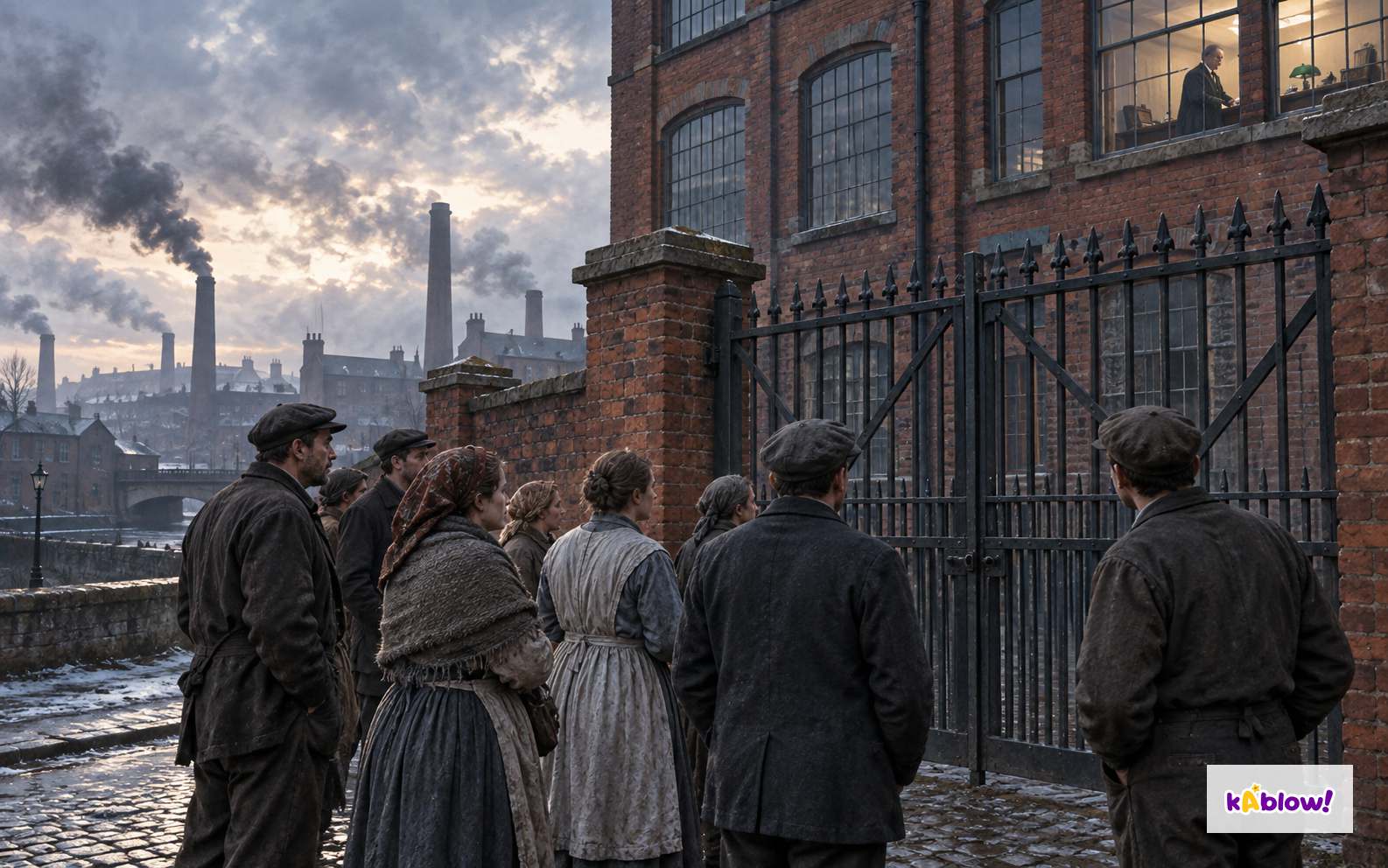
An imagined industrial setting
Slide
Sign up free to view the lesson slides
Step through every slide for this topic — plus flashcards and revision notes — with a free account.
Câu hỏi luyện tập
Xem trước miễn phí — 8 trên 33 câu hỏi. Đăng ký để xem tất cả.
1.What does 'archaic' mean?
Easy- Aold-fashioned
- Bmodern
- Crude
- Dshort
2.What does 'ere' mean in old texts?
Easy- Aafter
- Bhere
- Cthere
- Dbefore
3.What does 'thither' mean?
Easy- Ahere
- Bto this
- Cto that place
- Dfrom there
4.Which sentence uses the most elaborate syntax and formal vocabulary?
Easy- ACold.
- BIt was an exceedingly cold morning, and the streets, being narrow and ill-lit, were deserted.
- CIt was cold and quiet.
- DMornings are cold.
5.What should you do first with a long, complex sentence?
Easy- Afind the subject and the main verb
- Bskip it
- Cread only the last word
- Dcount the commas
6.How can you work out an unfamiliar word?
Easy- Aignore it
- Bguess randomly
- Cwrite a different word
- Duse the context
7.Why might attitudes in a 19th-century text seem unfamiliar?
Easy- Amodern readers are foolish
- Bthey are all the same
- Csocial attitudes have changed
- Dthe writer was careless
8.What is the 'gist' of a text?
Easy- Athe length
- Bthe general meaning
- Ceach word
- Dthe spelling
Unlock all 33 questions & more
Tạo tài khoản miễn phí để xem mọi câu hỏi, slide, thẻ ghi nhớ và ghi chú ôn tập cho chủ đề này.
Đề thi cũ
Luyện đề thi cũ cho chủ đề này sắp ra mắt.
Sắp ra mắt