Great Expectations: themes, language and structure
邊玩邊學
回答這些題目賺取能量,接著就能釣魚、探索。不需要帳號。
給教育者: 為 Great Expectations: themes, language and structure(English Literature、19th-Century Novel)準備好可直接使用的課程投影片, 複習筆記——用於你的課程,或把這個主題當成互動班級活動,讓學習者以即時遊戲的方式進行。
Pip’s desire for gentlemanly status produces shame about Joe. The reversal of Magwitch and Joe against Pip’s assumptions supports a reading that conduct matters more than inherited rank or money.
Guilt and conscience: Pip feels guilty from the start, stealing food for the convict; his guilt grows as he betrays Joe.
Loyalty and gratitude: Joe and Magwitch show loyalty; Pip is ungrateful until he learns better.
Love and rejection: Pip's love for Estella is unrequited ("I loved her against reason, against promise, against peace, against hope, against happiness").
Crime and justice: the convict-gentleman reversal exposes the system's injustices.
Status and conduct can diverge
Language and imagery
The older Pip narrates earlier experiences, sometimes exposing the younger self’s errors. Distinguish his retrospective interpretation from what he knew at the time.
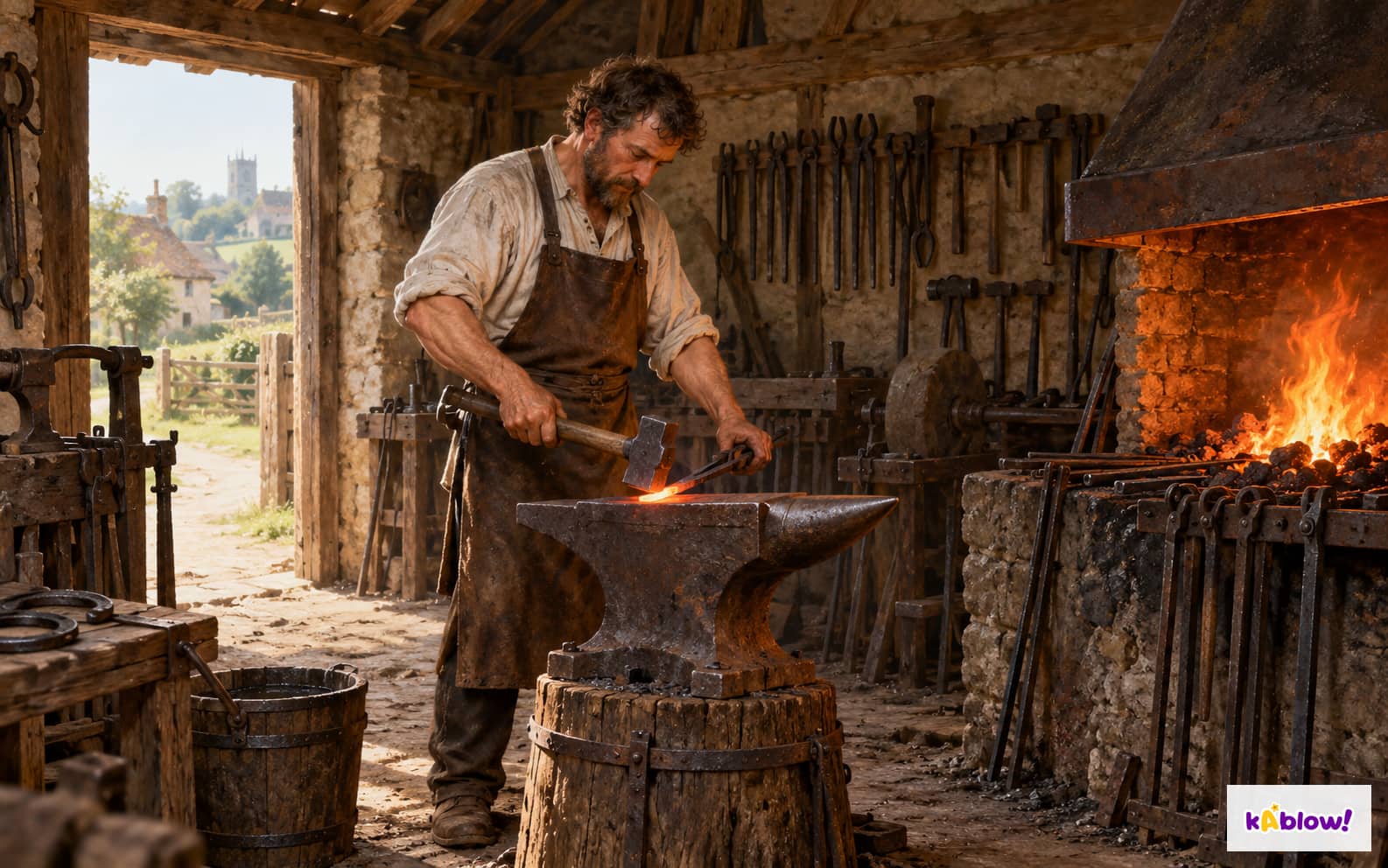
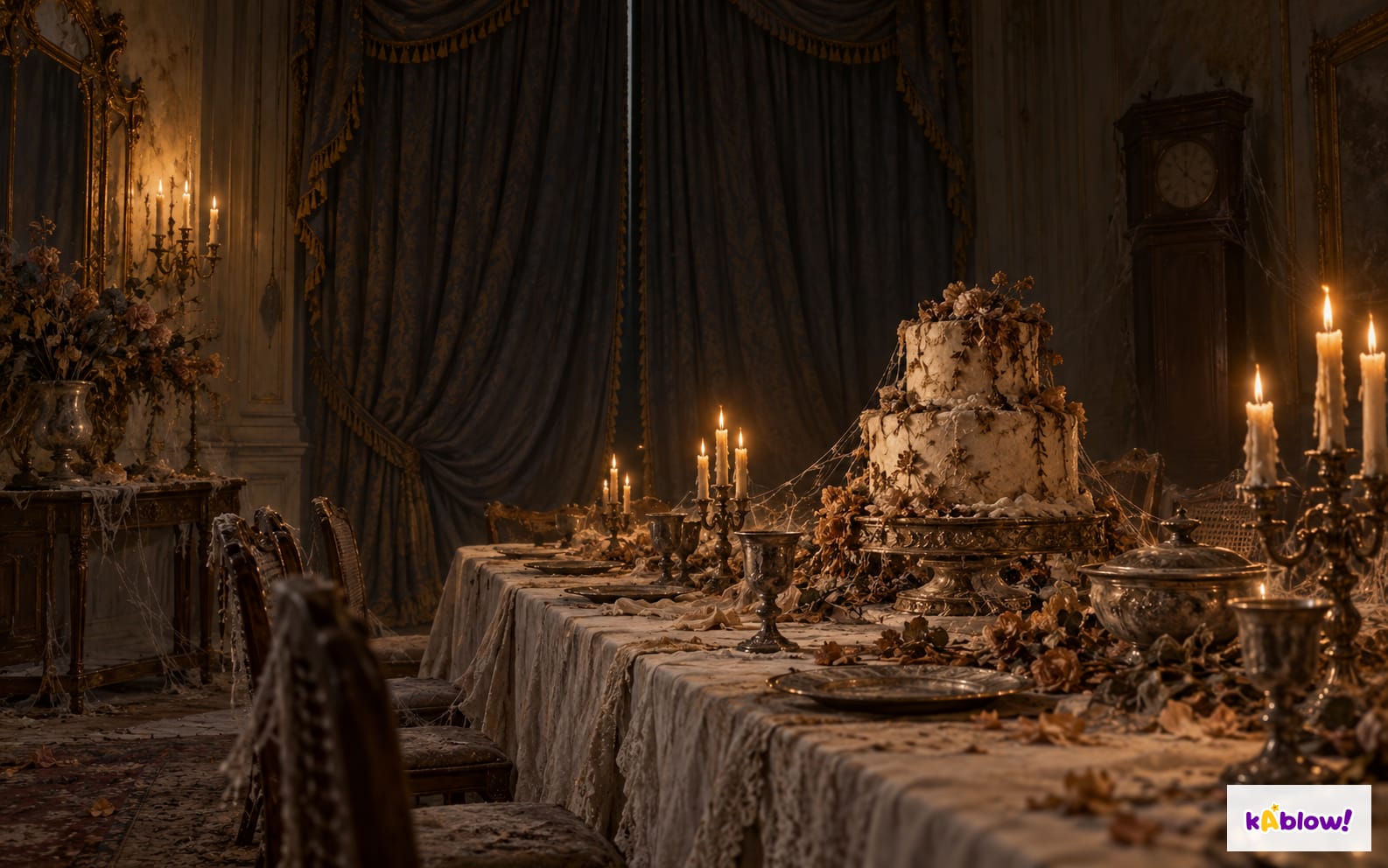
Marshes, forge, Satis House, clocks, chains and fire recur with changing associations. Develop each from a particular passage rather than assigning a permanent one-word meaning.
Pip’s “looked like the Witch” is a simile shaping a Gothic impression. Comic exaggeration and caricature can satirise figures such as Pumblechook; assess the speaker and context rather than assuming a neutral portrait.
Decay seen through Pip’s narration
Structure
A Bildungsroman in three broad stages, first published weekly. Suspense and delayed revelations shape the expectations. The return to earlier settings can be read as circular development. Dickens revised his original ending after advice; the published version’s final possibility for Pip and Estella remains debated, not an explicit wedding.
Expectation meets new knowledge
投影片
Sign up free to view the lesson slides
Step through every slide for this topic — plus flashcards and revision notes — with a free account.