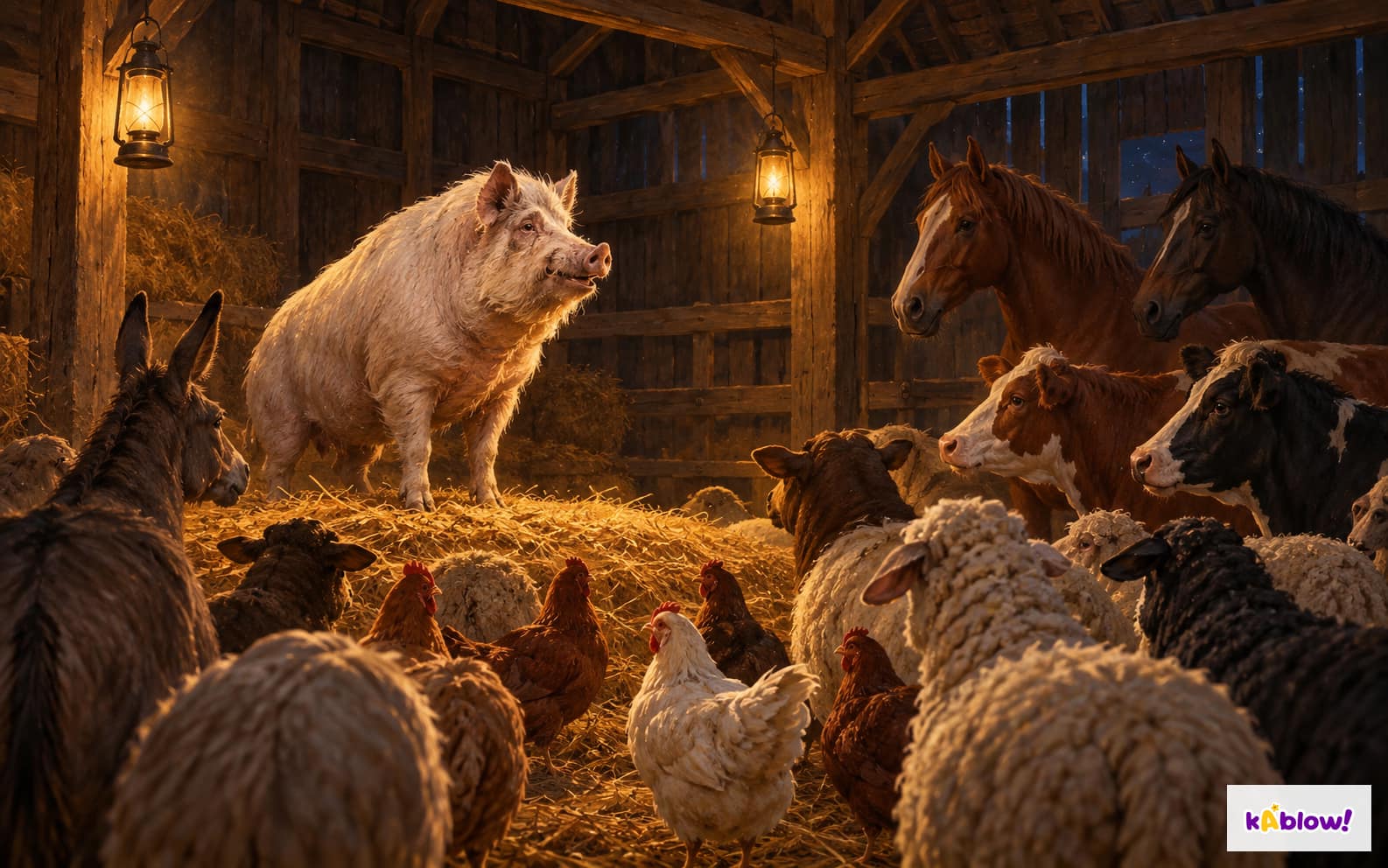
Power and corruption: the pigs accumulate privileges and use force to protect them. Explain the developing practices rather than presenting a familiar maxim about power as a quotation from the novella.
Propaganda and language: Squealer twists language to justify changes ("Comrades, you do not imagine, I hope, that we pigs are doing this in a spirit of selfishness and privilege?"). The sheep's chants drown out debate.
Equality and hypocrisy: the Seven Commandments are altered until "All animals are equal, but some animals are more equal than others".
Education and evidence: different animals have different reading abilities. This unequal access can enable deception; it is not a claim that real workers are naturally incapable of learning. Benjamin’s late warning about Boxer shows knowledge without timely collective resistance.
Leadership and class: Boxer's loyalty and exploitation reflect the working class.
Who receives the benefits?
Language and form
Fable and allegory: animals represent people; a satire that mocks political corruption. Simple prose and irony: "Four legs good, two legs bad" becomes "two legs better".
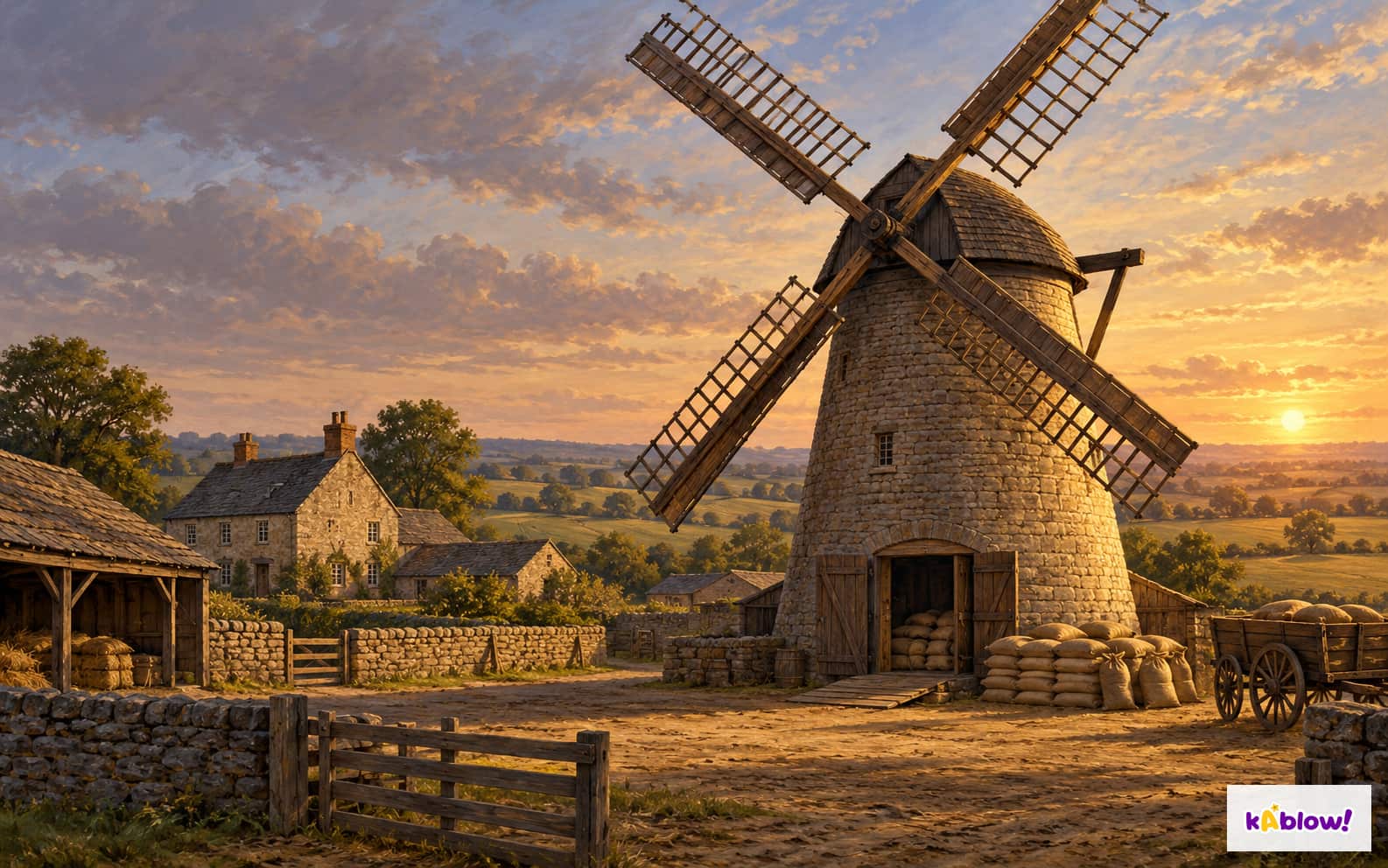
Slogans and repetition can suppress debate; direct speech exposes self-serving justifications. The barn wall relates rules to authority and memory. The windmill moves through hope, coerced effort, destruction and profitable use, so its meaning depends on the scene.
A claim is not its justification
Structure
A broadly chronological ten-chapter narrative uses foreshadowing and gaps between reader and animal understanding. The final resemblance of pigs to human masters can create a cyclical pattern of oppression. A response may discuss bleak irony, anger or dark comedy with evidence rather than asserting every reader feels the same.
Early ideals and later betrayal
投影片
Sign up free to view the lesson slides
Step through every slide for this topic — plus flashcards and revision notes — with a free account.