
Weimar and Nazi Germany: the Nazi dictatorship 1933-39
邊玩邊學
回答這些題目賺取能量,接著就能釣魚、探索。不需要帳號。
給教育者: 為 Weimar and Nazi Germany: the Nazi dictatorship 1933-39(History、Period Study)準備好可直接使用的課程投影片, 複習筆記——用於你的課程,或把這個主題當成互動班級活動,讓學習者以即時遊戲的方式進行。
課程筆記
Consolidating power
- After the Reichstag Fire on 27 February 1933, Hindenburg signed the emergency decree of 28 February, suspending important rights. Van der Lubbe was convicted, but that does not establish the regime’s allegation of a wider Communist conspiracy. The decree facilitated detention and suppression of political opponents.
- The Enabling Act passed on 23 March and took effect on 24 March 1933. It gave the cabinet broad lawmaking powers, initially for four years, including constitutional departures. Communist deputies were excluded and 94 Social Democrats voted against amid intimidation. Independent unions were suppressed in May, and a July law entrenched the one-party state. Formal statutes operated alongside violence; dictatorship was neither freely authorised nor unchallenged.
- The purge of 30 June–2 July 1934 murdered SA leaders and other opponents. The claim of an imminent SA coup was a justification advanced by the regime, not an established defence of murder. After Hindenburg’s death on 2 August, Hitler combined presidential and chancellorial authority; the armed forces swore personal loyalty to him. A later plebiscite did not restore free choice.
Consolidation combined powers and coercion
The police state
- The SS under Himmler gained extensive security and camp responsibilities, overlapping with police institutions. Dachau opened in March 1933 as an early concentration camp, initially holding political opponents. Detention and brutality outside normal legal safeguards were central to repression. Concentration camps should not all be described as the later purpose-built killing centres.
- The Gestapo combined investigation and surveillance with tips from the public and other organisations. Denunciations could arise from ideology, disputes or self-interest. Its arbitrary powers and violent interrogation fostered fear without requiring an officer to watch every citizen.
- Many judges and legal officials collaborated with the regime as judicial independence eroded. Special courts operated from 1933; the People’s Court was established in 1934 to try treason and related political cases. Institutions differed, but together helped suppress opponents rather than protect equal rights.
Institutions had different, overlapping roles
Controlling minds
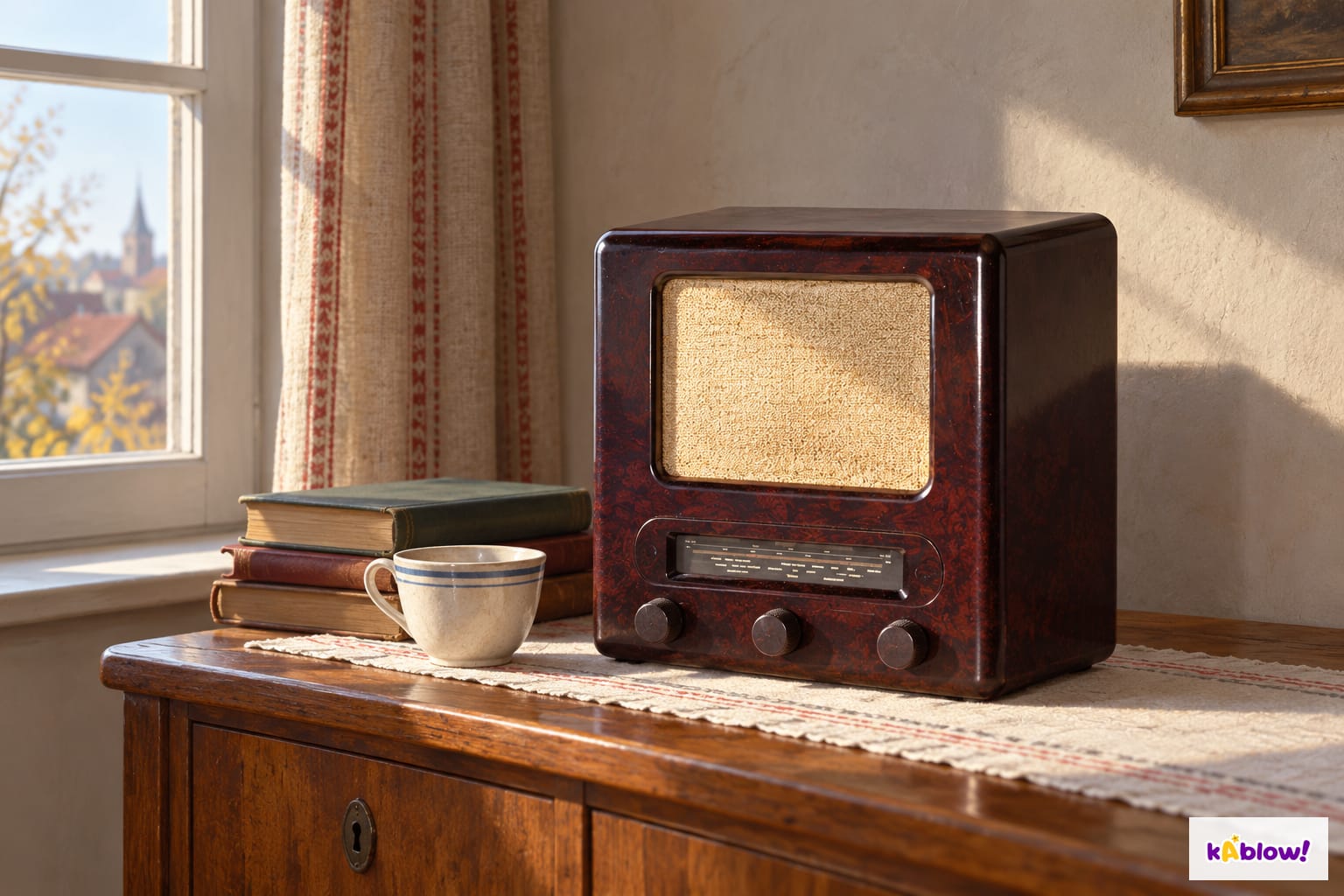
- Goebbels’s ministry, established in March 1933, coordinated propaganda and censorship across media and culture. Radio receivers promoted from 1933 widened access to entertainment and political broadcasting, but were not free or universally owned. Claims that a Volksempfänger could physically receive only Nazi stations are misleading. Availability, listening and persuasion are separate questions.
- Students initiated major book burnings in May 1933 with Nazi support, targeting works labelled un-German, including Jewish and left-wing writing. Rallies projected discipline and unity. The 1936 Berlin Summer Olympics promoted a favourable image while masking persecution; boycott debates show that international responses were not uniform. Propaganda reveals intended messages, not automatic evidence of what everyone believed.
- The July 1933 Concordat was an agreement between Germany and the Holy See promising Catholic protections; the regime violated those commitments. Protestant German Christians supported Nazification and attempted unification under pro-Nazi leadership. The Confessing Church resisted state interference, but contained varied attitudes rather than representing all Protestants or a unified democratic resistance.
Broadcasting could entertain and influence
Opposition
- Political opponents, including Communist and Social Democratic networks and trade unionists, attempted resistance despite arrests and destroyed organisations. Religious, personal and youth opposition differed in methods and aims. Fear, organisational losses, divisions, support for aspects of the regime and opportunism all affected the extent of opposition.
- Niemöller became a prominent church opponent and was arrested in 1937. His earlier nationalism, initial welcome for Nazi rule and prejudices complicate a simple lifelong anti-Nazi portrayal. Defending a church’s independence did not automatically involve defending all persecuted groups.
- Nonconforming youth groups were present by the mid-1930s. Swing groups emerged late in the decade and many well-known Edelweiss and Swing resistance examples belong to wartime. Date particular actions instead of importing all later resistance into 1933–39. Rejecting compulsory youth culture could differ from an organised political programme.
Opposition requires specific evidence
投影片
練習題
免費預覽——33 題中的 8 題。註冊即可查看全部。
1.When was the Reichstag Fire?
Easy- AFebruary 1933
- B1923
- C1939
- D1914
2.Who was convicted and executed for setting the Reichstag Fire?
Easy- AHitler
- BGoering
- CRöhm
- DMarinus van der Lubbe, a Dutchman with communist sympathies
3.What was the SS?
Easy- Athe independent Social Democratic trade-union federation
- Bthe elected national parliament
- Ca Nazi organisation under Himmler with expanding security and camp roles
- Dthe regular army under its existing command
4.What was Dachau?
Easy- Aa party
- Ban early concentration camp
- Ca school
- Da court
5.What was the Gestapo?
Easy- Athe secret state police
- Bthe army
- Cthe SA
- Da court
6.What happened on the Night of the Long Knives?
Easy- Athe Reichstag burned
- BHitler won an election
- CHindenburg died
- DSA leaders including Röhm were murdered
7.Why did Hitler remove the SA leadership?
Easy- Athey were communists
- Bthey were Jews
- Cto remove rivals and reassure army leaders concerned about the SA
- Dthey were weak
8.What did Hitler become after Hindenburg's death?
Easy- APrime Minister only
- BFührer
- CKing
- DKaiser
歷屆試題
這個主題的歷屆試題練習即將推出。
即將推出