
Crime and punishment in modern Britain c1900-present
खेलकर सीखें
इन सवालों के जवाब देकर एनर्जी कमाएं, फिर मछली पकड़ें और घूमें। कोई अकाउंट नहीं चाहिए।
लेसन नोट्स
Changing crimes
- Motoring and digital systems changed opportunities and offences, while fraud, terrorism and hostility had older histories. Legal definitions, reporting, recording and enforcement also changed. Do not describe every modern crime as behaviour invented after 1900.
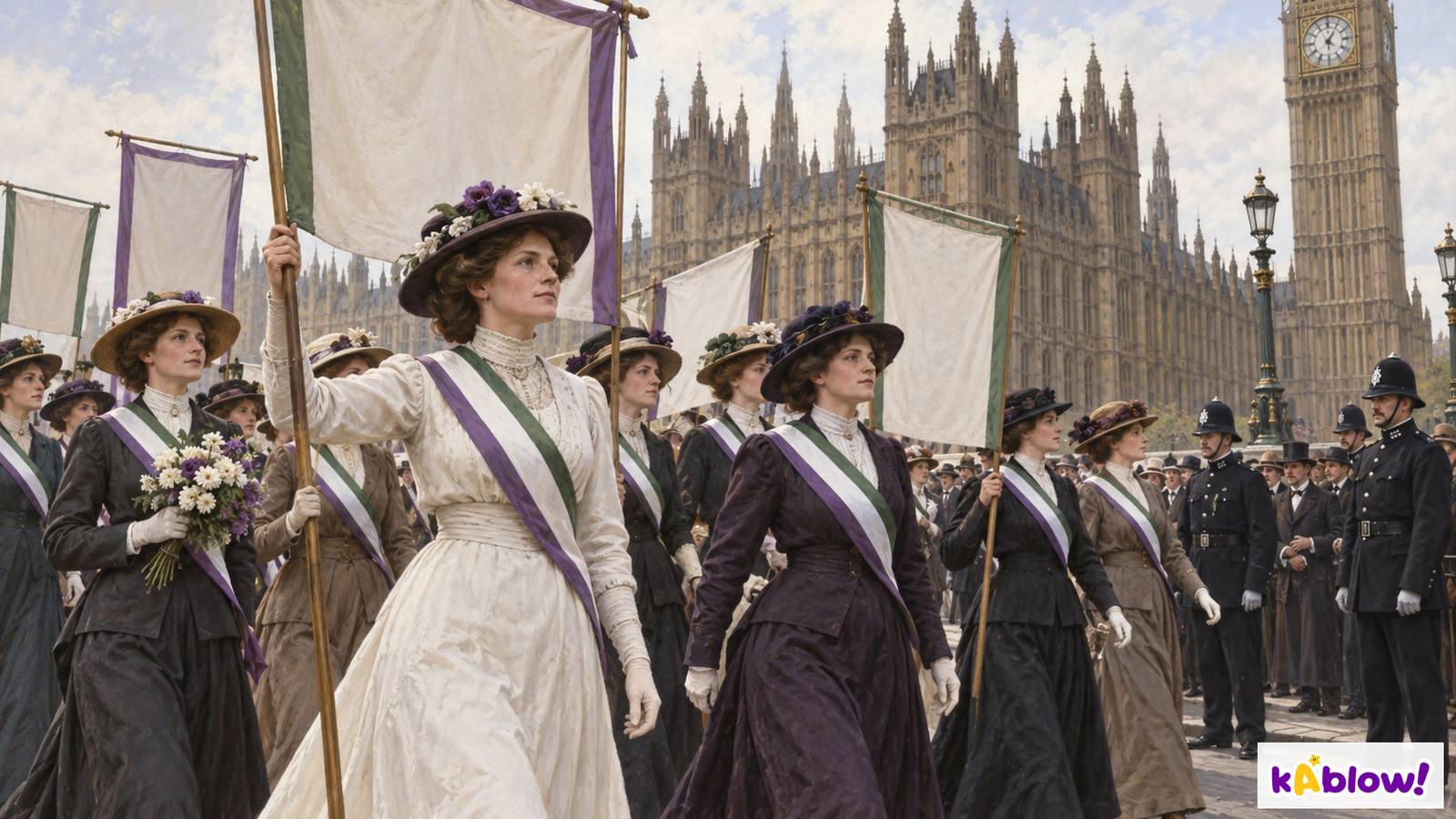
- Militant suffragettes campaigned for votes for women using varying methods, while other suffrage campaigners pursued different tactics. Davison was injured at the Derby in 1913 and died on 8 June, not instantly on the track. Her intentions remain debated. The 1913 Cat and Mouse law allowed temporary discharge for ill health and later recall, becoming associated with hunger-striking prisoners.
- Hate-crime law and monitoring developed ways to recognise hostility connected with protected characteristics. In England and Wales, hostility may motivate an offence or be demonstrated in connection with it. Crimes such as assault or theft can overlap this category. Scotland and other jurisdictions use different legal frameworks; the broad historical term is not a substitute for a particular statute.
Protest, policing and political rights
Changing punishments
- Evans and Bentley became important to debates about miscarriages and irreversible punishment. Ellis’s execution in 1955 raised different issues about circumstances and proportionality; do not classify every controversial case as a subsequently overturned conviction. Campaigning, deterrence arguments, political leadership and votes mattered alongside changing attitudes.
- The 1965 Act suspended the death penalty for murder in Great Britain and Parliament made that permanent in 1969. Northern Ireland followed a separate murder-abolition timetable in 1973, while remaining capital offences were removed in 1998. Last executions, murder abolition and total legal abolition are different milestones.
- Surveys around abolition often showed more support for hanging than the parliamentary decision suggests. Opinion was divided and changed over time; abolition cannot be explained as an automatic response to unanimous public demand. Political action and campaigning sometimes led rather than simply followed opinion.
- The 1948 Criminal Justice Act ended judicial corporal punishment in England and Wales, not every form of corporal punishment in all settings. Prison disciplinary corporal punishment continued until later abolition in 1967. Avoid moving the dates for schools, prisons and court sentences into one universal event.
Dates for ending the death penalty
Changes in policing
- The Met’s Fingerprint Bureau began in 1901, a milestone rather than the first discovery of fingerprints. Emergency telephony began with London’s 999 service in 1937 and expanded. Cars, radios, CCTV, databases and later digital tools affected different functions and required staff, resources and safeguards. In England and Wales, the Police and Criminal Evidence Act 1984 and its codes established a framework for powers and public rights.
- Jeffreys discovered DNA fingerprinting at Leicester in 1984. An immigration application followed in 1985 and a criminal investigation in 1986. In the Leicestershire case, DNA excluded an initial suspect and helped identify Pitchfork, arrested in 1987 and convicted in 1988. These stages must not be compressed into one first-use date.
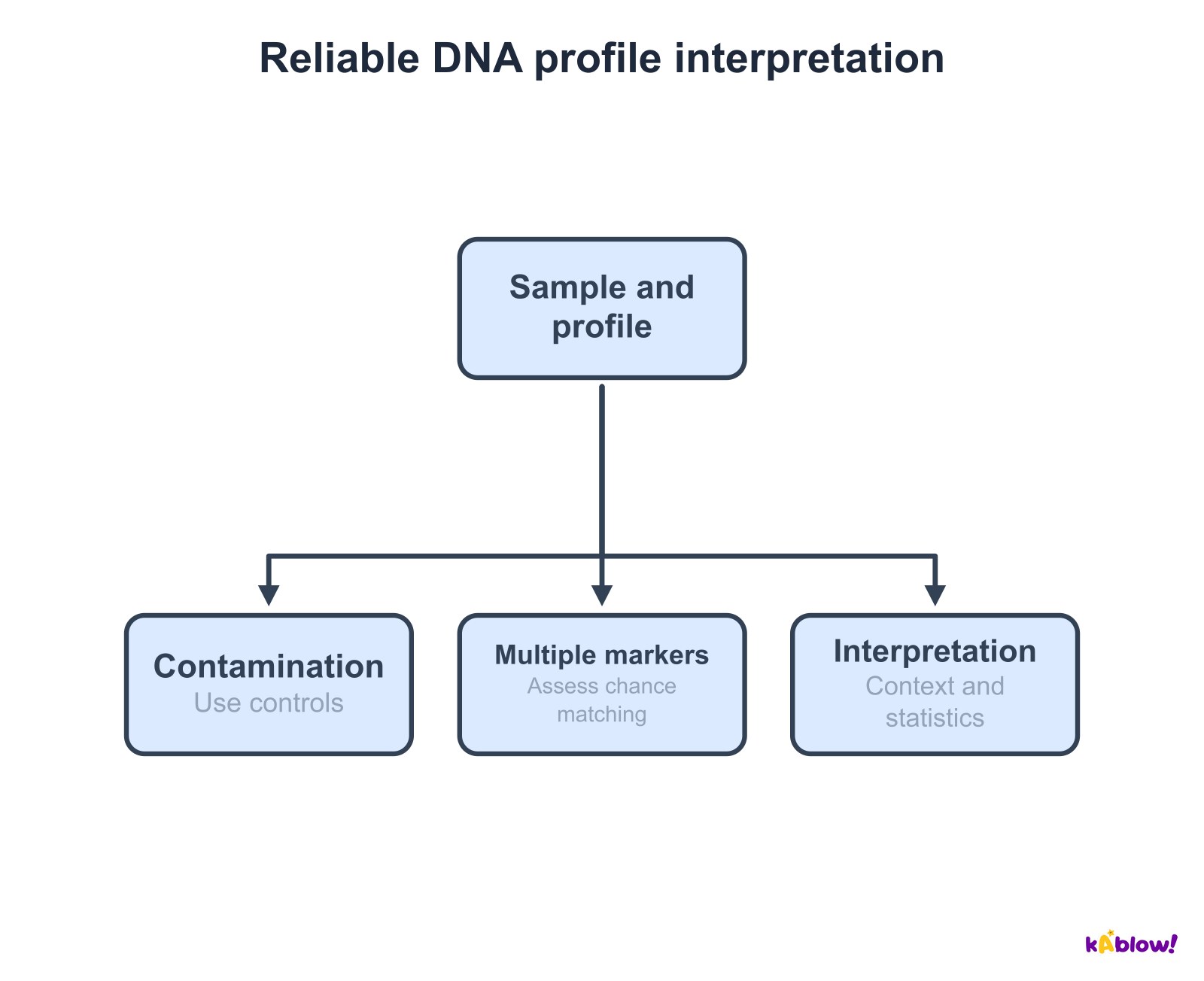
- Biological evidence requires careful collection, controls, statistics and interpretation. It can exclude as well as associate a person with a sample. A match does not establish every circumstance of an offence, and contamination, transfer or mixed profiles can complicate interpretation.
- The Lawrence inquiry reported in 1999 after Stephen Lawrence’s racist murder in 1993. It identified institutional racism, investigative failures and leadership problems. Institutional racism concerns practices and culture as well as individual prejudice. Recommendations and later reforms should not be treated as proof that all inequalities disappeared.
Forensic evidence needs quality and context
Explaining change
- Government, campaigning, media, technology, war, resources and public attitudes affected changes. Distinguish intentions, statutory authority, implementation and measured outcomes. Police-community cooperation is an aim and method rather than automatic evidence of universal trust or crime reduction.
- PCSOs were introduced under the 2002 England-and-Wales framework to support local policing with designated powers. They are not judges or substitutes for every police function. Neighbourhood Watch involves residents in prevention and communication rather than replacing formal investigation.
Policing developed in stages
Community measures, institutions and orders
- Probation’s 1907 statute followed earlier work. Borstal experiments included an establishment in 1902, before the 1908 statutory system. Historical institutions should not be presented as unchanged current arrangements. Community service was authorised in 1972, with pilots from 1973 and phased expansion.
- ASBOs under the 1998 law became available in April 1999 in England and Wales. They were preventive orders, with consequences for breach; later forms could follow conviction. The 2014 framework replaced them there. Scotland retains separate ASBO arrangements, so a present-tense claim about all Britain would mislead.
- Community sentences can combine punishment, supervision and rehabilitation. Civil prevention, criminal sentencing and prison discipline are distinct categories. They did not develop through one simple progression from harshness to universal leniency.
Distinguish authorisation, use and legal category
स्लाइड्स
Sign up free to view the lesson slides
Step through every slide for this topic — plus flashcards and revision notes — with a free account.
प्रैक्टिस सवाल
फ्री प्रीव्यू — 33 में से 8 सवाल। सभी देखने के लिए साइन अप करें।
1.When did Parliament make the 1965 suspension of the death penalty for murder in Great Britain permanent?
Easy- A1969
- B1948
- C1913
- D1999
2.What was the 999 system?
Easy- Aa prison
- Ba court
- Ca police rank
- Dan emergency call number begun in 1937
3.Which suffrage campaigner died after being struck by the King’s horse at the 1913 Epsom Derby?
Easy- AStephen Lawrence
- BDerek Bentley
- CEmily Davison
- DRuth Ellis
4.Which order was authorised by the Criminal Justice Act 1972, with pilot operation from 1973?
Easy- Atransportation
- Bcommunity service orders
- CASBOs
- Dborstals
5.What were ASBOs in the England-and-Wales historical context?
Easy- AAnti-Social Behaviour Orders created by 1998 law and available from April 1999
- Bprisons
- Cpolice ranks
- Dfines
6.Which case led to doubts about the death penalty?
Easy- ADick Turpin
- BGuy Fawkes
- CMary Queen of Scots
- DDerek Bentley
7.What did the Criminal Justice Act 1948 abolish as a court sentence in England and Wales?
Easy- Aprison
- Bpolicing
- Cjudicial corporal punishment
- Dprobation
8.What were borstals?
Easy- Apolice stations
- Binstitutions for young offenders
- Chospitals
- Dcourts
Unlock all 33 questions & more
इस टॉपिक के हर सवाल, स्लाइड्स, फ्लैशकार्ड और रिवीज़न नोट्स देखने के लिए फ्री अकाउंट बनाएं।