Cycling of matter and energy in ecosystems
Learn it by playing
Answer these questions to earn energy, then fish and explore. No account needed.
Lesson notes
Feeding Types and Roles
- Producers (autotrophs) make their own food via photosynthesis, e.g., plants.
- Consumers (heterotrophs) obtain food by eating other organisms.
- Herbivores eat only plants; carnivores eat other animals.
- Omnivores eat both plants and animals.
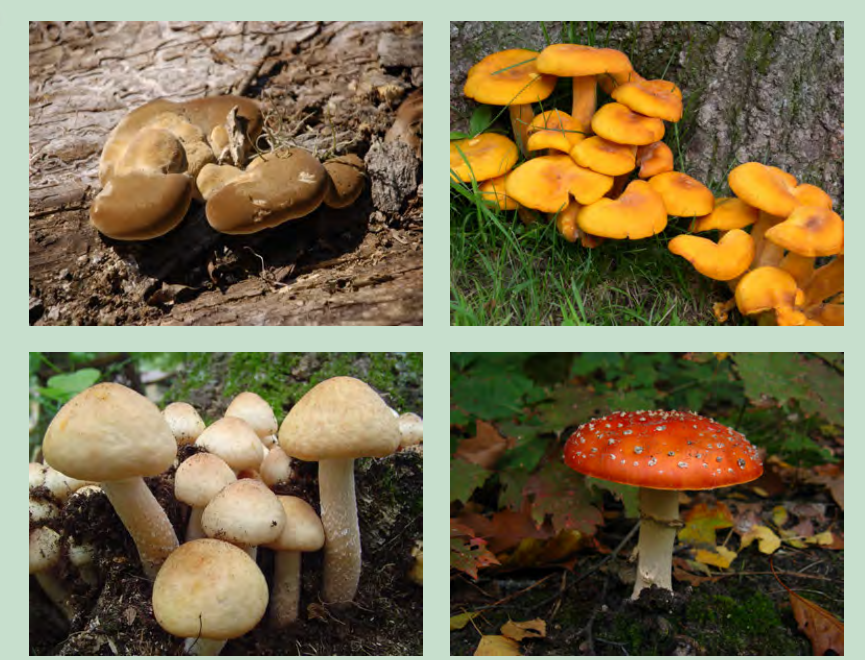
- Decomposers break down dead organisms and waste, recycling nutrients.
- Scavengers are carnivores that eat dead animals.
- Insectivores are carnivores that eat insects and small invertebrates.
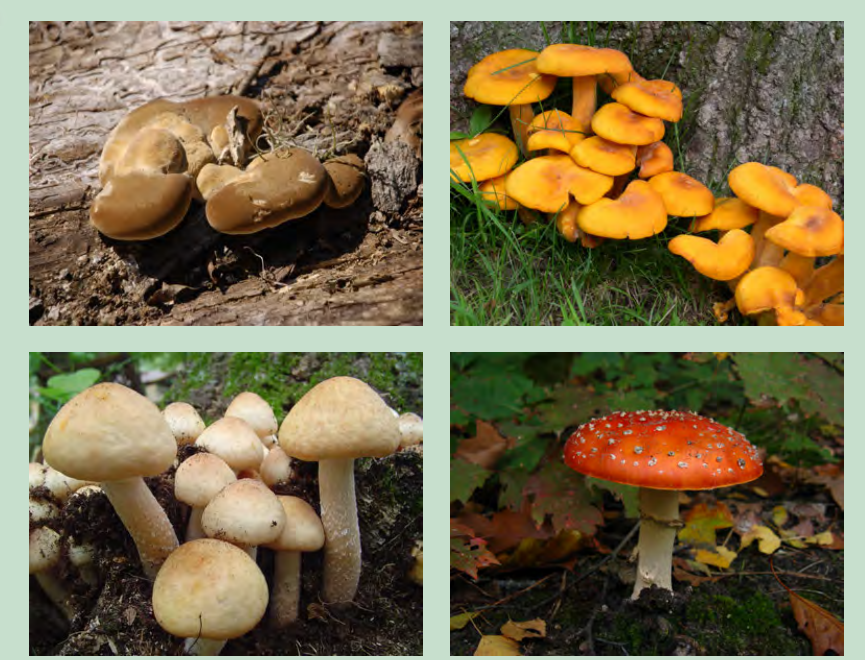
Photographs of four different fungi growing on dead wood
Food Chains and Food Webs
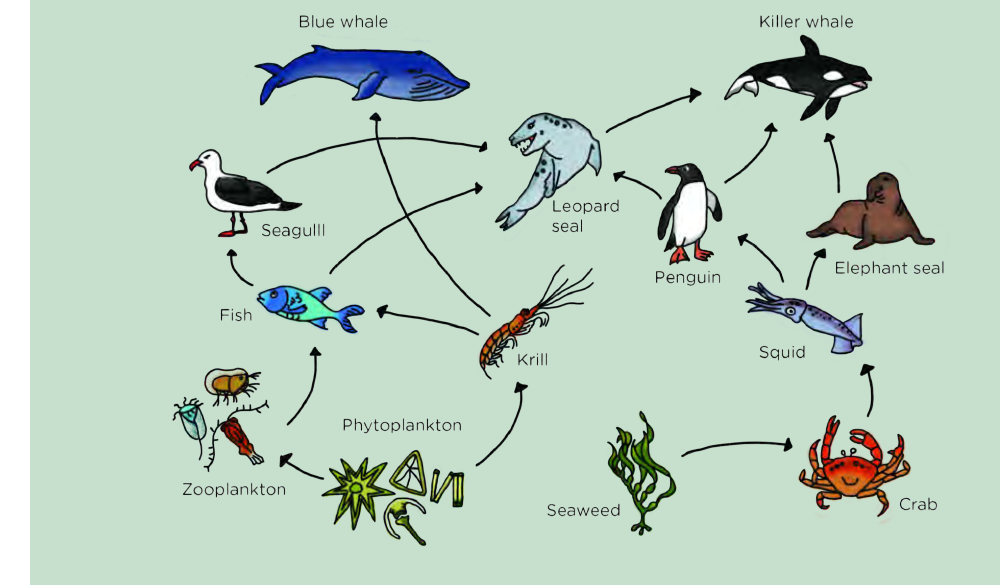
- A food chain shows the linear flow of energy and matter from one organism to the next.
- Arrows in a food chain point from the eaten organism to the eater, indicating energy transfer.
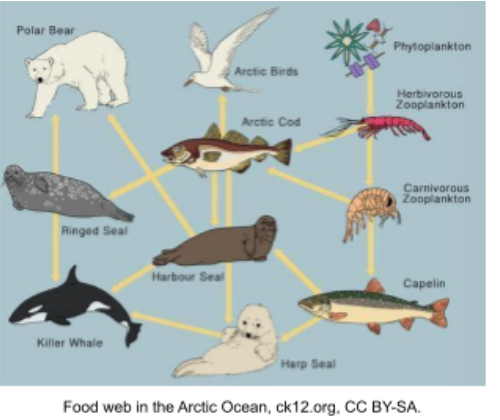
- A food web consists of interconnected food chains, showing multiple feeding relationships.
- Producers are always at the start of a food chain, bringing energy into the ecosystem.
- Most organisms eat multiple things, making food webs more realistic than simple chains.
A food web of the Southern Ocean
Trophic Levels: Primary, Secondary and Tertiary Consumers
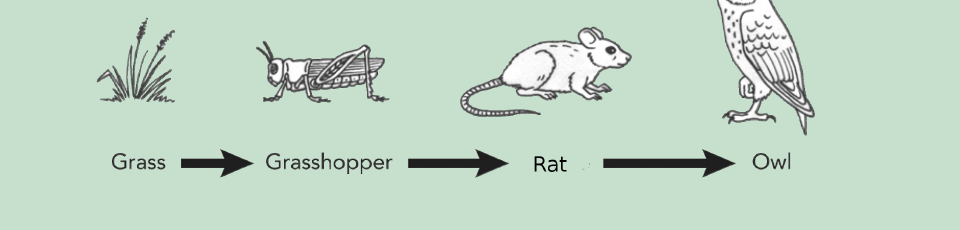
- A food chain such as grass → grasshopper → rat → owl shows how energy passes from one trophic level to the next.
- Animals that eat producers directly, like the grasshopper, are primary consumers.
- Animals that eat primary consumers, like the rat, are secondary consumers.
- Animals that eat secondary consumers, like the owl, are tertiary consumers.
- Each feeding step in a food chain is called a trophic level.
A simple food chain: grass, grasshopper, rat, owl
Energy Flow and Pyramids
- The sun is the ultimate energy source for most ecosystems.
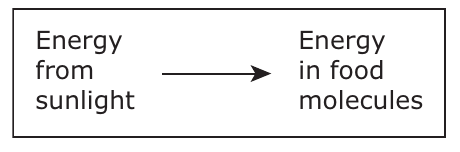
- Energy flows through ecosystems, being converted from light to chemical energy in photosynthesis.
- Energy is not cycled; it flows and is lost as heat at each trophic level.
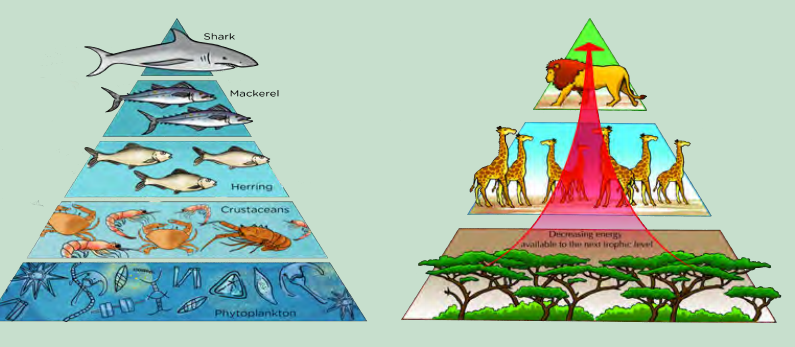
- Only about 10% of energy is transferred to the next trophic level; 90% is used for life processes or lost as heat.
- An energy pyramid illustrates the decreasing energy and number of organisms at higher trophic levels.
- Producers are the most numerous and form the base of the pyramid.
Energy pyramids for a marine ecosystem and a savanna ecosystem
Matter Cycling and the Carbon Cycle
- Matter cycles in ecosystems; it is reused over and over again.
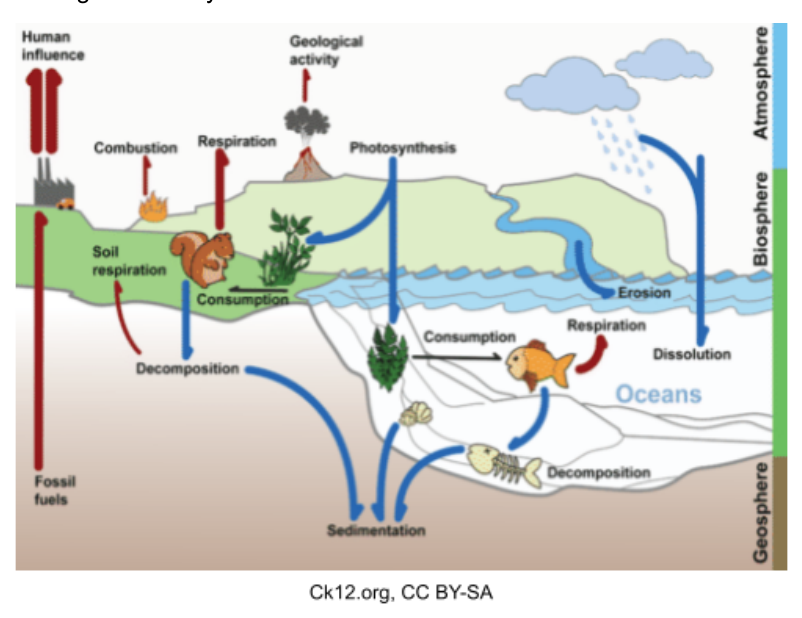
- The carbon cycle moves carbon between living and nonliving parts of the ecosystem.
- Carbon is released as CO2 through cellular respiration, decomposition, and burning of organic matter.
- Photosynthesis removes CO2 from the atmosphere or water to produce glucose.
- Carbon can be stored for long periods in rocks, fossil fuels, and the ocean.
- Human activities like burning fossil fuels and deforestation increase atmospheric CO2.
The carbon cycle
Matter Cycles, Energy Flows: What Happens When Ecosystems Are Disrupted
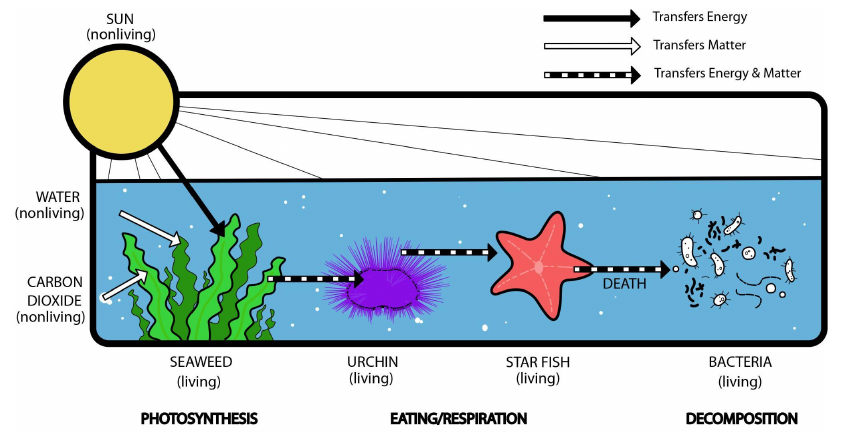
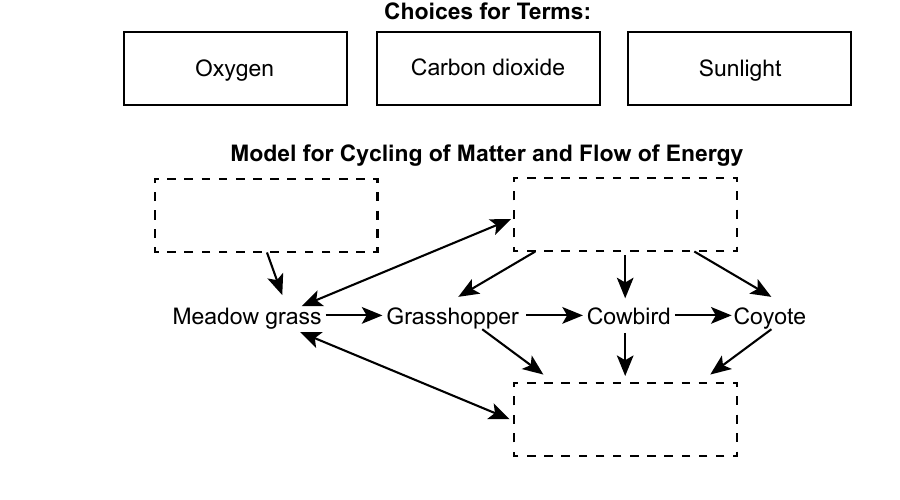
- Matter cycles through the living and nonliving parts of an ecosystem, while energy flows through it in one direction.
- A model of a tide-pool ecosystem shows sunlight and carbon dioxide (nonliving) providing matter and energy to seaweed (a producer), which passes them on to a sea urchin, then a starfish, and finally to bacteria that decompose it.
- The model distinguishes transfers of energy alone, matter alone, and both energy and matter together.
- A disruption to one part of the model — such as pollution that clouds the water or a rise in temperature — can reduce how much energy the producer captures, slowing the cycling of matter and flow of energy through the whole system.
- Because every part of an ecosystem is connected, a change to the living or nonliving parts can affect the stability of the whole system.
A model of matter and energy transfer in a tide-pool ecosystem
Slides
Sign up free to view the lesson slides
Step through every slide for this topic — plus flashcards and revision notes — with a free account.
Practice questions
Free preview — 8 of 43 questions. Sign up to see them all.
1.What is the primary source of energy for almost all ecosystems?
Easy- AThe sun
- BThe moon
- CGeothermal heat
- DChemical reactions
2.Which of the following is a producer?
Easy- ACattail
- BGrasshopper
- CFrog
- DHawk
3.What do the arrows in a food chain represent?
Easy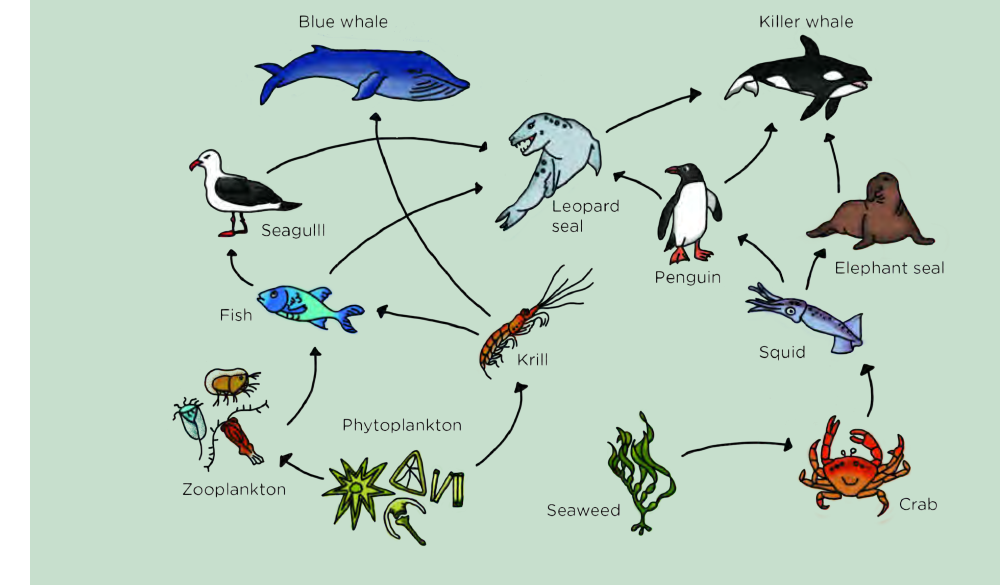
- AThe direction of energy and matter flow
- BThe size of the organisms
- CThe speed of the organisms
- DThe number of organisms
4.Approximately what percentage of energy is transferred from one trophic level to the next?
Easy- A10%
- B50%
- C90%
- D100%
5.Decomposers release nutrients back into the environment for producers to use.
EasyTrue or false?
6.Which process removes carbon dioxide from the atmosphere?
Easy- APhotosynthesis
- BCellular respiration
- CDecomposition
- DBurning fossil fuels
7.Which of the following are consumers? (Select all that apply)
Easy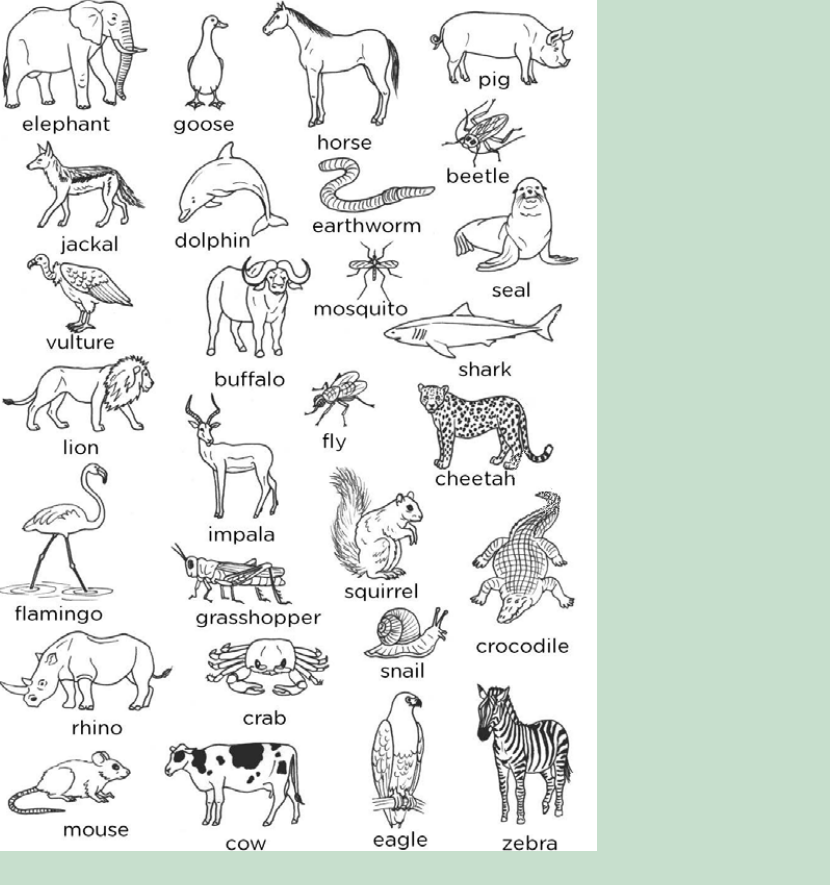
- AHerbivore
- BCarnivore
- COmnivore
- DProducer
- EDecomposer
8.Which of the following is the correct sequence in a food chain?
Medium- AProducer → Primary consumer → Secondary consumer → Tertiary consumer
- BPrimary consumer → Producer → Secondary consumer → Tertiary consumer
- CProducer → Secondary consumer → Primary consumer → Tertiary consumer
- DTertiary consumer → Secondary consumer → Primary consumer → Producer
Unlock all 43 questions, flashcards & more
Create a free account to see every question, the slides, flashcards and revision notes for this topic.