Communicable diseases
Lerne es beim Spielen
Beantworte diese Fragen für Energie, dann angle und erkunde. Kein Konto nötig.
Lektionsnotizen
What Are Communicable Diseases?
- Communicable diseases are caused by microorganisms called pathogens and can spread between individuals, or between individuals and animals.
- Examples include chickenpox, caused by the varicella-zoster virus, and Covid-19, caused by the SARS-CoV-2 virus.
- Non-communicable diseases are not caused by pathogens and cannot be passed between individuals; examples are asthma, coronary heart disease (CHD) and most cancers.
- Non-communicable diseases tend to have longer-lasting effects, and the risk of developing them can be increased by factors such as diet, stress and life situations.
- If an individual suffers from one disease, they are likely to be more susceptible to others because the immune system may be compromised or diseases may interact.
Types of Pathogen
- A pathogen is any microorganism that causes disease in another organism, such as in plants or animals.
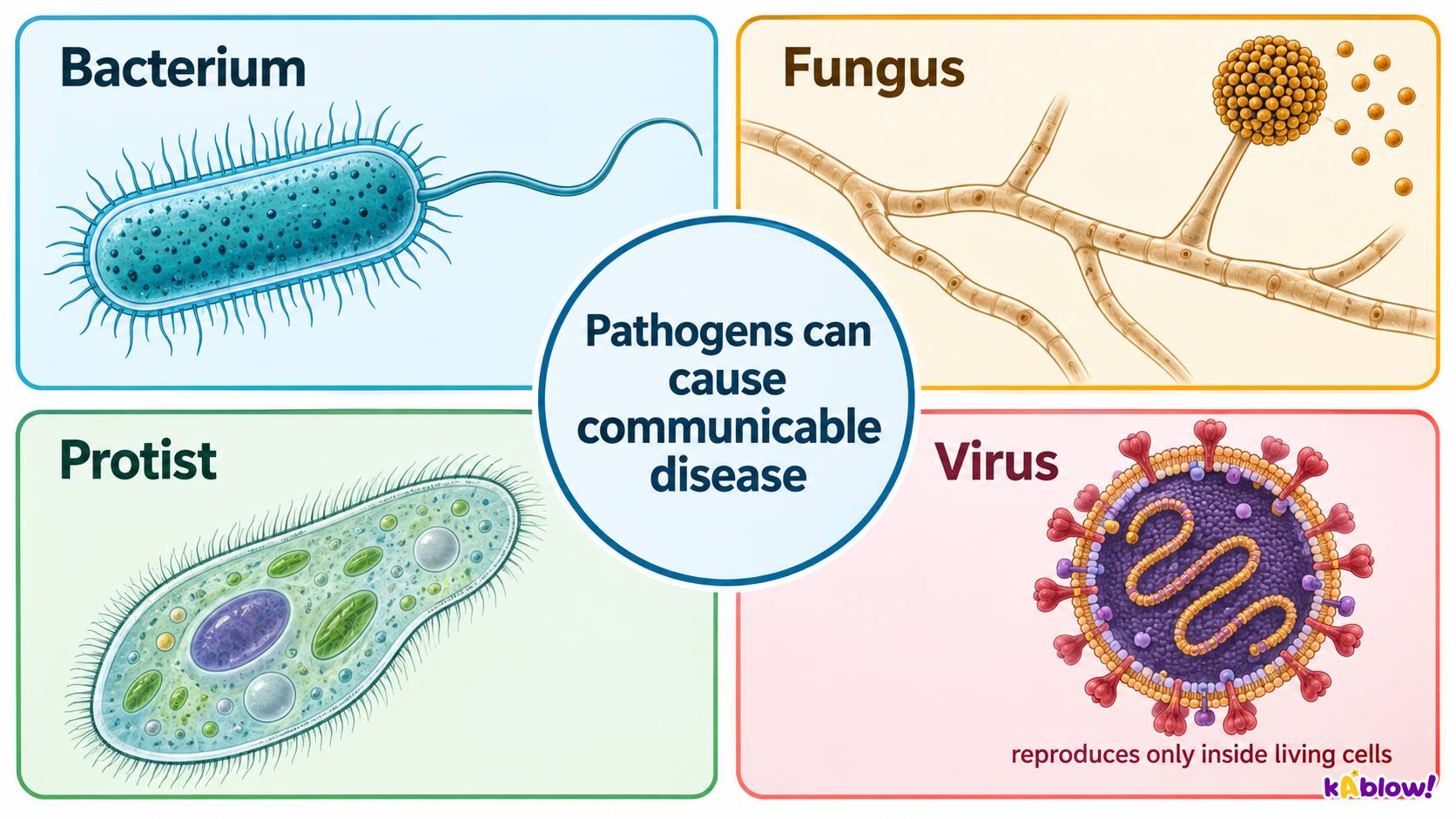
- The main groups of pathogens are bacteria, fungi, protists and viruses.
- Not all species within these groups are pathogens — many bacteria, fungi and protists are harmless — but all viruses are pathogenic because they can only exist by living inside the living cells of other organisms.
- Pathogenic bacteria are small, reproduce very quickly, and may remain within body cavities or spaces; the toxins they produce also damage cells.
- Pathogenic fungi can be single-celled or multicellular (with threads of hyphae) and produce spores that allow them to infect other organisms; fungal diseases are much more common in plants than in animals.
- Pathogenic protists are parasites that need a host to survive; only a small number are pathogenic, but the diseases they cause are often serious.
Pathogen groups
How Viruses Reproduce
- Viruses are not usually classified as living organisms because they do not carry out the eight life processes for themselves.
- Viruses are small particles (always smaller than bacteria), are parasitic, and can only reproduce inside living cells.
- They have no cellular structure but have a protein coat and contain one type of nucleic acid, either DNA or RNA.
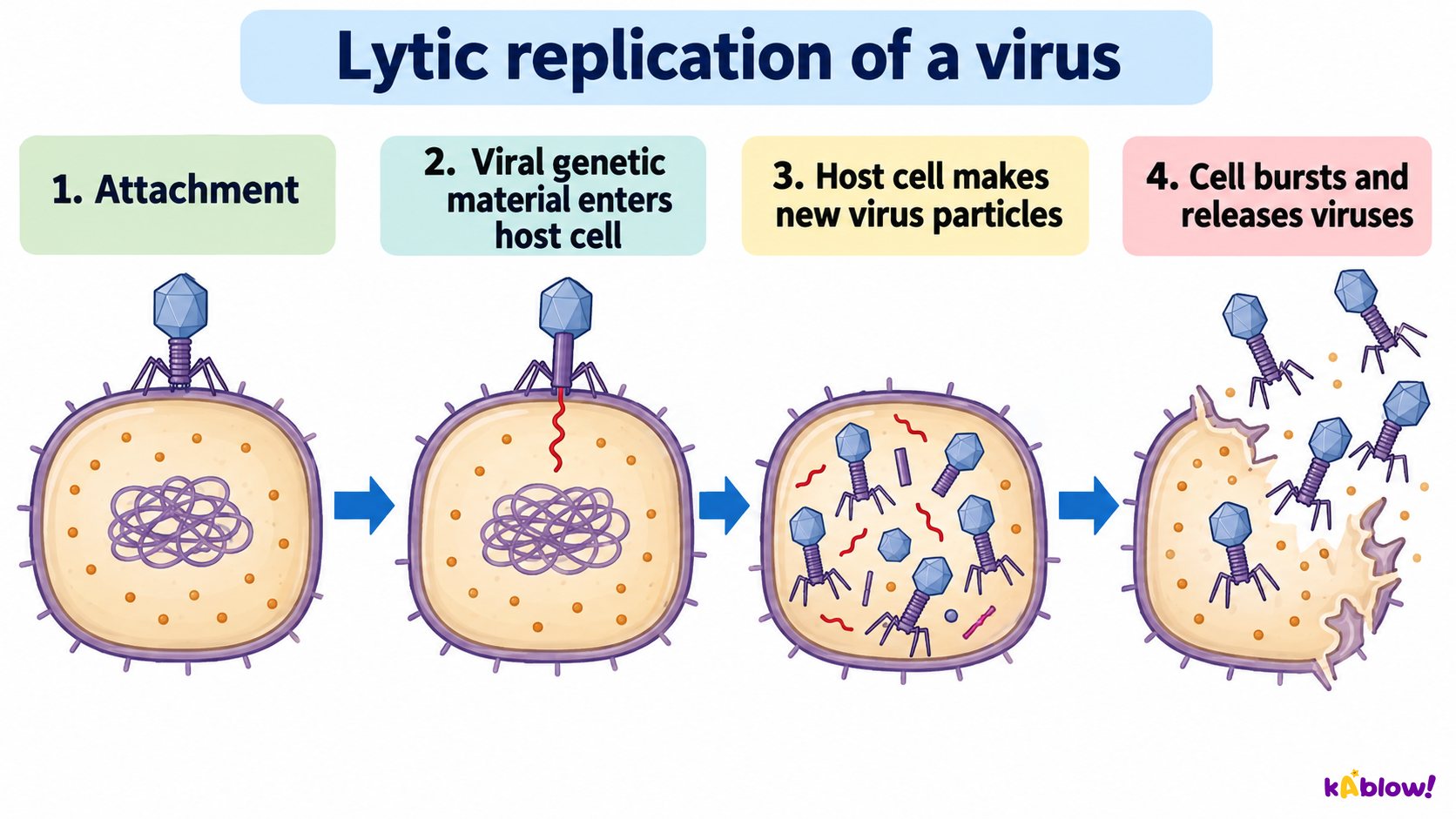
- In the lytic pathway, the virus injects its DNA into the host cell, uses the host's proteins and enzymes to produce new virus particles, and then the cell bursts, releasing the virus particles.
- In the lysogenic pathway, the viral DNA becomes incorporated into the host DNA and replicates as the host cell replicates, but no new virus particles are made while the virus is dormant.
- Changes in the environment (e.g. a chemical trigger) can cause the viral DNA to move to the lytic pathway to make new virus particles.
Lytic replication of a virus
Common Infections
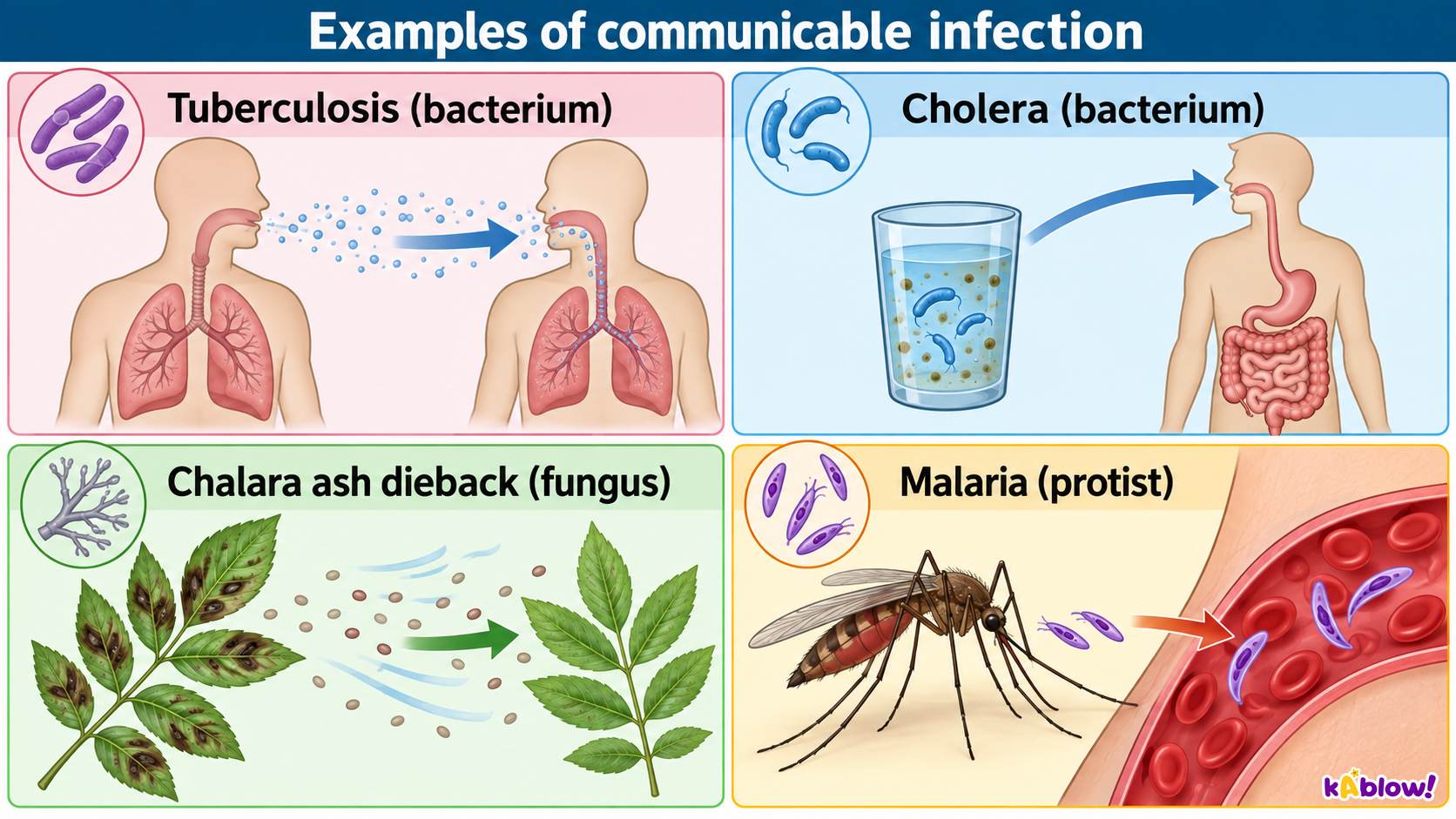
- Mycobacterium tuberculosis causes tuberculosis (TB) in humans; the bacteria infect the lungs, causing a chronic cough and bloody mucus, and the disease is often associated with poor hygiene and sanitation.
- Vibrio cholerae causes cholera; the bacteria infect the intestines, causing diarrhoea, vomiting and leg cramps, and it can lead to death if not treated quickly.
- Helicobacter pylori causes stomach ulcers; infection commonly occurs during childhood and often gives no symptoms, but can lead to abdominal pain, loss of appetite, bloating and nausea.
- Chlamydia trachomatis causes chlamydia, a sexually transmitted infection that may cause no symptoms or pain when urinating, unusual discharge or bleeding after sex; it can cause infertility if left untreated.
- Chalara ash dieback is a fungal infection that affects ash trees of all ages, causing dark patches on the leaves, early leaf loss and bark lesions; its spores travel large distances in the wind.
- Plasmodium falciparum is a protist that causes severe forms of malaria in humans; it is spread by mosquitoes and causes damage to the blood and the liver.
Examples of communicable infection
Human Physical Barriers
- The human body's first line of defence includes physical barriers — structures that make it difficult for pathogens to get past them and into the body.
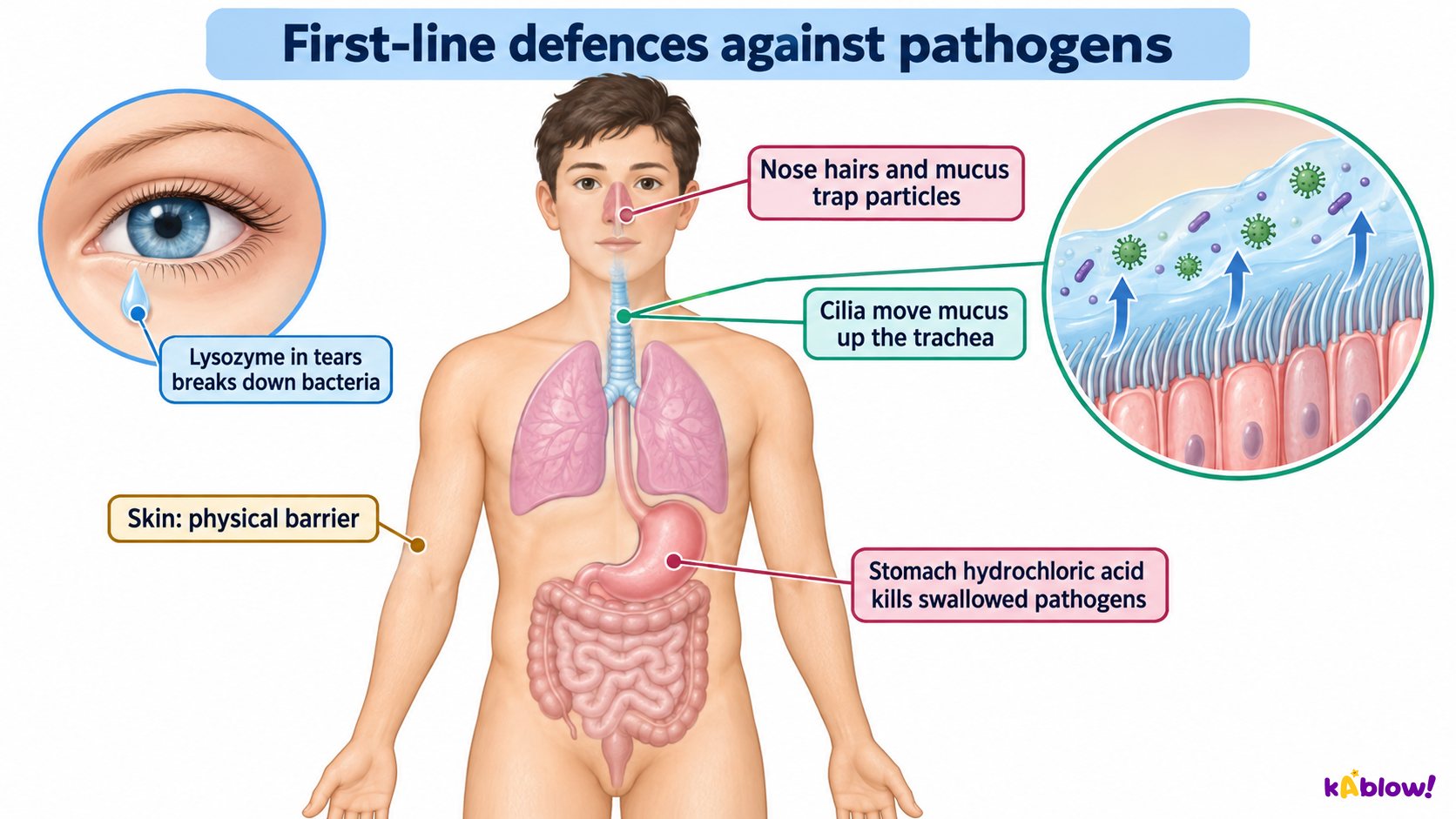
- Skin covers almost all parts of the body to prevent infection; if it is cut or grazed, it immediately begins to heal itself, often by forming a scab.
- Hairs and mucus in the nose make it difficult for pathogens to get further up the nose so they are not inhaled into the lungs.
- Mucus and cilia in the trachea and bronchi trap pathogens; cilia are microscopic hair-like structures that waft mucus up to the back of the throat so it can be removed from the body by coughing, blowing the nose or swallowing.
First-line defences against pathogens
Human Chemical Barriers
- Chemical barriers are substances produced by body cells that trap or kill pathogens before they can get further into the body and cause disease.
- Stomach acid contains hydrochloric acid which is strong enough to kill pathogens that have been swallowed in mucus, food or water.
- Lysozymes are enzymes produced by the eyes and released in tears that break down and kill bacteria on or around the eye.
- Natural bacterial flora in the gut and vagina protect against infection from pathogenic bacteria by outcompeting the pathogen.
- Sebum on the surface of the skin kills bacterial and fungal pathogens.
Non-Specific Immune Response
- White blood cells are part of the body's immune system and defend against pathogenic microorganisms.
- There are two main types of white blood cell: phagocytes, which carry out phagocytosis, and lymphocytes, which produce antibodies and antitoxins.
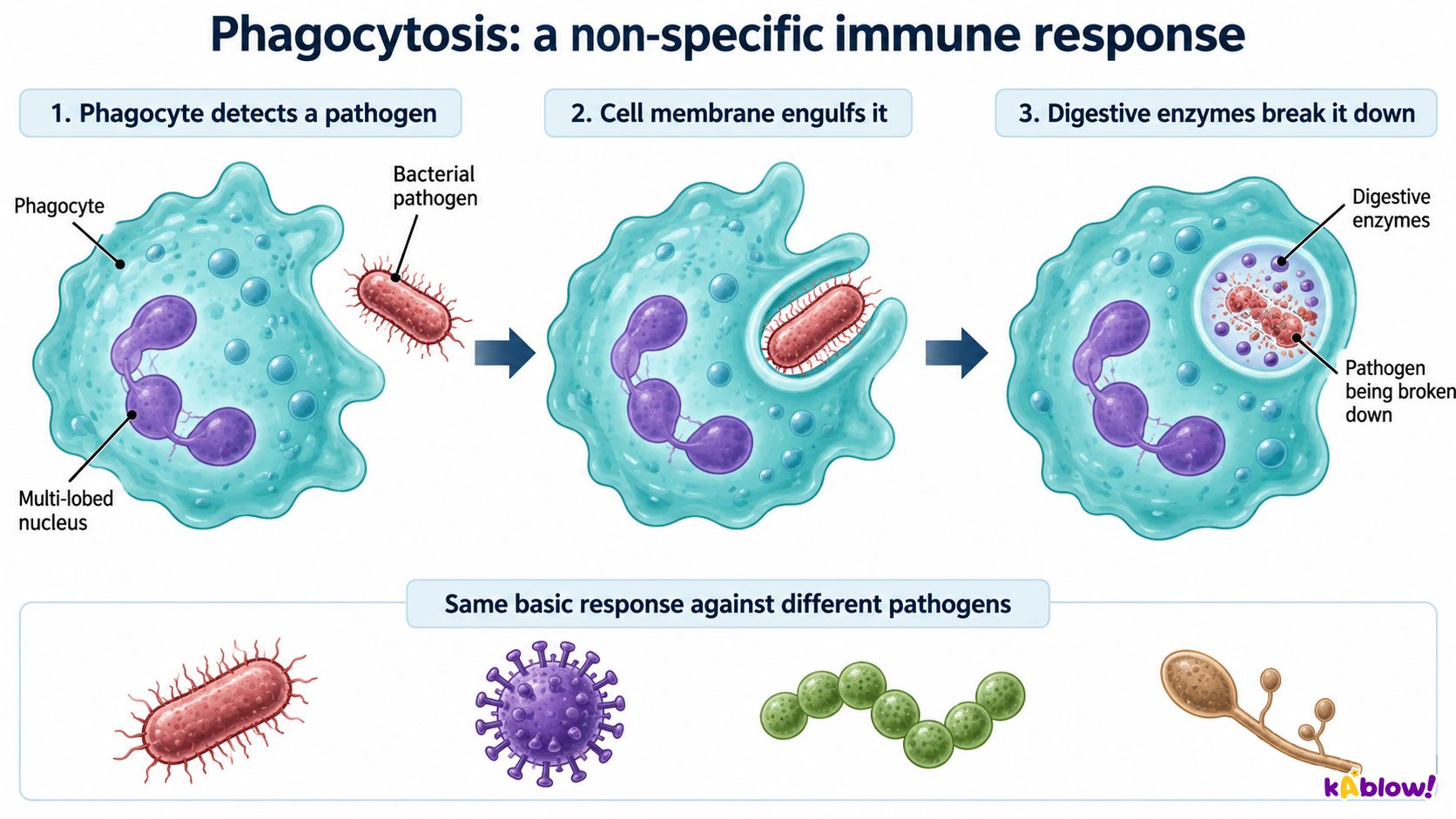
- Phagocytes have a sensitive cell surface membrane that can detect chemicals produced by pathogenic cells; once they encounter a pathogen, they engulf it and release digestive enzymes to digest it.
- This is a non-specific immune response because the response is the same for any pathogenic cell.
- Phagocytes can be recognised under the microscope by their multi-lobed nucleus and granular cytoplasm.
Phagocytosis
Specific Immune Response
- B-lymphocytes can be recognised under the microscope by their large round nucleus, which takes up nearly the whole cell, and their clear, non-granular cytoplasm.
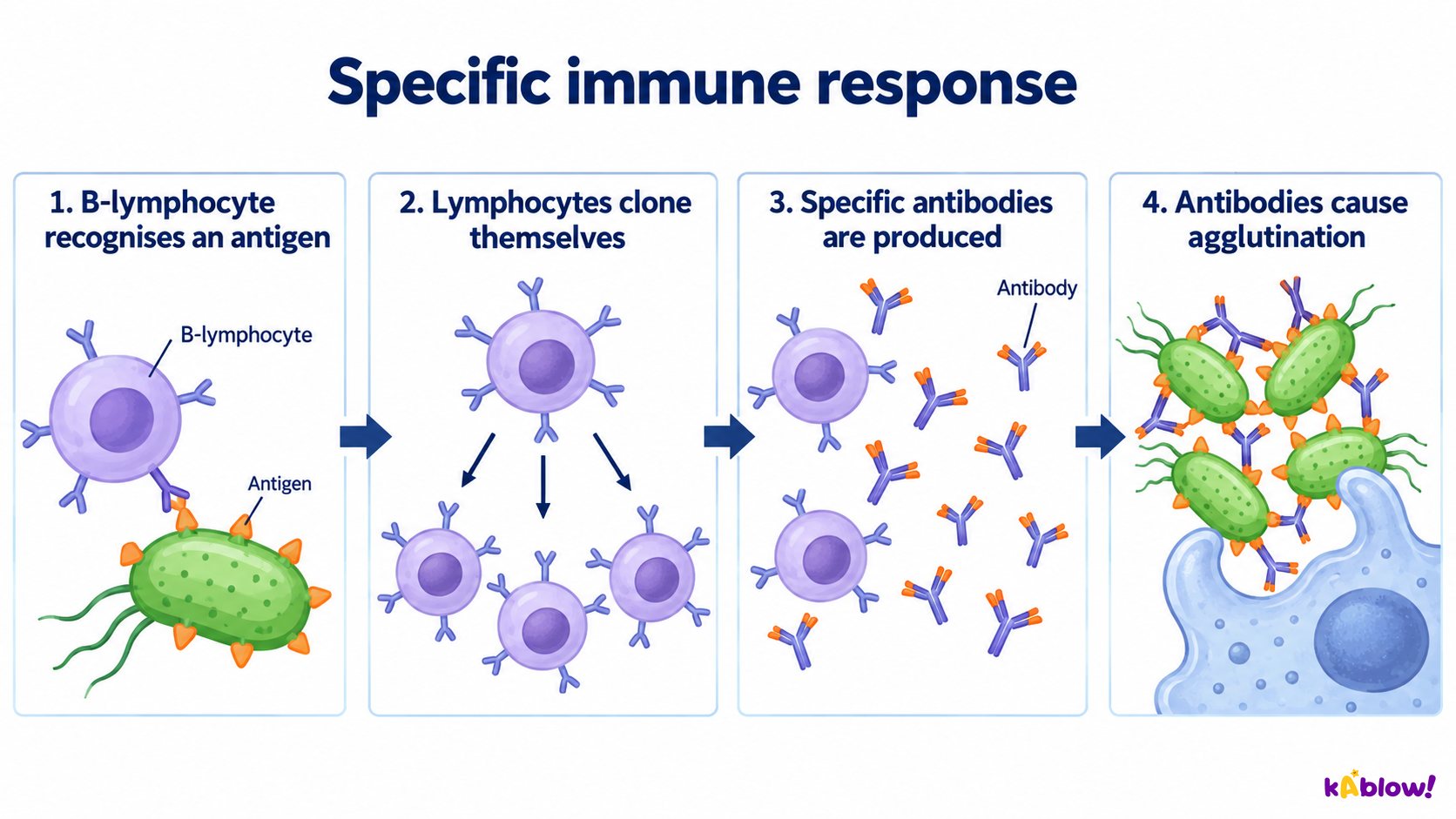
- B-lymphocytes produce antibodies, which are Y-shaped proteins with a shape that is specific (complementary) to the antigens on the surface of a pathogen.
- This is a specific immune response because the antibodies produced will only fit one type of antigen on a pathogen.
- Antibodies attach to antigens and cause agglutination (clumping together), meaning the pathogenic cells cannot move very easily.
- At the same time, chemicals are released that signal to phagocytes that there are cells present that need to be destroyed.
- Lymphocytes also produce antitoxins to neutralise toxins released by pathogens; these are specific to specific pathogens.
Specific immune response
Response to Infection and Memory Cells
- The pathogen enters the bloodstream and multiplies; a release of toxins (in the case of bacteria) and infection of body cells causes symptoms in the patient.
- Phagocytes that encounter the pathogen recognise it as invading and engulf and digest it (non-specific response).
- Eventually, the pathogen encounters a B-lymphocyte which recognises its antigens; the lymphocyte starts to produce specific antibodies and clones itself to produce lots of lymphocytes all producing the specific antibody required.
- Antibodies cause agglutination of pathogens, and phagocytes engulf and digest the agglutinated pathogens.
- After the patient has recovered, they retain antibodies specific to the disease as well as memory cells (lymphocytes that recognise the pathogen).
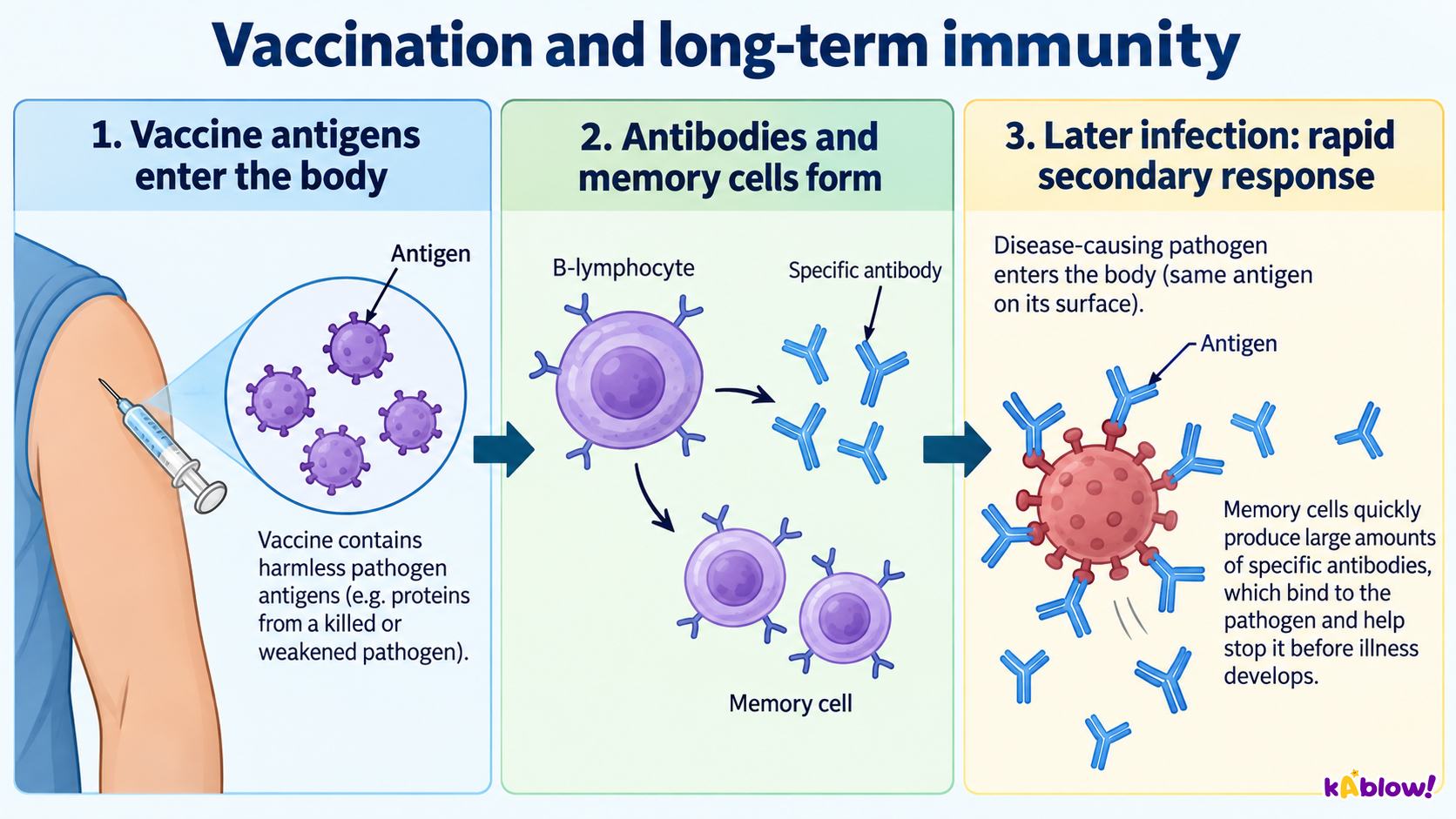
- If the patient encounters the same pathogen again, it triggers a secondary immune response: memory cells can produce much larger quantities of the required antibody in a much shorter time to fight off the pathogen before symptoms occur.
Vaccination
- Vaccines are used to induce immunity to infectious diseases and contain harmless versions of a pathogen.
- Harmless pathogens can be produced by killing the pathogen, making the pathogen unable to grow or divide (attenuated vaccine), or using fragments of pathogens that include the necessary antigens.
- A vaccine may be administered orally, nasally or via an injection.
- Once in the bloodstream, the antigens in the vaccine trigger an immune response: lymphocytes recognise the antigens, produce antibodies specific to the antigen encountered, and memory cells and antibodies remain circulating in the bloodstream.
- Future infection by the same pathogen triggers a response that is much faster and much larger compared to the initial response, so the pathogen is unable to cause disease and the individual is said to be immune.
- Vaccines protect the vaccinated individual and reduce the likelihood that an infected individual will spread the pathogen to others; if a large proportion of the population is vaccinated, it is unlikely that an unvaccinated individual will become infected — this is herd immunity.
- Vaccines have reduced cases of certain diseases drastically or even eradicated many diseases worldwide, including smallpox, measles, mumps and tetanus.
- Disadvantages of vaccination include mutations in the pathogen's DNA/RNA changing the antigen so lymphocytes no longer recognise the pathogen, vaccination not always giving immunity, and side-effects reducing uptake in the population.
Vaccination and long-term immunity
Plant Defence Responses
- Plants have a range of defence mechanisms against infections and infestations, split into chemical and physical defences.
- Chemical defences prevent herbivores from eating plants and include antiseptics or antimicrobial enzymes, chemical poisons to deter pests, and mechanisms to attract other insects as a biological control.
- These same chemicals can sometimes be used to treat human diseases; for example, chemicals with antimicrobial properties can be extracted for human use such as in antibiotics.
- Herbal face creams can use plant extracts such as tea tree oil, mint and witch hazel to have an antibacterial effect, and the pain relief drug aspirin originated from the bark of willow trees.
- Physical defences include the cellulose cell wall, which provides support and protection from microorganisms, and the waxy cuticle of leaves and stems, which acts as a barrier to microbes; the only place microbes can enter a leaf is through the stomata.
- Bark provides a tough layer around the stem to prevent pathogens from entering, and as deciduous trees lose leaves in winter the infection can be taken with them.
- Thorns or hairy stems make it more difficult for pests to access plant tissue to feed.
Detecting and Identifying Plant Diseases
- Plants can be infected with a range of bacterial and viral pathogens, such as tobacco mosaic virus (TMV) and rose black spot fungus, and can also be infested with insects such as aphids.
- Aphids pierce the surface of the stem and feed off the sap in the phloem, causing physical damage and weakening the plant.
- The symptoms of plant diseases can apply to more than one disease, which makes identifying them difficult.
- In the field, studies of plant species in their natural environment might highlight the presence of certain diseases; observations by plant pathologists identify diseases based on symptoms.
- It is important to determine whether a symptom is due to a proposed disease or an environmental issue such as mineral ion deficiency.
- Assessing the distribution of plant populations may indicate what type of pathogen is involved and/or how it is being transmitted; patches of diseased plants may suggest infection through the soil, while random distributions may suggest airborne transmission such as the spores that cause Chalara ash dieback.
- In the laboratory, ecologists may take cuttings of plants for chemical analysis, and culturing the pathogen from the sample may lead to accurate identification of the disease.
- Monoclonal antibodies are antibodies specific to the antigens on the pathogen; if the antigen is present in the infected plant sample, the antibodies bind to them and allow accurate diagnosis, and DNA analysis can identify the specific pathogen causing the problem.
Folien
Sign up free to view the lesson slides
Step through every slide for this topic — plus flashcards and revision notes — with a free account.
Übungsfragen
Gratis-Vorschau — 8 von 63 Fragen. Registriere dich, um alle zu sehen.
1.Which organelle controls the activities of a white blood cell?
Easy- AMitochondrion
- BRibosome
- CChromosome
- DNucleus
2.Which type of white blood cell produces antibodies?
Easy- APhagocyte
- BLymphocyte
- CRed blood cell
- DPlatelet
3.Which of the following is a chemical barrier in the human body?
Easy- ASkin
- BMucus in the nose
- CStomach acid
- DCilia in the trachea
4.Which of the following is a physical defence that helps protect a plant from pathogens?
Medium- AProduction of poisons
- BWaxy cuticle on the leaf
- CRelease of antimicrobial enzymes
- DAttracting predatory insects
5.Which of the following is a reason why identifying plant diseases based solely on symptoms can be challenging?
Medium- ASymptoms are always unique to a specific disease
- BMultiple diseases can exhibit similar symptoms
- CPlants do not show symptoms of diseases
- DIdentifying diseases based on symptoms is an easy process
6.Which type of pathogen causes Chalara ash dieback?
Medium- ABacterium
- BVirus
- CFungus
- DProtist
7.Which of the following are physical barriers that help defend the human body against pathogens? (select all that apply)
Medium- ASkin
- BHairs and mucus in the nose
- CLysozymes in tears
- DMucus and cilia in the trachea and bronchi
- EStomach acid
8.Antibodies are Y-shaped proteins that are specific to the antigens on the surface of a pathogen.
EasyTrue or false?
Unlock all 63 questions, flashcards & more
Erstelle ein Gratis-Konto, um alle Fragen, Folien, Karteikarten und Lernnotizen zu diesem Thema zu sehen.