Conservation and dissipation of energy
Lerne es beim Spielen
Beantworte diese Fragen für Energie, dann angle und erkunde. Kein Konto nötig.
Lektionsnotizen
Conservation of Energy
- Energy can be transferred usefully, stored, or dissipated, but it can never be created or destroyed.
- In a closed system, there is no net change to the total energy — energy transfers just move energy between stores.
- Energy is transferred by heating and by radiation, and these transfers tend to spread energy out to the surroundings.
- Never say energy is 'lost' — it implies energy is not conserved; instead say it is dissipated to the surroundings.
- Energy can be transferred mechanically, electrically, by heating, or by radiation between stores.
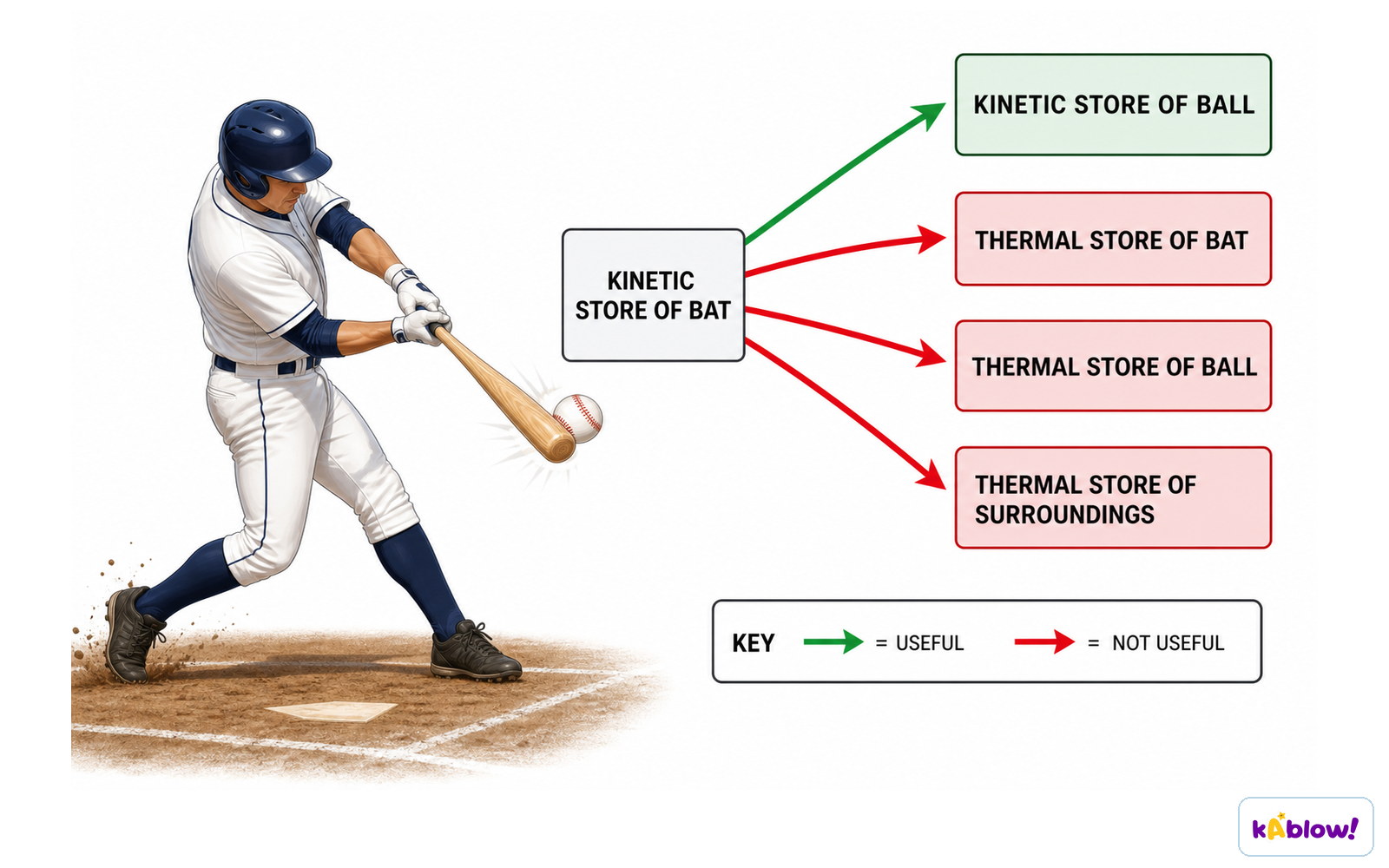
Conservation of energy: a bat hitting a ball
Wasted Energy and Dissipation
- Useful energy is an energy transfer that serves an intended purpose.
- Wasted energy is an energy transfer that is not useful for the intended purpose and is dissipated to the surroundings.
- Dissipation means energy spreads out to the surroundings, usually by heating or radiation.
- Dissipated energy is very difficult to gather and use again, so it becomes less useful.
- Mechanical processes become wasteful when they cause a rise in temperature, often through friction.
- When friction acts, energy is transferred from the kinetic store by heating to the objects and the surroundings.
- Whenever a process produces unwanted heating, light, or sound, energy is dissipated and essentially wasted.
Useful and Wasted Transfers: Examples
- Bat hitting a ball: energy transfers usefully from the kinetic store of the bat to the kinetic store of the ball; some is dissipated by heating to the thermal store of the bat, ball, and surroundings.
- Electric motor lifting a load: energy transfers usefully from the kinetic store of the motor to the gravitational potential store of the load.
- In the motor, friction between components transfers energy from the kinetic store of the motor to its thermal store, dissipated to the surroundings.
- Television: useful transfers are electrical energy dissipated as visible light and sound; wasted transfer is electrical energy to the thermal store, dissipated by heating.
- Electric heater: useful transfer is electrical energy to the thermal store of the heating element, dissipated by heating; wasted transfer is dissipated by radiation as visible light.
- The same energy transfer can be useful in one device and wasted in another — it depends on the intended purpose.
Conduction of Heat
- Thermal conduction is the process where energy is transferred by vibrating particles in a substance.
- Vibrating particles transfer energy from their kinetic store to the kinetic store of neighbouring particles.
- Energy is always transferred by conduction from hot to cold.
- The higher the thermal conductivity of a material, the higher the rate of energy transfer by conduction across it.
- Conduction is the main method of energy transfer by heating in solids; metals are extremely good thermal conductors.
- Non-metals are poor thermal conductors, and liquids and gases are extremely poor; poor conductors are called insulators.
- Objects continue to lose heat until they reach thermal equilibrium (equal temperature) with their surroundings.
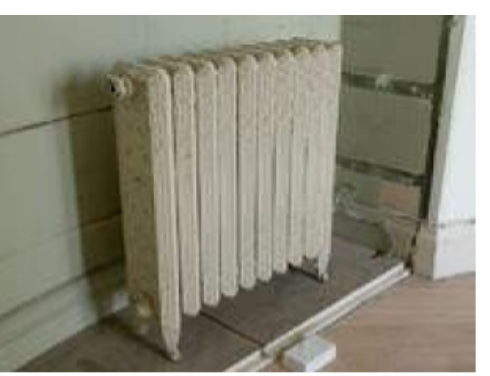
A household radiator: hot water inside heats the metal by conduction, and the metal then radiates thermal energy into the room.
Factors Affecting the Rate of Energy Transfer
- The rate of energy transfer by conduction depends on the thickness of the material.
- It also depends on the thermal conductivity of the material.
- It depends on the temperature difference between two areas of the material, such as the internal and external surfaces of a wall.
- The rate of energy transfer is reduced by increasing the thickness of the material.
- It is reduced by decreasing the thermal conductivity of the material.
- It is reduced by decreasing the temperature difference across the material.
Reducing Unwanted Energy Transfers
- Lubrication reduces friction between parts that rub together, cutting wasted heating.
- Insulation reduces energy transfers by conduction.
- A good insulator has low thermal conductivity, low density, and greater thickness.
- In a denser material, particles are closer together, so they transfer energy to one another more easily and conduction is greater.
- Fibreglass loft insulation works well because air trapped between the fibres makes it a good insulator.
- Cavity wall insulation fills the gap between external walls with foam, lowering conduction of heat from inside to outside.
- Insulating a loft lowers the rate of cooling of a house, so less energy is transferred to the surroundings.
Efficiency
- Efficiency is a measure of the amount of wasted energy in an energy transfer.
- It is the ratio of the useful energy output from a system to its total energy output.
- Equation: efficiency = useful energy transferred by the device ÷ total energy supplied to the device.
- Efficiency can also be calculated using power: efficiency = useful power output ÷ total power input.
- Efficiency can be given as a decimal (between 0 and 1) or as a percentage (between 0 and 100%).
- Efficiency has no units (only % when expressed as a percentage).
- High efficiency means most energy transferred is useful; low efficiency means most is wasted.
- By conservation of energy: total energy transferred = useful energy transferred + wasted energy.
Improving Efficiency (Higher Tier)
- Efficiency is improved by increasing useful energy transfers and reducing wasted energy transfers.
- Machines waste energy due to friction between moving parts, air resistance, electrical resistance, and noise.
- Friction can be reduced by adding bearings so components do not directly rub together, and by lubricating parts.
- Electrical resistance causes heating in wires and components; it can be reduced by using lower-resistance components and reducing the current.
- Air resistance opposes motion and causes heating; it can be reduced by streamlining shapes, such as a racing cyclist's posture, clothing, and bike design.
- Noise is reduced by tightening loose parts to reduce vibration and by lubricating parts.
- A more efficient device still wastes some energy — it does not waste zero energy.
Energy Resources
- Energy resources are large stores of energy used to generate electricity and heat homes and businesses.
- A renewable resource is replenished at a faster rate than it is used, so it will not run out.
- Renewable resources include solar, wind, bio-fuel, hydroelectricity, geothermal, and tidal.
- Non-renewable resources include fossil fuels (coal, oil, natural gas) and nuclear fuel.
- A reliable resource can produce energy at any time; non-reliable resources only produce energy some of the time (e.g. wind).
- The three main uses of energy resources are transport, electricity generation, and heating.
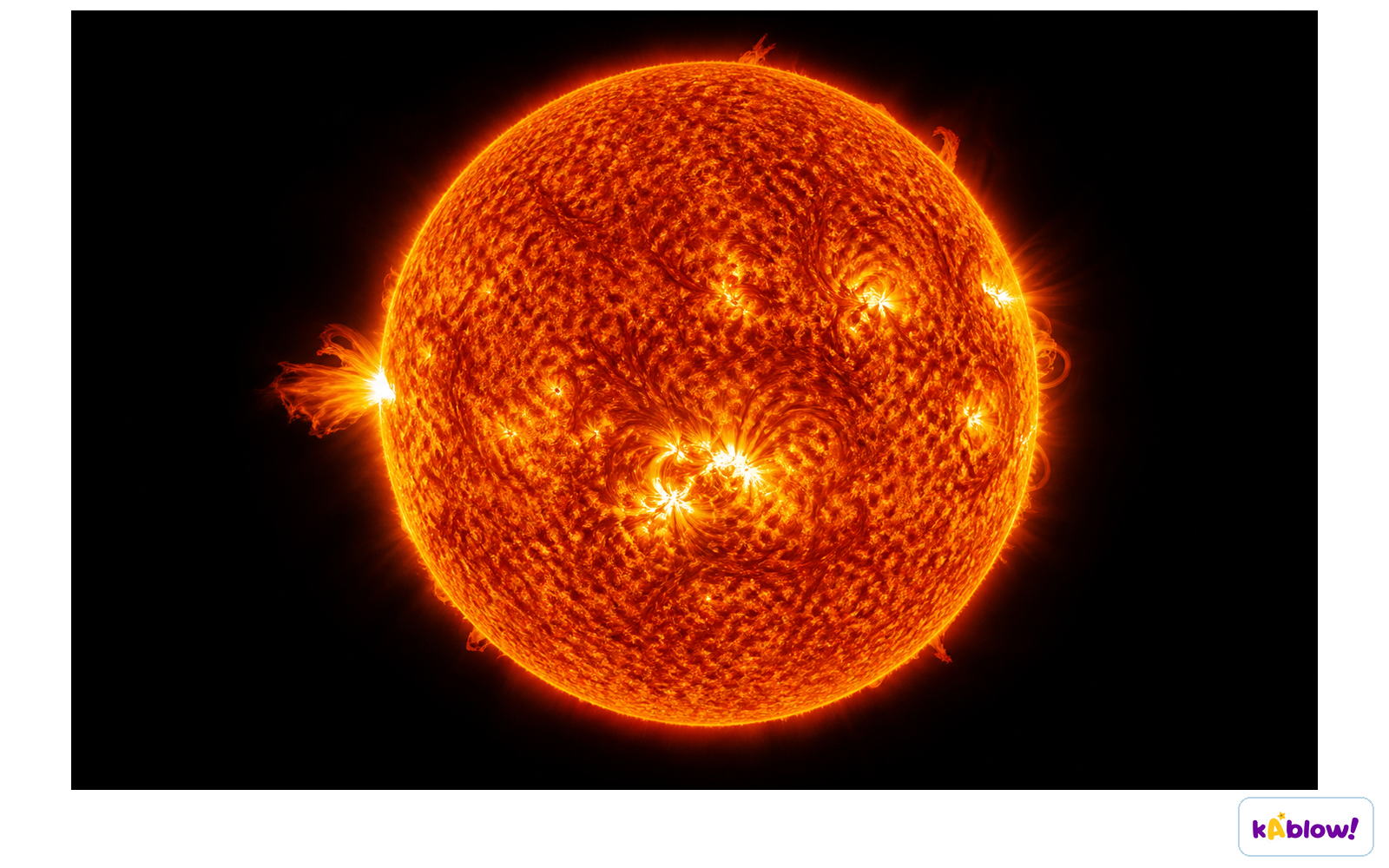
Energy from the Sun is the ultimate source of most of Earth's energy resources
Generating Electricity from Energy Resources
- Electricity is generated in similar ways regardless of the resource: a turbine is turned, which turns a generator.
- Fossil fuels: chemical store of fuel → thermal store of water → kinetic store of turbine → kinetic store of generator → transferred electrically to the National Grid.
- Nuclear fuel: nuclear store of fuel → thermal store of water → kinetic store of turbine → kinetic store of generator.
- Hydroelectric dam: gravitational potential store of water → kinetic store of water → kinetic store of turbine → kinetic store of generator.
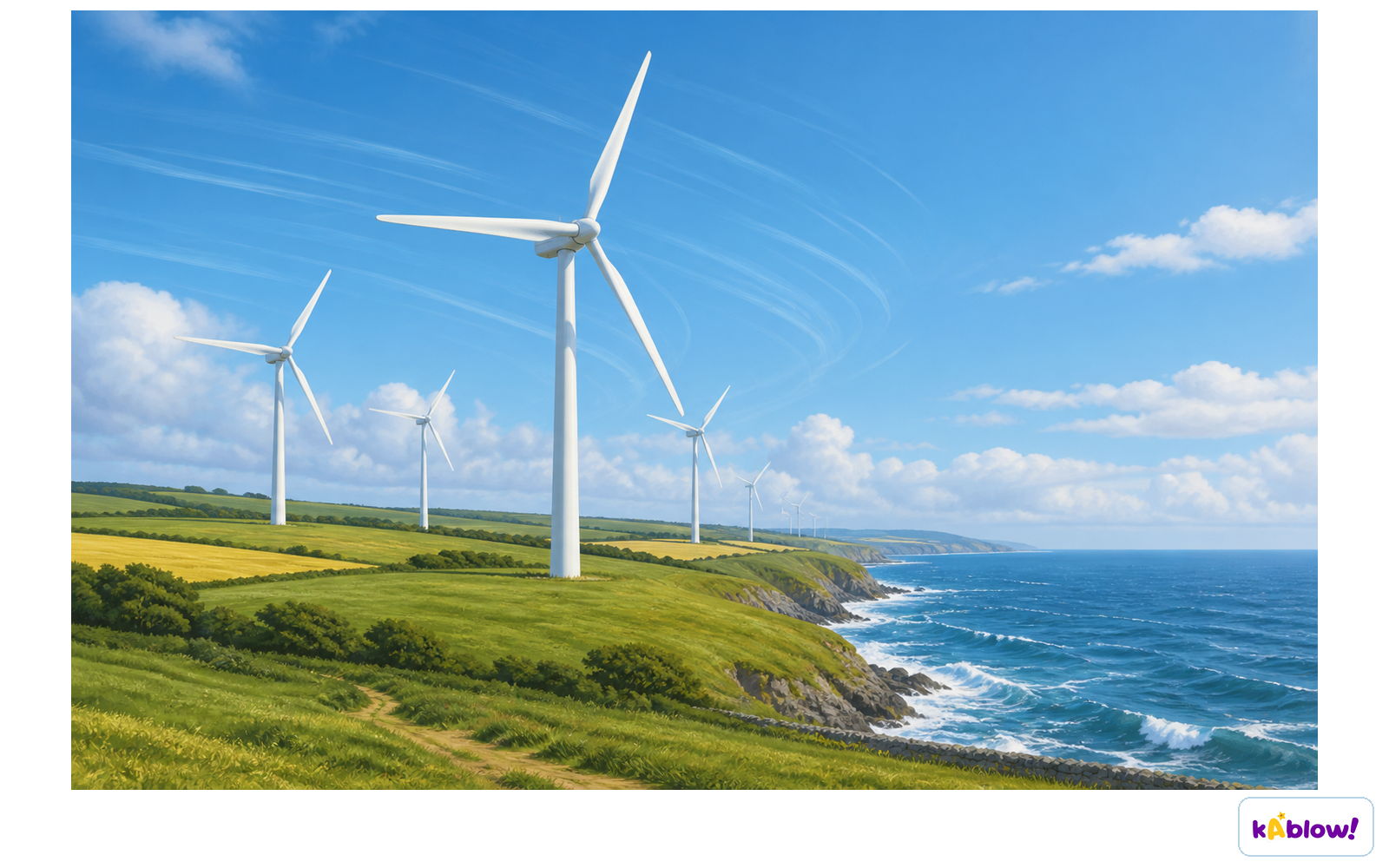
- Wind: kinetic store of moving wind → kinetic store of turbine → kinetic store of generator → transferred electrically to the National Grid.
- Geothermal: cold water is pumped down to hot rocks and returns as steam to turn turbines.
- The only thing that differs between resources is how the turbine is made to turn.
Wind turbines use the kinetic energy of moving air to generate electricity
Comparing and Using Energy Resources
- Each energy resource has advantages and disadvantages for large-scale electricity production.
- Most vehicles run on petroleum products (petrol, diesel, kerosene) from crude oil, a fossil fuel.
- Electric vehicles produce zero carbon emissions while driven, but charging connects to the National Grid, which uses a mix of renewable and non-renewable sources.
- Biofuel is renewable, but the claim that it is carbon-neutral is largely controversial.
- The majority (84%) of the world's energy is still produced by non-renewable, carbon-emitting sources, harming the environment.
- Most homes in cold countries use natural gas central heating, but gas is non-renewable; geologically active countries such as Iceland can use geothermal heating instead.
- Generating energy reliably requires a range of different energy resources.
Folien
Sign up free to view the lesson slides
Step through every slide for this topic — plus flashcards and revision notes — with a free account.
Übungsfragen
Gratis-Vorschau — 8 von 63 Fragen. Registriere dich, um alle zu sehen.
1.Which statement best describes what happens to energy in a closed system?
Easy- AEnergy can be transferred usefully, stored or dissipated, but the total energy never changes
- BEnergy is gradually destroyed as it is dissipated to the surroundings
- CEnergy can be created by friction between moving parts
- DEnergy is only conserved if no energy is wasted
2.Which row correctly defines useful energy and wasted energy?
Easy- AUseful energy serves an intended purpose; wasted energy is not useful for the intended purpose and is dissipated to the surroundings
- BUseful energy is energy that is stored; wasted energy is energy that is destroyed
- CUseful energy is always thermal energy; wasted energy is always kinetic energy
- DUseful energy is energy transferred by heating; wasted energy is energy transferred electrically
3.Energy that is dissipated to the surroundings is destroyed.
EasyTrue or false?
4.A device with an efficiency of 100% would waste no energy at all.
EasyTrue or false?
5.A student calculates the efficiency of a motor as 1.5. Why must this be incorrect?
Medium- AEfficiency cannot be greater than 1 (or 100%) because the useful output can never exceed the total input
- BEfficiency must always be given in joules
- CThe motor must have been switched off
- DEfficiency is always a whole number
6.Which of the following are ways of reducing unwanted energy transfers in a machine? (select all that apply)
Medium- ALubricating the moving parts
- BAdding bearings so components do not rub directly together
- CStreamlining the shape of a moving object
- DIncreasing the current in the circuit
- ETightening loose parts to reduce vibration
7.Which of the following materials would transfer energy by conduction at the highest rate?
Medium- AA metal with high thermal conductivity
- BA metal with low thermal conductivity
- CA gas with low thermal conductivity
- DA non-metal with low thermal conductivity
8.The thicker a material is, the better it insulates and the lower the rate of energy transfer through it.
MediumTrue or false?
Unlock all 63 questions, flashcards & more
Erstelle ein Gratis-Konto, um alle Fragen, Folien, Karteikarten und Lernnotizen zu diesem Thema zu sehen.