Food, energy and cellular respiration
Apprends en jouant
Réponds à ces questions pour gagner de l'énergie, puis pêche et explore. Sans compte.
Notes de leçon
Energy Needs of Organisms
- All living things need energy to survive.
- Plants are producers: they get energy from the sun via photosynthesis and store it as chemical energy in glucose.
- Animals are consumers: they must eat food to obtain energy.
- Food provides both energy and matter for growth and repair.
Cellular Respiration Overview
- Cellular respiration is the process by which cells break down glucose to release stored chemical energy.
- It requires glucose and oxygen.
- We get oxygen by breathing and glucose by eating.
- Respiration occurs in all living organisms, including plants and decomposers.
Getting the ingredients for cellular respiration

Products of Cellular Respiration
- Cellular respiration releases energy, carbon dioxide, and water.
- Energy is the main useful product; carbon dioxide and water are waste products.
- Carbon dioxide is removed from the body by breathing out.
- Water can be felt when breathing on your hand.
Chemical Equation for Respiration
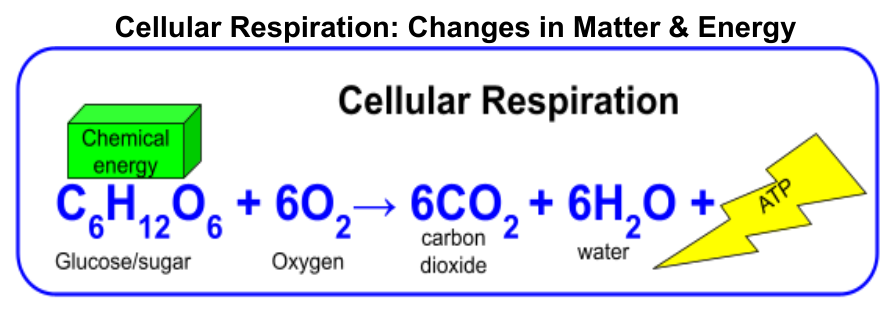
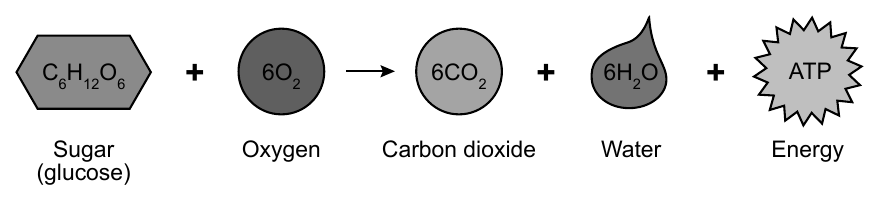
- The equation for respiration is: glucose + oxygen → carbon dioxide + water + energy.
- This is the opposite of photosynthesis in terms of reactants and products.
- Photosynthesis stores energy in glucose; respiration releases that energy.
Cellular respiration: changes in matter and energy
Energy Currency: ATP
- Cellular respiration converts chemical energy in glucose into ATP.
- ATP is the molecule that powers cellular work.
- In animals, ATP energy is converted to mechanical and heat energy.
- This energy enables activities like muscle movement and heart pumping.
Importance of Food: Energy
- Food labels show calories, a measure of energy released by respiration.
- Simple sugars provide quick energy but can lead to a 'crash'.
- Complex carbohydrates take longer to break down, providing sustained energy.
- A balanced diet ensures a constant energy supply.
Importance of Food: Matter
- Food provides matter for growth and repair.
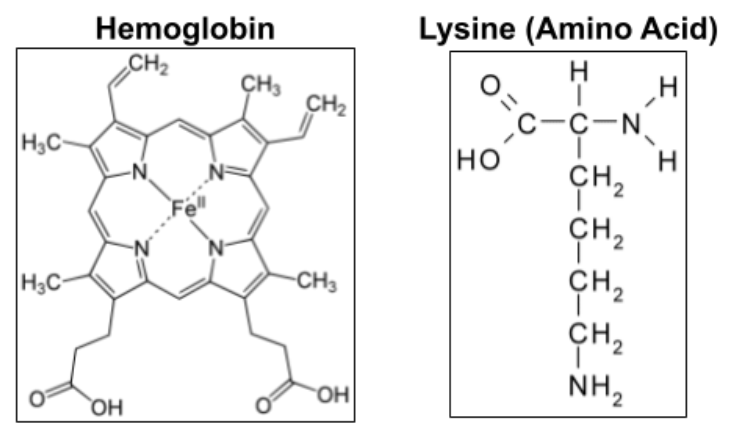
- Proteins are broken into amino acids to build muscles, enzymes, hormones, etc.
- Nutrients like iron are needed for hemoglobin to carry oxygen.
- The atoms from food rearrange to become the molecules of our body.
Molecules built from food
Circulation and Respiration Link
- Blood carries oxygen and glucose to cells, and carries carbon dioxide away from them.
- Cellular respiration itself happens inside mitochondria within each cell.
- The heart keeps blood moving so this delivery and removal can continue nonstop.
Testing for Carbon Dioxide
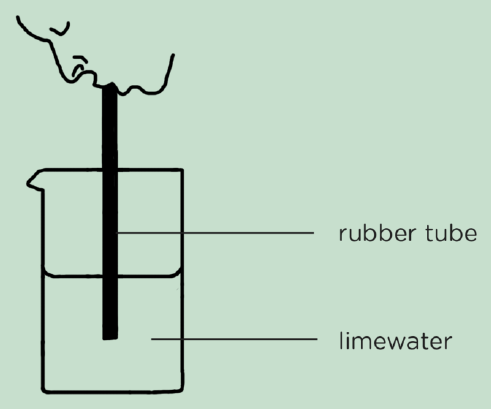
- Carbon dioxide can be detected using limewater.
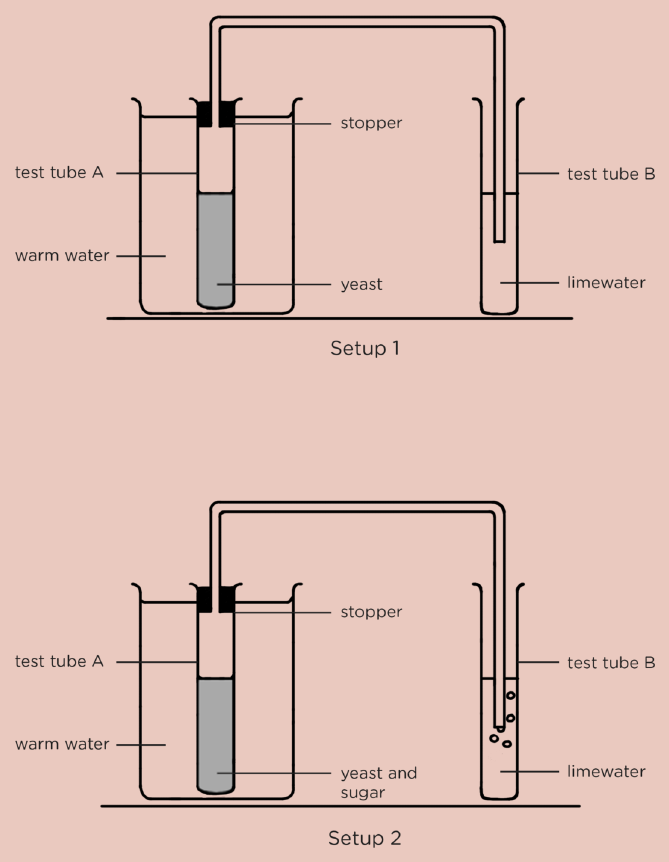
- Bubbling gas through clear limewater turns it milky if CO2 is present.
- Human breath contains CO2 from respiration.
- Atmospheric air has very little CO2 (0.03%).
Testing breath for carbon dioxide with limewater
Respiration vs. Breathing
- Breathing is the physical act of inhaling and exhaling air.
- Respiration is the metabolic process that releases energy from glucose.
- Breathing supplies oxygen for respiration and removes carbon dioxide.
- Do not confuse the two terms.
Diapos
Sign up free to view the lesson slides
Step through every slide for this topic — plus flashcards and revision notes — with a free account.
Questions d'entraînement
Aperçu gratuit — 8 sur 39 questions. Inscris-toi pour toutes les voir.
1.What is the main purpose of cellular respiration?
Easy- ATo release energy from glucose
- BTo produce glucose
- CTo absorb sunlight
- DTo exchange gases
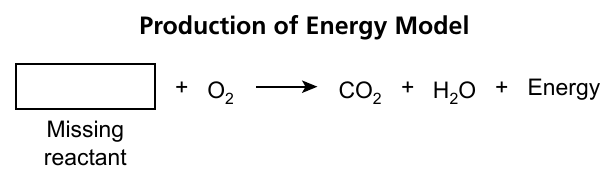
2.A student eats cereal with milk for breakfast. The food is broken down and used in the student's cells during cellular respiration. An incomplete model of the reaction is shown: two reactants react to form carbon dioxide, water, and energy. Which pair of reactants correctly completes the model?
Medium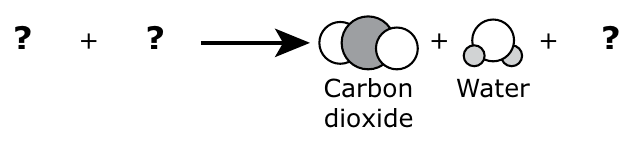
- AFood molecule + oxygen → carbon dioxide + water + energy
- BOxygen + energy → carbon dioxide + water + food molecule
- CEnergy + food molecule → carbon dioxide + water + oxygen
- DFood molecule + energy → carbon dioxide + water + energy
3.Cellular respiration occurs only in animals.
EasyTrue or false?
4.Which of the following is NOT a product of cellular respiration?
Easy- AGlucose
- BCarbon dioxide
- CWater
- DEnergy
5.Breathing and respiration are the same thing.
EasyTrue or false?
6.Which molecule is the main energy currency of the cell?
Easy- AATP
- BGlucose
- CCarbon dioxide
- DOxygen
7.Which of the following is a by-product of respiration that is removed by breathing out?
Medium- ACarbon dioxide
- BOxygen
- CGlucose
- DATP
8.Plants do not undergo cellular respiration because they make their own food.
EasyTrue or false?
Unlock all 39 questions, flashcards & more
Crée un compte gratuit pour voir toutes les questions, les diapos, les cartes mémo et les notes de révision de ce thème.