Acids, bases and alkalis
Belajar sambil bermain
Jawab soal-soal ini untuk dapat energi, lalu memancing dan menjelajah. Tanpa akun.
Catatan pelajaran
Acids and Their Properties
- Acids are a group of chemicals with a sharp taste, found in foods like lemons and vinegar.
- Our stomach contains hydrochloric acid to help digest food.
- Strong acids can be hazardous and labelled with symbols: irritant, toxic, or corrosive.
- Common lab acids include hydrochloric acid (HCl), sulfuric acid (H₂SO₄), and nitric acid (HNO₃).
The pH Scale
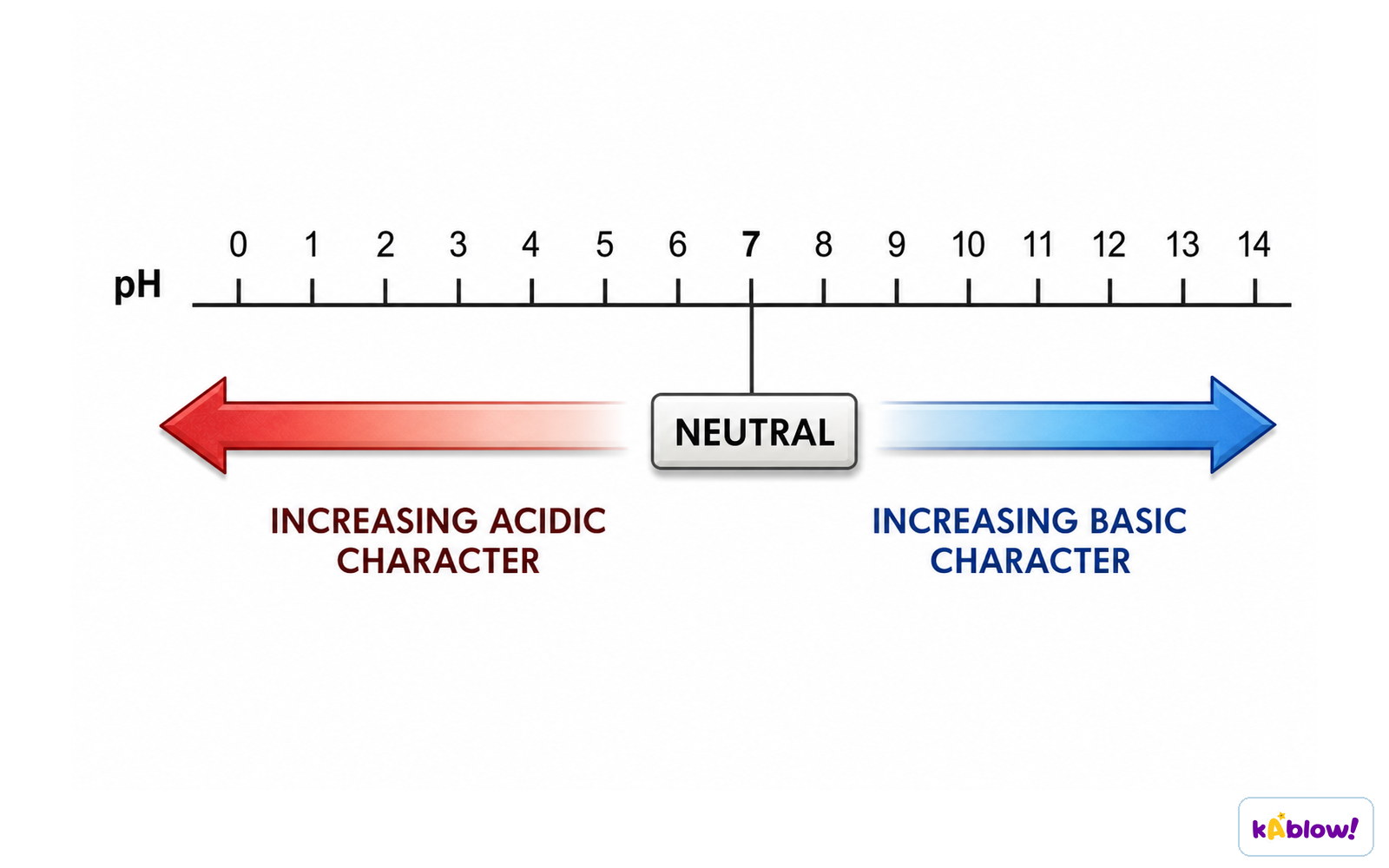
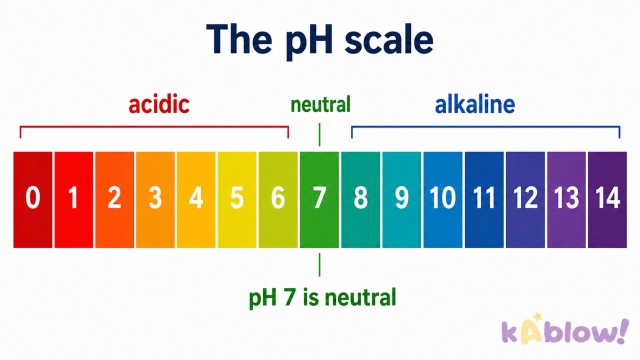
- The pH scale ranges from 0 to 14 and measures how acidic or alkaline a substance is.
- Acids have a pH less than 7; lower pH means stronger acid.
- A substance with pH 7 is neutral (e.g., pure water).
- Alkalis have a pH greater than 7; higher pH means stronger alkali.
pH 7 is neutral. Acidic character increases towards pH 0, while basic character increases towards pH 14.
Bases and Alkalis
- A base is a substance that neutralises an acid.
- If a base is soluble in water, it is called an alkali.
- Common alkalis include soap and bleach.
- Lab alkalis include sodium hydroxide (NaOH), potassium hydroxide (KOH), and calcium hydroxide (Ca(OH)₂).
Neutralisation
- Neutralisation is a chemical reaction where an acid and a base react to produce a neutral solution (pH 7).
- It raises the pH of an acid or lowers the pH of an alkali to 7.
Hazard Symbols
- Irritant – causes skin/eye irritation.
- Toxic – harmful to health.
- Corrosive – damages materials it contacts.
The pH scale
Bases and alkalis
Slide
Sign up free to view the lesson slides
Step through every slide for this topic — plus flashcards and revision notes — with a free account.
Soal latihan
Pratinjau gratis — 8 dari 60 soal. Daftar untuk melihat semuanya.
1.Which of the following is true about acids?
Easy- ASome foods are acidic.
- BAcids have a pH greater than 7.
- CAcids are always safe to handle.
- DAcids have a pH of exactly 7.
2.What is the pH of a neutral substance?
Easy- A0
- B7
- C14
- D1
3.What does a base do to an acid?
Easy- ANeutralises it
- BMakes it stronger
- CIncreases its pH above 7
- DTurns it into an alkali
4.Which of the following is an example of an alkali?
Easy- AHydrochloric acid
- BPure water
- CSodium hydroxide
- DLemon juice
5.What is the pH range for acids?
Easy- A0 to 6
- B7 to 14
- C0 to 14
- D8 to 14
6.Which of the following is a hazard symbol associated with strong acids?
Easy- AFlammable
- BCorrosive
- CRadioactive
- DOxidising
7.A student tests a substance with pH paper and gets a pH of 9. What is the substance?
Medium- AA strong acid
- BA weak acid
- CA weak alkali
- DA strong alkali
8.What is the difference between a base and an alkali?
Medium- AAn alkali is a soluble base.
- BA base is a soluble alkali.
- CThey are the same thing.
- DBases have pH less than 7, alkalis have pH greater than 7.
Unlock all 60 questions, flashcards & more
Buat akun gratis untuk melihat setiap soal, slide, kartu flash, dan catatan ulasan topik ini.