Ecosystem stability and change
Belajar sambil bermain
Jawab soal-soal ini untuk dapat energi, lalu memancing dan menjelajah. Tanpa akun.
Catatan pelajaran
Ecosystem Balance
- Ecosystem balance refers to the number of animals an area can support for long periods.
- If the balance is upset, the whole system could fail.
- All organisms rely on resources the area can supply; any area can only support a limited number of animals.
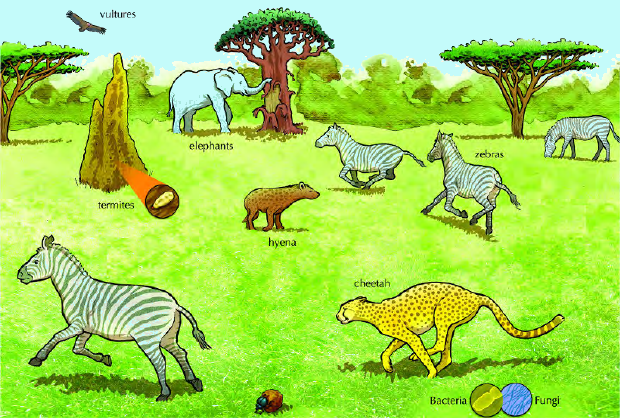
- If all grass and trees die, herbivores like zebra and elephants would die, and then carnivores like cheetah and hyena would also die.
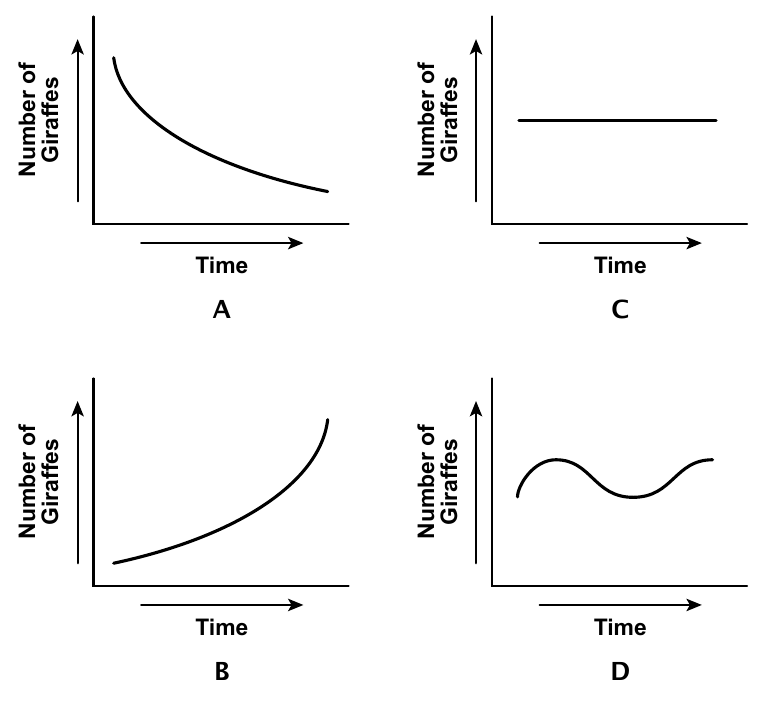
- Population growth of species over time is a factor used to see if an ecosystem is balanced.
Limiting Factors
- Limiting factors are resources that limit the growth of a population, such as food, water, space, light, nutrients, oxygen, disease, temperature, and predation.
- Low food supply or lack of space are examples of limiting factors that can cause population decline.
- When resources are limited, populations may decline due to less offspring, higher death rates, or emigration.
- Human activities like pesticides, herbicides, and habitat destruction can also limit population growth.
- Weather can be a limiting factor; for example, rainfall limits reproduction of the Agave Americana plant.
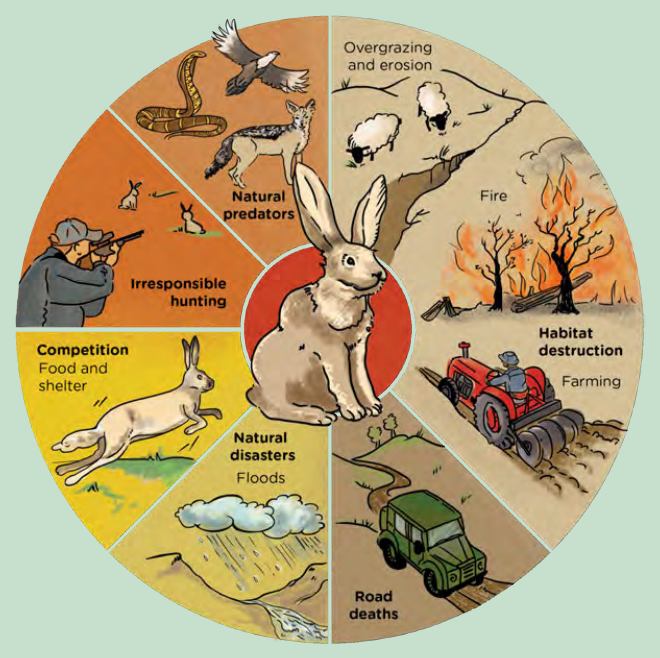
Limiting factors threatening the Riverine Rabbit population
Carrying Capacity
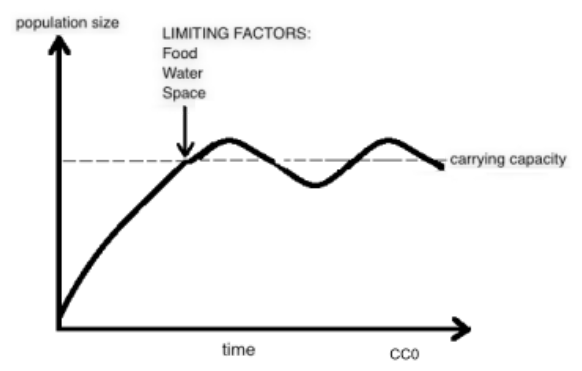
- Carrying capacity is the population size that an ecosystem can support indefinitely.
- When population is small, resources are plentiful, birth rates are high.
- As population increases, resources decrease, leading to higher death rates and lower birth rates.
- Population levels off at carrying capacity when birth and death rates become stable.
Population size levelling off at carrying capacity
Natural Factors Disrupting Ecosystems
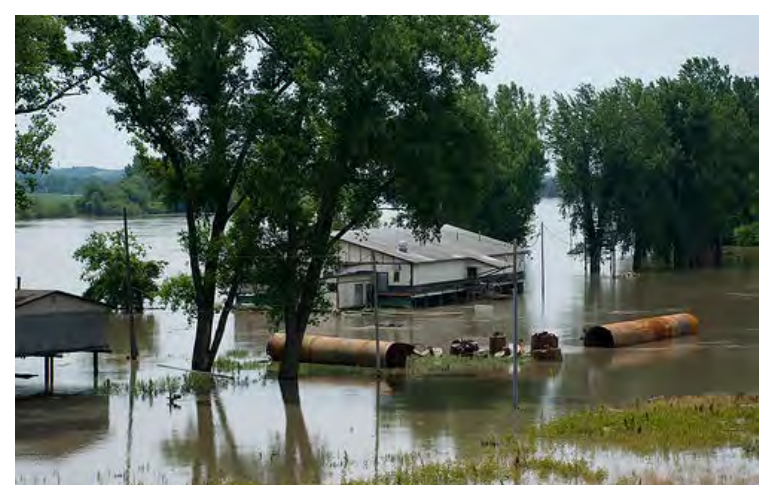
- Natural disasters like floods, hurricanes, and droughts can severely disrupt ecosystems.
- Ecosystems may recover from sudden natural disasters, but long-term changes like climate change may cause irreversible damage.
- The extinction of dinosaurs is theorized to be due to a sudden climate change caused by a meteor strike.
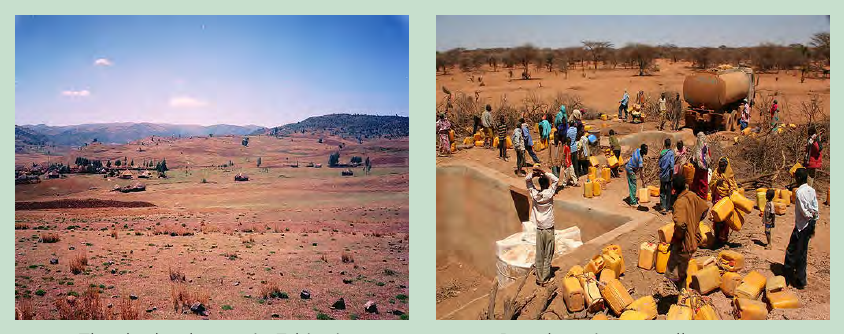
- Droughts and famines can cause death of many organisms, especially species dependent on water for reproduction like amphibians.
The dry landscape in Ethiopia and people collecting water during a drought and famine
Human Factors Disrupting Ecosystems
- Modern humans have a huge impact on nature through land clearing, pollution, waste, and litter.
- Poaching and over-harvesting of animals cause lasting damage to ecosystems.
- Over-hunting of small animals can force carnivores to prey on domestic animals, leading to further killing.
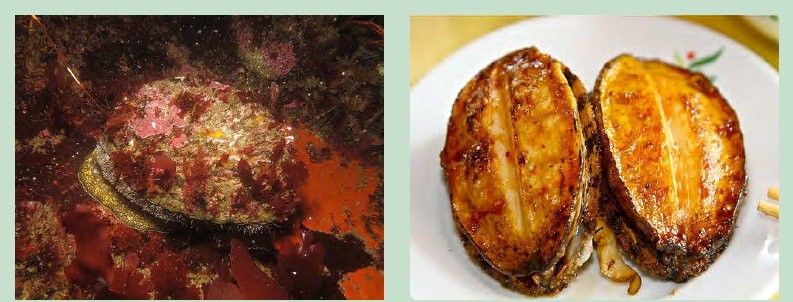
- Poaching of species like abalone (perlemoen) and Mopani worms can lead to local extinction and disrupt food chains.
- The Riverine Rabbit is critically endangered due to habitat destruction and human invasion.
Abalone (perlemoen) in its natural environment and served as a delicacy
Pollution
- Pollution is a major human-caused disruption to ecosystems.
- Types of pollution include water pollution, air pollution, and land pollution.
- Pollution can harm organisms directly and degrade habitats.
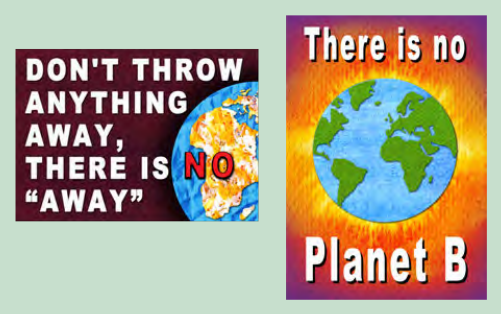
- Individuals can reduce pollution by changing habits and reducing waste.
Posters encouraging reduction of pollution
Case Study: Yellowstone Wolves
- In the early 1900s, wolves were killed off in Yellowstone, leading to elk overpopulation and decline of aspen trees.
- Reintroduction of wolves in 1995 allowed aspen to regrow, increasing biodiversity.
- Wolves controlled elk populations, which allowed vegetation to recover, benefiting beavers and other species.
- The return of wolves also affected coyote populations, increasing rabbits and mice, which supported hawks, foxes, and badgers.
- This case shows how changes in one population can affect many others in the ecosystem.
Food Chains and Food Webs
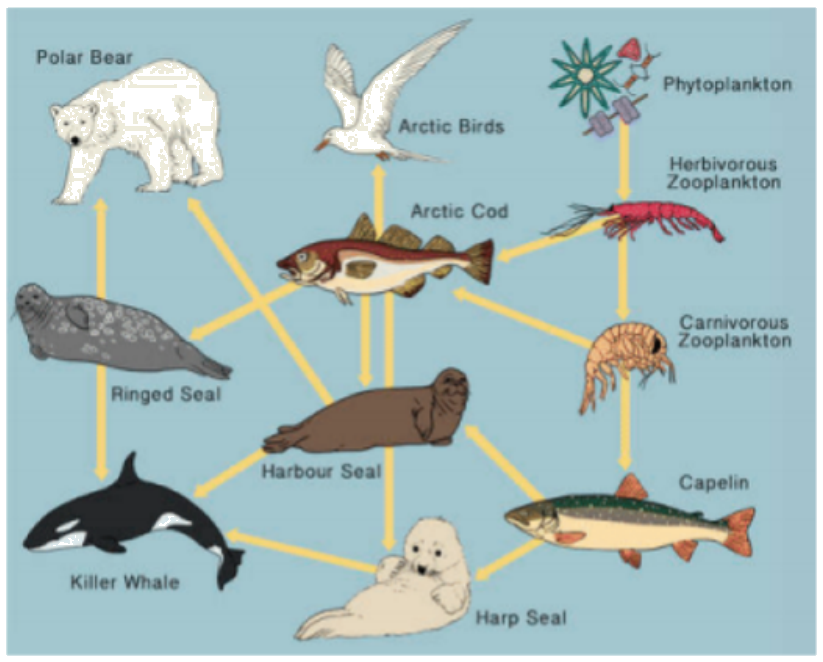
- A food chain shows the flow of energy from one organism to the next.
- A food web is a network of interconnected food chains.
- Most organisms eat multiple things, so food webs are more realistic.
- All organisms depend on two global food webs: aquatic (based on phytoplankton) and land (based on plants).
- Humans are top predators in both food webs.
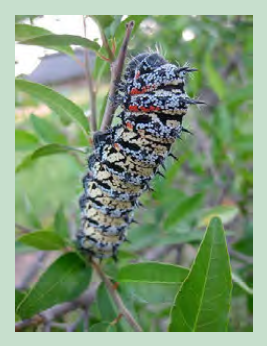
A caterpillar feeding on a plant
Energy Flow
- Energy flows through an ecosystem: from the sun, to producers, to consumers — unlike matter, it is not recycled.
- Some energy is lost as heat at every step of a food chain, so fewer organisms can be supported at each higher level.
- If a disruption removes producers or breaks a link in a food chain, the flow of energy to the rest of the ecosystem is disrupted too.
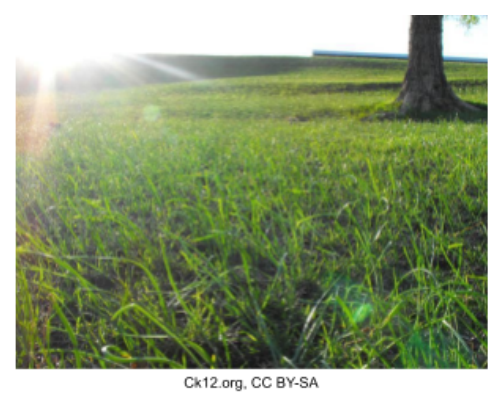
Sunlight over a grassy field, illustrating the sun as the primary energy source for ecosystems
Stability and Change
- Stability of populations is affected by changes to living and nonliving components of an ecosystem.
- Small changes can cause large effects elsewhere in the ecosystem.
- Natural and human disruptions can cause imbalances, but ecosystems may find a new balance.
- Every part of an ecosystem has a role; removing one part can have cascading effects.
- Nature tries to adjust to disruptions, but sometimes new balances cannot be found.
Slide
Sign up free to view the lesson slides
Step through every slide for this topic — plus flashcards and revision notes — with a free account.
Soal latihan
Pratinjau gratis — 8 dari 43 soal. Daftar untuk melihat semuanya.
1.What is the main source of energy for most ecosystems?
Easy- AThe sun
- BThe moon
- CWind
- DSoil nutrients
2.Which of the following is a natural factor that can disrupt a balanced ecosystem?
Easy- AFlooding
- BDeforestation
- CPollution
- DPoaching
3.What is the term for the maximum population size that an ecosystem can support over a long period?
Easy- ACarrying capacity
- BLimiting factor
- CPopulation growth
- DBiodiversity
4.Which of the following are limiting factors in an ecosystem? (Select all that apply)
Easy- AFood
- BWater
- CPredation
- DCarrying capacity
- EBiodiversity
5.Match the term to its definition.
Easy- Producer
- Consumer
- Decomposer
- Makes its own food
- Eats other organisms
- Breaks down dead organisms
6.Arrange the following events in the order they occurred in Yellowstone National Park after wolves were removed.
Easy- Elk populations increased
- Aspen tree populations declined
- Wolves were killed
- Beavers left the park
7.What happened to the elk population when wolves were removed?
Medium- AIt increased
- BIt decreased
- CIt stayed the same
- DIt became extinct
8.The reintroduction of wolves increased the biodiversity of Yellowstone National Park.
MediumTrue or false?
Unlock all 43 questions, flashcards & more
Buat akun gratis untuk melihat setiap soal, slide, kartu flash, dan catatan ulasan topik ini.