Geologic time and rock strata
Belajar sambil bermain
Jawab soal-soal ini untuk dapat energi, lalu memancing dan menjelajah. Tanpa akun.
Catatan pelajaran
Key Principles of Relative Dating
- Superposition: In sedimentary rock layers, the oldest layers are at the bottom and the youngest are on top.
- Original horizontality: Sediments are deposited horizontally, so sedimentary rock layers are originally horizontal.
- Uniformitarianism: Natural laws and processes that operate today also operated in the past; we can use present-day observations to interpret ancient rocks.
- Unconformities: Gaps in the rock record representing time when no sediments were preserved, often due to weathering and erosion.
Interpreting Rock Layers
- Sedimentary rocks form in layers, with each layer representing a period of deposition.
- The type of rock and its structure can indicate the environment of deposition (e.g., terrestrial, marine, shallow or deep water).
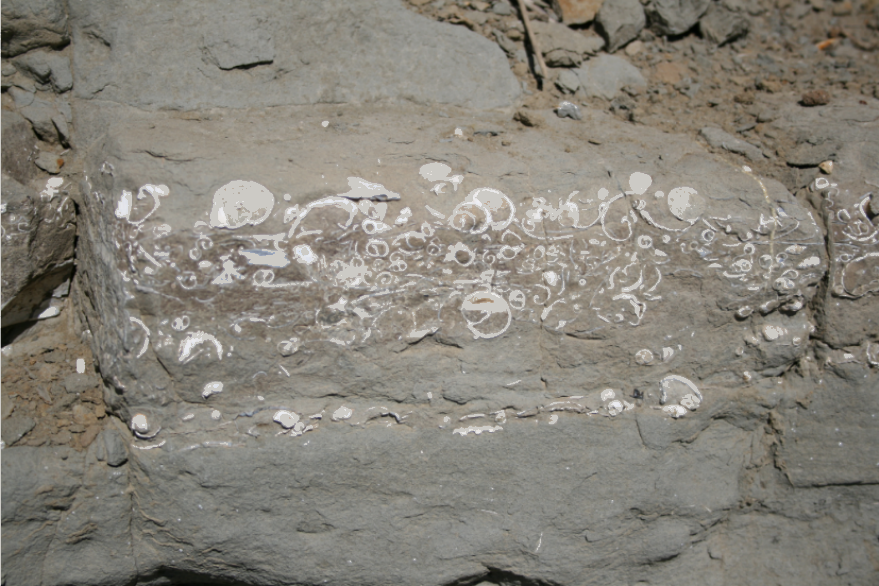
- Fossils within layers provide clues about past climates, plate motions, and geological events.
- Marine fossils found on mountains indicate that seafloor rocks were uplifted.
Using Fossils for Relative Dating
- Fossils in younger rocks resemble modern organisms; fossils in older rocks are less similar.
- The fossil record shows how life on Earth has changed over time.
- Fossils help scientists determine the relative ages of rock layers (biostratigraphy).
- The type of fossil can indicate the environment (e.g., marine vs. terrestrial).
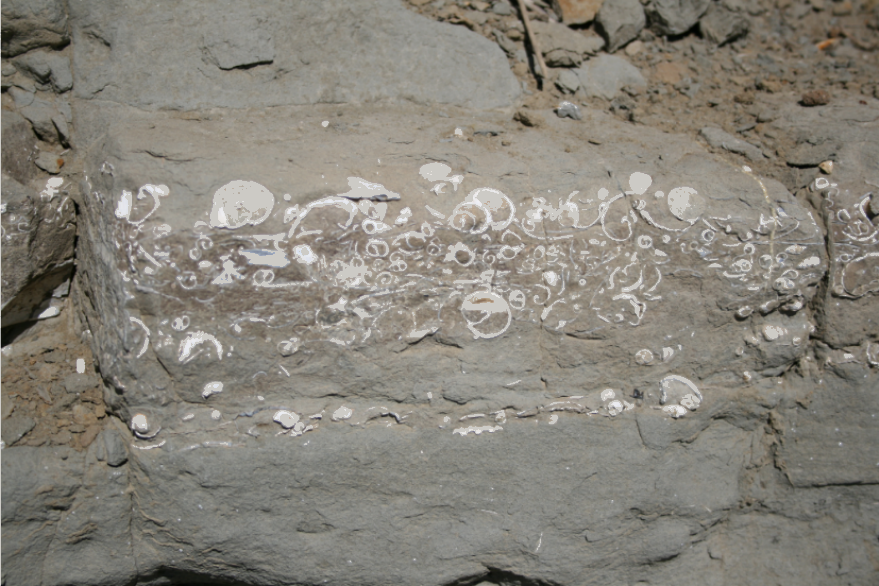
Fossils embedded in rock layers
Unconformities
- An unconformity is a gap in the geologic record where some layers are missing.
- It represents a period of erosion or non-deposition.
- Recognizing unconformities helps geologists identify missing time intervals.
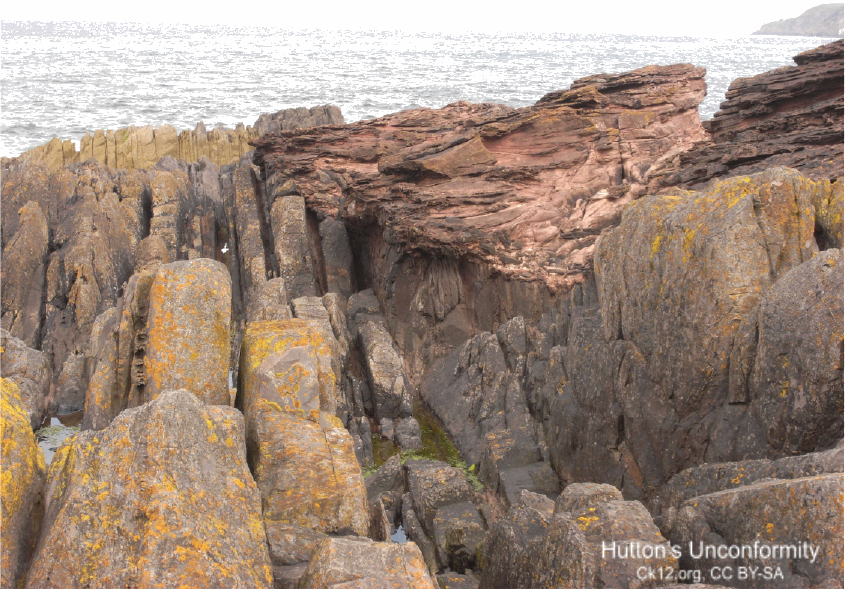
- James Hutton's unconformity in Scotland is a famous example where rock formations of different ages adjoin.
Hutton's Unconformity
Applying Principles to a Canyon
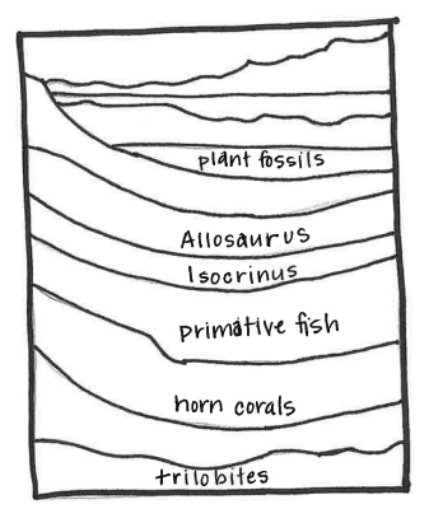
- In a canyon, the oldest layer is at the bottom, and the youngest is at the top.
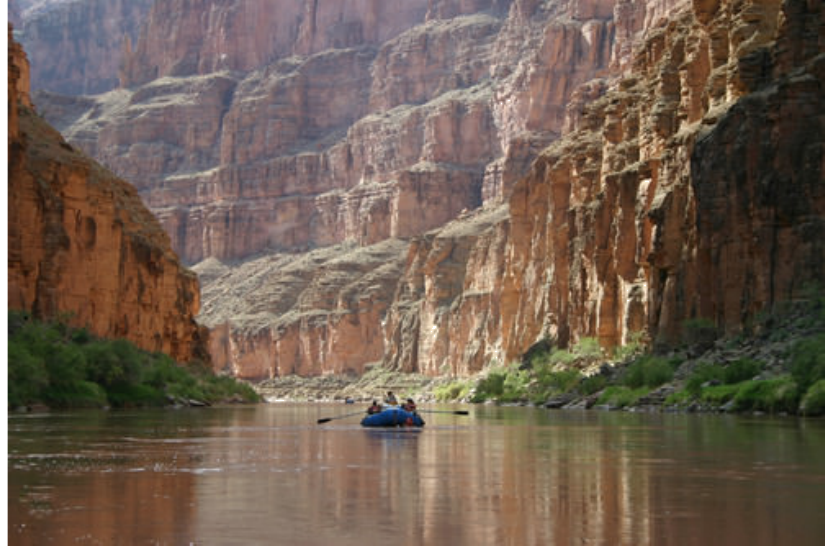
- The river cutting through the canyon exposes the layers, allowing observation.
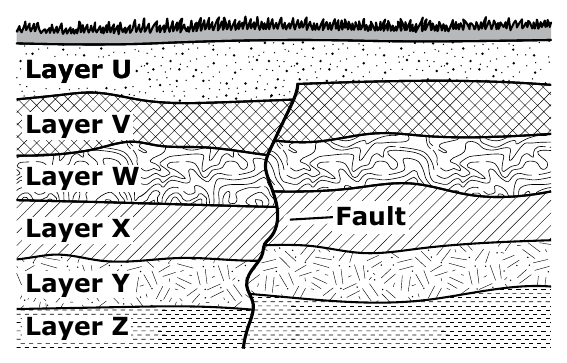
- If layers are not horizontal, they have been deformed by tectonic forces.
- An unconformity would be present if there is a gap in the rock record, indicated by missing layers or an irregular boundary.
Constructing Geologic History
- Geologists combine superposition, uniformitarianism, unconformities, and fossil evidence to build a timeline of Earth's history.
- The geologic time scale is a well-defined timeline based on relative dating and increasingly accurate age estimates.
- Evidence from rock strata and fossils from around the world contribute to this timeline.
- Understanding geologic history helps explain the formation of features like canyons.
Formation of Canyons
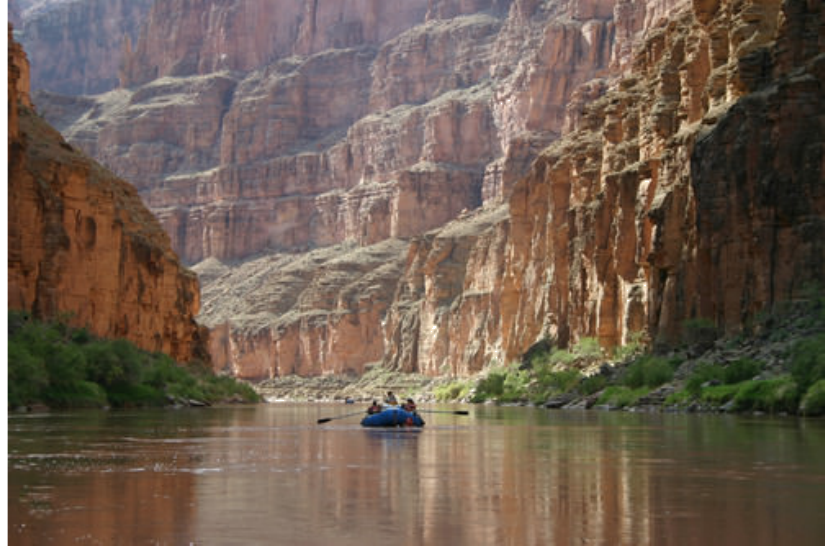
- Canyons are formed by rivers cutting through sedimentary rock layers over long periods.
- The V-shape of a canyon indicates downcutting by a river.
- The layers exposed in canyon walls reveal the sequence of deposition and any deformation.
- The time for canyon formation is vast, involving millions of years of erosion.
A river cutting through sedimentary rock layers, forming a canyon.
Evidence for Earth's Age
- The geologic time scale provides evidence for the age of Earth, which is about 4.6 billion years.
- Geologists build the geologic time scale by combining superposition, uniformitarianism, unconformities, and fossil evidence gathered from sites around the world.
- The fossil record and rock strata are key evidence for constructing Earth's history.
- Uniformitarianism allows scientists to infer past processes from present-day observations.
Slide
Sign up free to view the lesson slides
Step through every slide for this topic — plus flashcards and revision notes — with a free account.
Soal latihan
Pratinjau gratis — 8 dari 37 soal. Daftar untuk melihat semuanya.
1.According to the principle of superposition, in an undisturbed sequence of sedimentary rock layers, which layer is the oldest?
Easy- AThe top layer
- BThe bottom layer
- CThe middle layer
- DThe thickest layer
2.Which principle states that natural laws and processes that operate on Earth today also operated in the past?
Easy- ASuperposition
- BUniformitarianism
- COriginal horizontality
- DCross-cutting relationships
3.What is the term for a gap in the geologic rock record caused by weathering and erosion?
Easy- AFault
- BFold
- CUnconformity
- DJoint
4.Which of the following are principles used in relative dating? (select all that apply)
Easy- ASuperposition
- BUniformitarianism
- CRadiometric dating
- DRecognizing unconformities
- EOriginal horizontality
5.Sedimentary rock layers are originally deposited vertically.
EasyTrue or false?
6.Fossils found in older rocks are generally less similar to modern organisms than fossils in younger rocks.
EasyTrue or false?
7.Match each sedimentary rock rule to its description.
Medium- Superposition
- Original horizontality
- Unconformities
- Oldest layers at the bottom, youngest on top
- Layers are initially deposited horizontally
- Gaps in time in the rock record due to weathering and erosion
8.Arrange the following events in the order they occurred to form an unconformity in a sedimentary sequence. Start with the earliest event.
Medium- Deposition of older sedimentary layers
- Weathering and erosion removes some layers
- Deposition of younger layers on top
Unlock all 37 questions, flashcards & more
Buat akun gratis untuk melihat setiap soal, slide, kartu flash, dan catatan ulasan topik ini.