Diseases & Immunity
플레이하며 배우기
이 문제들을 풀어 에너지를 얻은 뒤 낚시하고 탐험하세요. 계정이 필요 없어요.
수업 노트
Pathogens & Barriers
- A pathogen is a disease-causing organism (e.g. bacterium, virus, fungus).
- Diseases caused by pathogens are transmissible – passed from host to host.
- Transmission can be direct (body fluids: HIV, gonorrhoea) or indirect (air droplets, contaminated food/water, vectors like mosquitoes).
- Mechanical barriers: skin (blocks entry, heals with scab), hairs in nose (trap pathogens).
- Chemical barriers: mucus (traps pathogens, removed by coughing/swallowing), stomach acid (HCl kills pathogens).
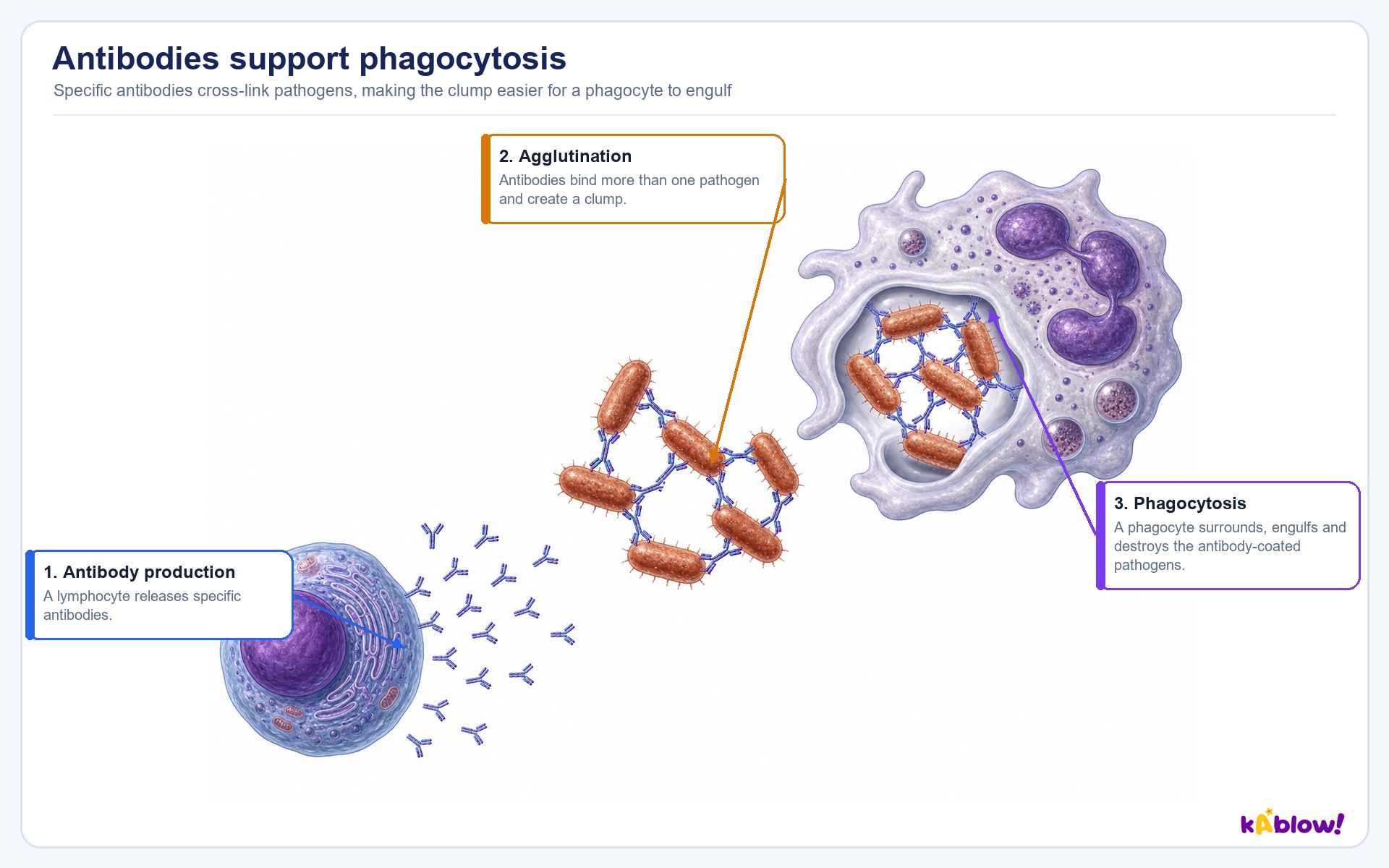
- Cellular defences: white blood cells – phagocytes engulf pathogens (phagocytosis); lymphocytes produce antibodies.
Antibodies and phagocytes
Controlling the Spread of Disease
- Clean water supply prevents waterborne diseases like cholera.
- Hygienic food preparation (washing hands, proper cooking) reduces contamination.
- Personal hygiene (soap, tissues for sneezes/coughs) limits colds and flu.
- Waste disposal (sealed bins) reduces vectors like flies.
- Sewage treatment removes pathogens before release into environment.
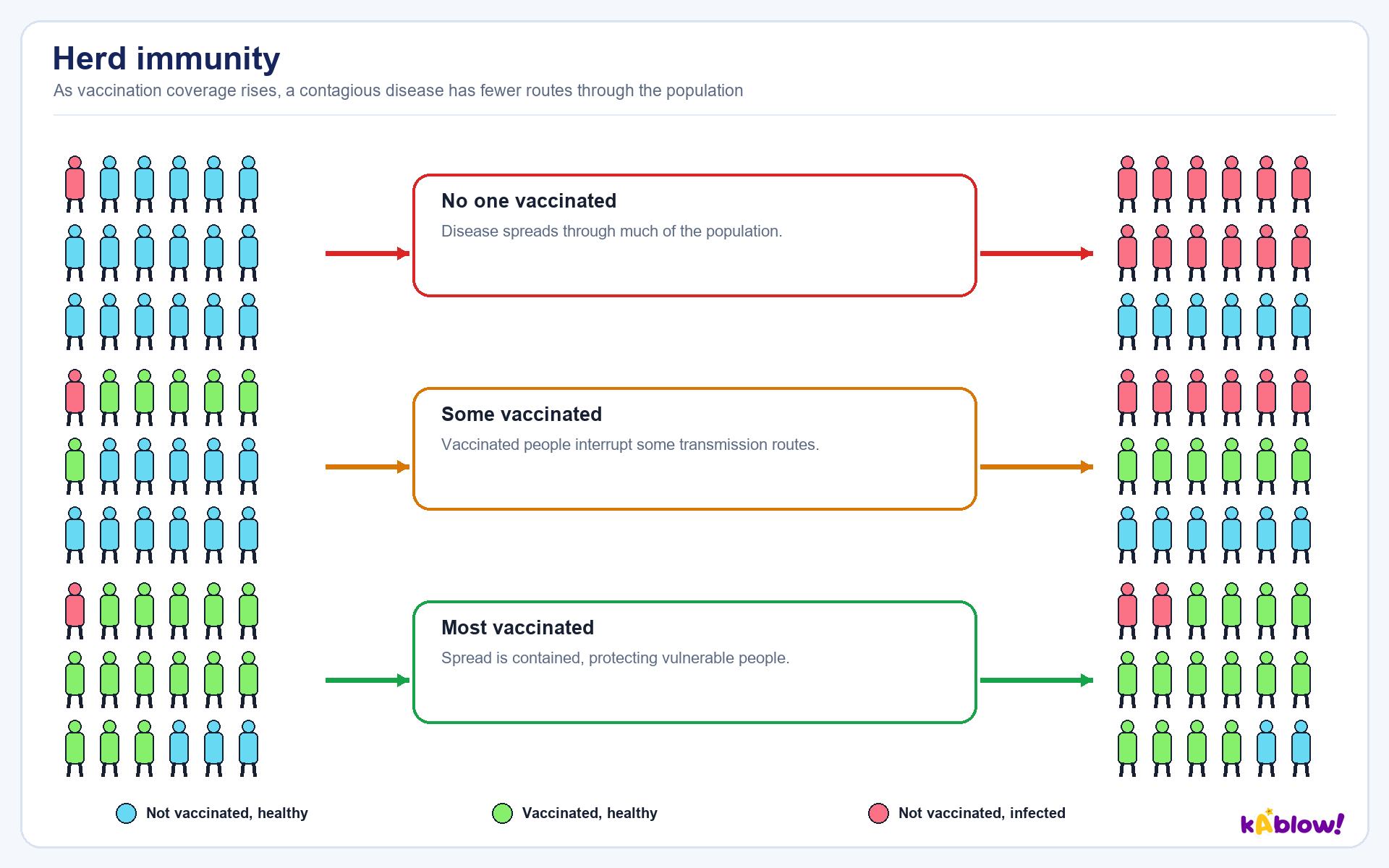
- Vaccination can also reduce transmission, helping protect people who are not immune.
Herd immunity
Active Immunity (Extended)
- Active immunity: body makes its own antibodies and memory cells after exposure to a pathogen or vaccination.
- Slow-acting but provides long-lasting protection.
- Can be acquired naturally (infection) or artificially (vaccination).
Antigens & Antibodies (Extended)
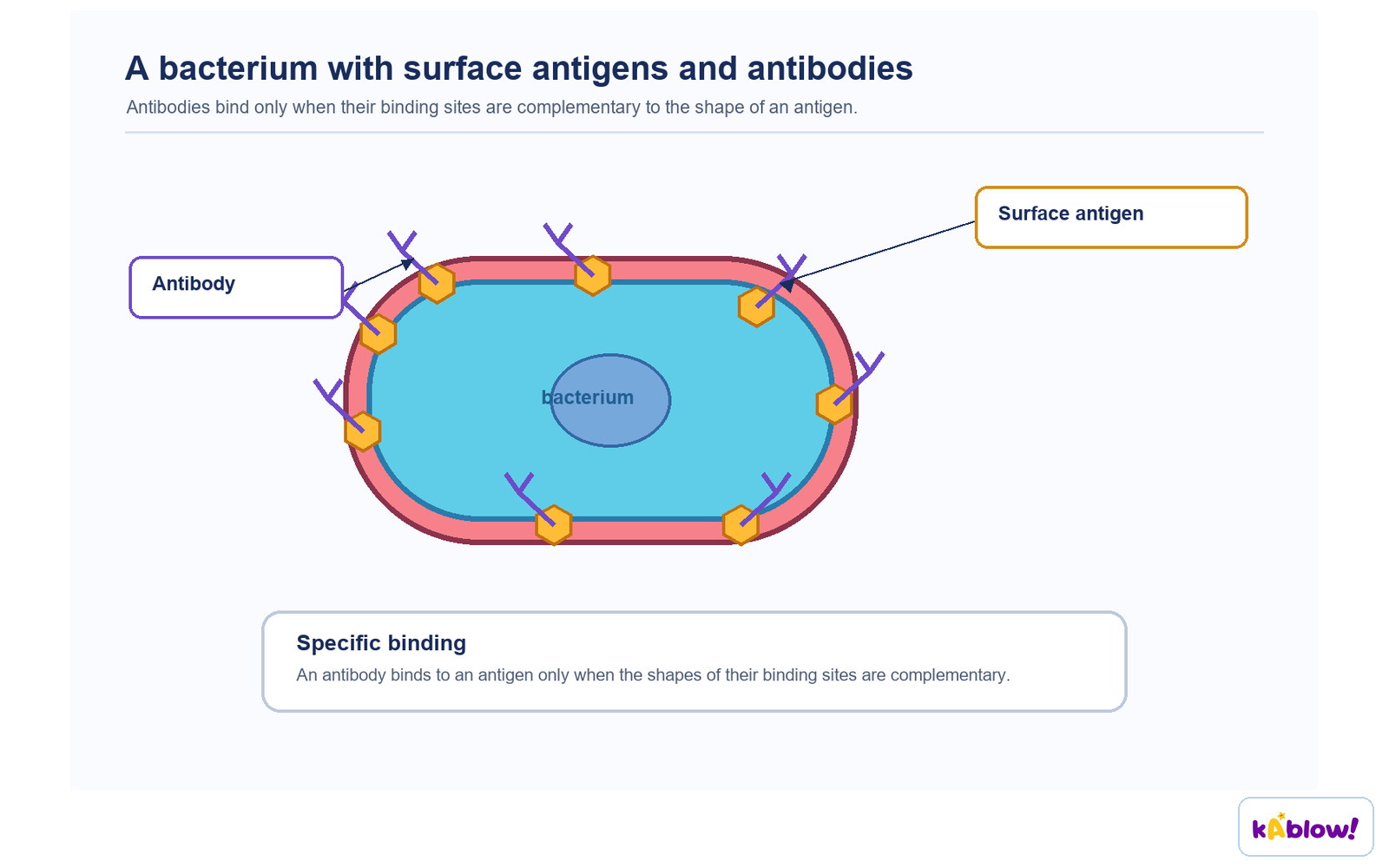
- Antigens are molecules (e.g. proteins) on cell surfaces; they are unique to each individual/pathogen.
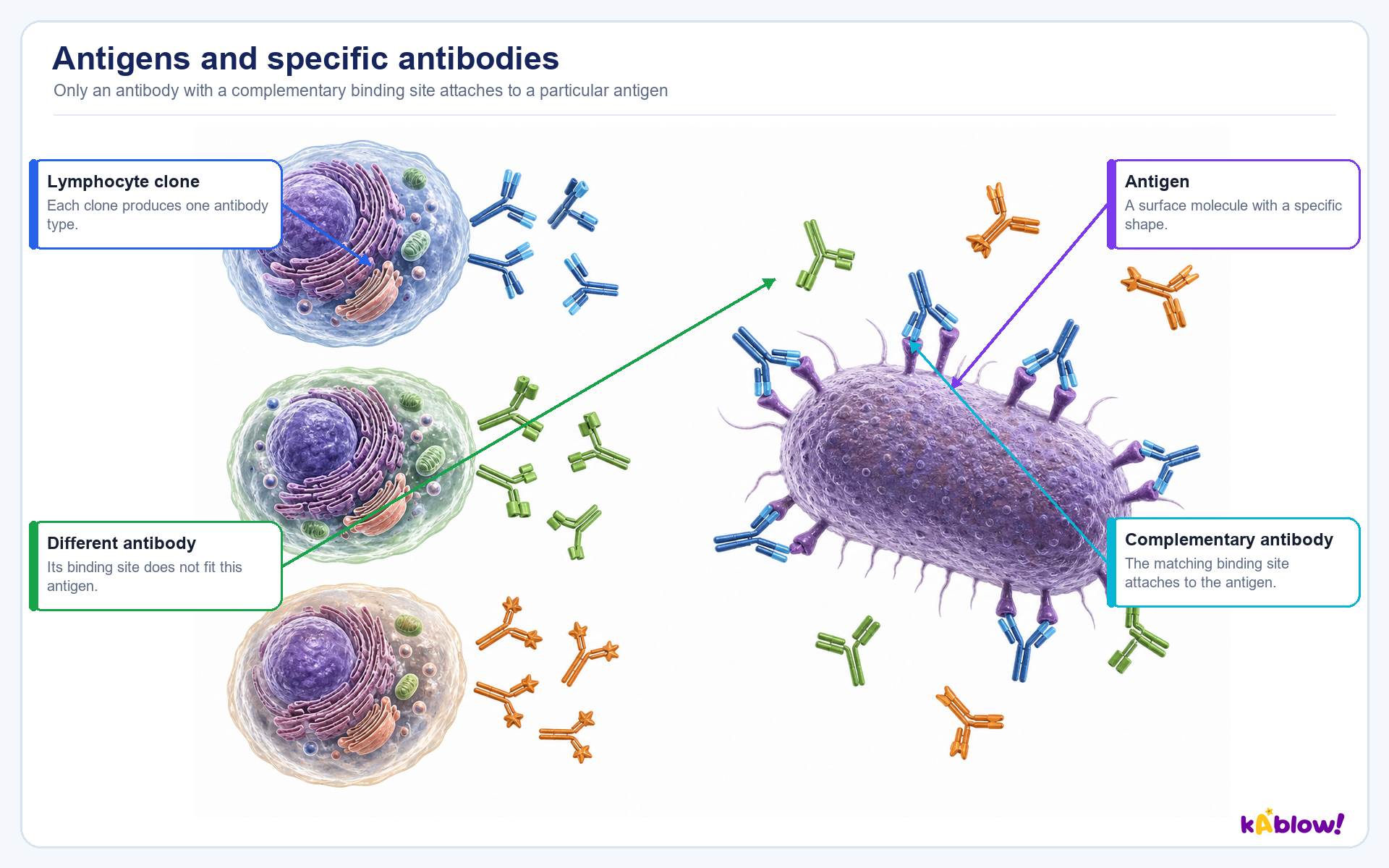
- Lymphocytes recognise foreign antigens and produce antibodies – proteins complementary in shape to the antigen.
- Antibodies cause agglutination (clumping) of pathogens, making them easier for phagocytes to engulf.
- Memory cells remain after infection; on reinfection, they trigger rapid antibody production – person is immune.
- Some pathogens mutate and change antigens, so memory cells may not recognise them.
Lymphocytes produce antibodies specific to an antigen
Vaccination (Extended)
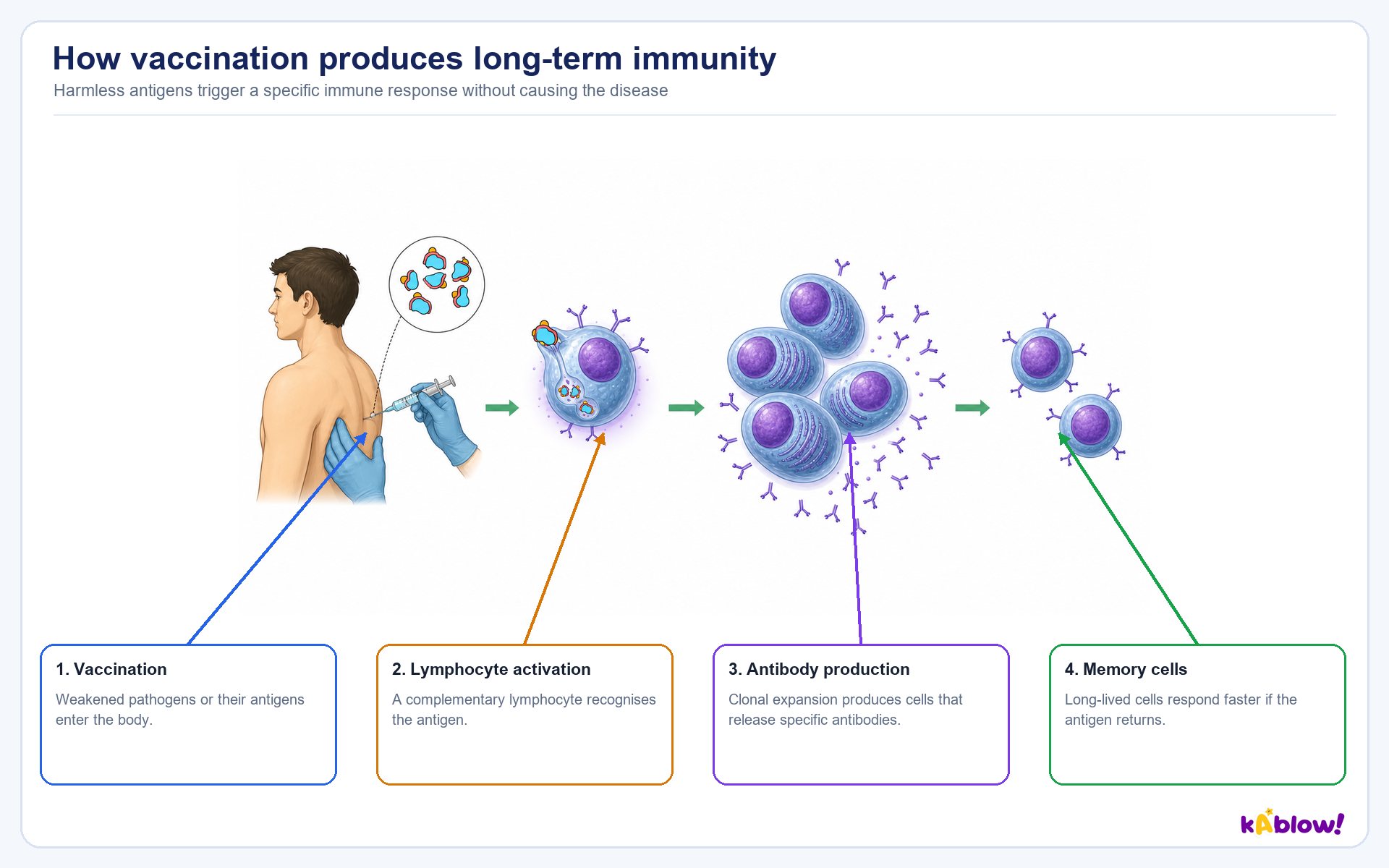
- Vaccines contain a dead or weakened form of a pathogen (with antigens) that cannot cause disease.
- They stimulate lymphocytes to produce antibodies and memory cells without causing illness.
- Vaccination gives active immunity – long-lasting protection.
- Herd immunity: when a high % of the population is vaccinated, the pathogen has few hosts, protecting the unvaccinated.
- Smallpox was eradicated in 1980 by a global vaccination programme.
How a vaccine produces long-term immunity
Passive Immunity & Breastfeeding
- Passive immunity: antibodies are acquired from another individual – fast-acting but short-term (no memory cells).
- Antibodies pass from mother to infant via breast milk (colostrum), protecting the baby until its own immune system matures.
- The body does not produce its own antibodies or memory cells in passive immunity.
Cholera
- Cholera is caused by Vibrio cholerae bacteria, transmitted via contaminated water/food.
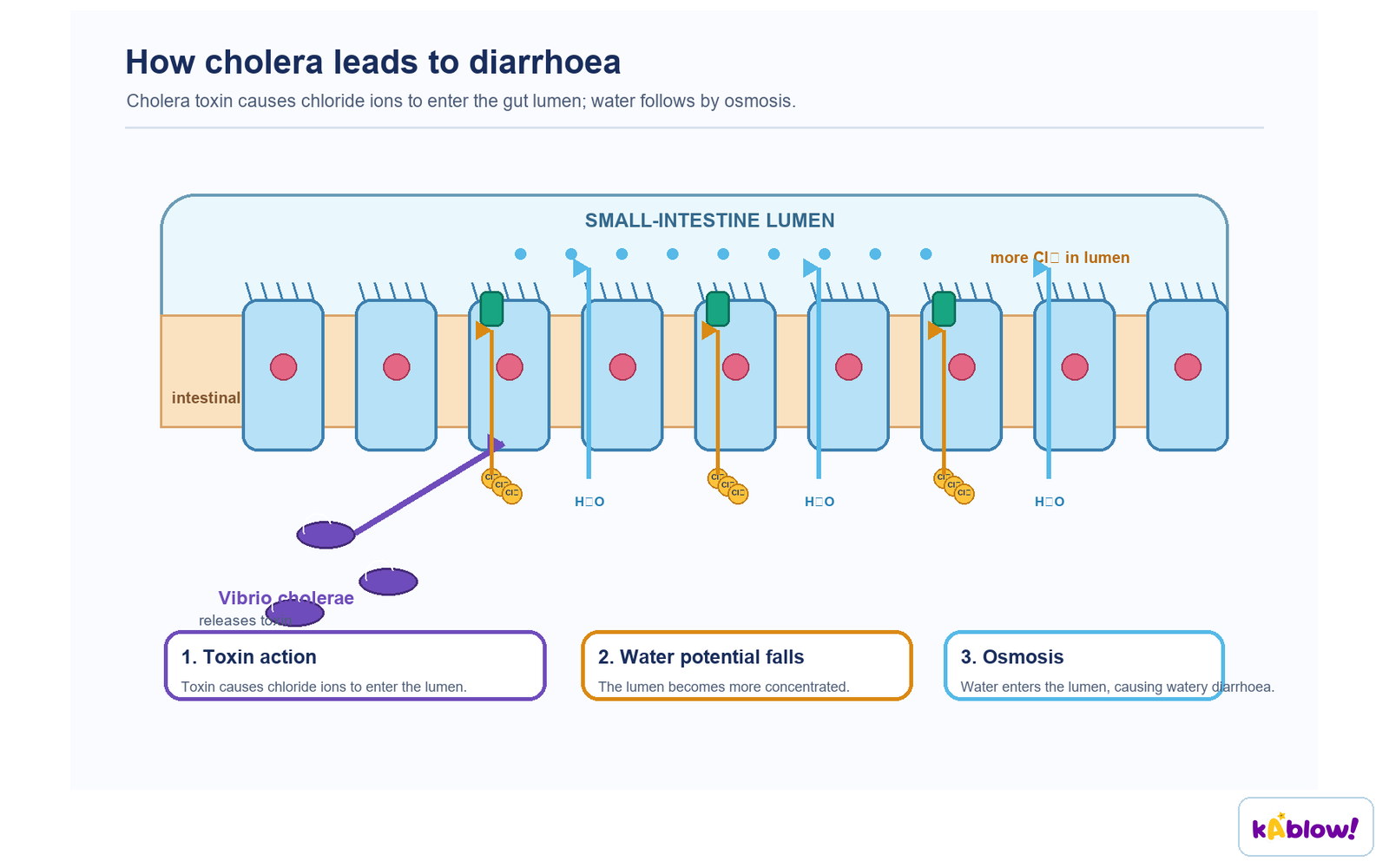
- Bacteria attach to the small intestine and produce a toxin.
- The toxin stimulates intestinal cells to release chloride ions into the gut lumen.
- Lower water potential in the gut causes water to move out of cells by osmosis, leading to severe diarrhoea.
- Loss of water and ions can be fatal; treated with oral rehydration therapy (salt and sugar solution).
How cholera leads to diarrhoea
슬라이드
연습 문제
무료 미리 보기 — 50개 중 8개 문제. 가입하면 전부 볼 수 있어요.
1.What is a pathogen?
Easy- AA disease-causing organism
- BA transmissible disease
- CA phagocyte that engulfs bacteria
- DA bacterial cell
2.The immune system recognises which part of a pathogen?
Easy- AAntibiotic
- BAntigen
- CActive site
- DAntibody
3.Which body defence listed below acts as a chemical barrier?
Easy- AMucus lining the airways
- BAntibody production
- CHairs in the nose
- DPhagocytosis
4.Which of the options below is an example of a transmissible disease?
Easy- AObesity
- BTooth decay
- CCholera
- DRickets
5.Which cells produce mucus?
Easy- ACiliated cells
- BGoblet cells
- CNerve cells
- DWhite blood cells
6.The human body has a number of barriers to prevent infection by pathogens. Which of these are examples of mechanical barriers? 1. Skin 2. Mucus 3. Hairs in the nose 4. Antibodies 5. Stomach acid
Easy- A1 and 3
- B1, 2 and 4
- C2 and 4
- D1, 3 and 5
7.Which of the following diseases listed below are not caused by infectious pathogens? 1. Coronary Heart Disease 2. Cholera 3. AIDS 4. Scurvy
Easy- A2 only
- B1 and 4
- C2 and 3
- D2, 3 and 4
8.Which of the following is an effect of a cholera infection? 1. Loss of salts from the blood 2. Loss of water from the blood 3. Blockage of the small intestine 4. Persistent diarrhoea
Easy- A1 and 4
- B1, 2 and 4
- C3 and 4
- DAll 4