Body systems and their interactions
플레이하며 배우기
이 문제들을 풀어 에너지를 얻은 뒤 낚시하고 탐험하세요. 계정이 필요 없어요.
교육자를 위해: Body systems and their interactions(NGSS Middle School Science, Biology)을(를) 위한 바로 쓸 수 있는 수업 슬라이드, 복습 노트, 다이어그램 — 수업에 사용하거나, 학습자들이 실시간 게임으로 즐기는 인터랙티브 클래스 활동으로 진행하세요.
수업 노트
Overview of Body Systems
- The human body consists of several integrated systems that must work together for the body to function as a whole.
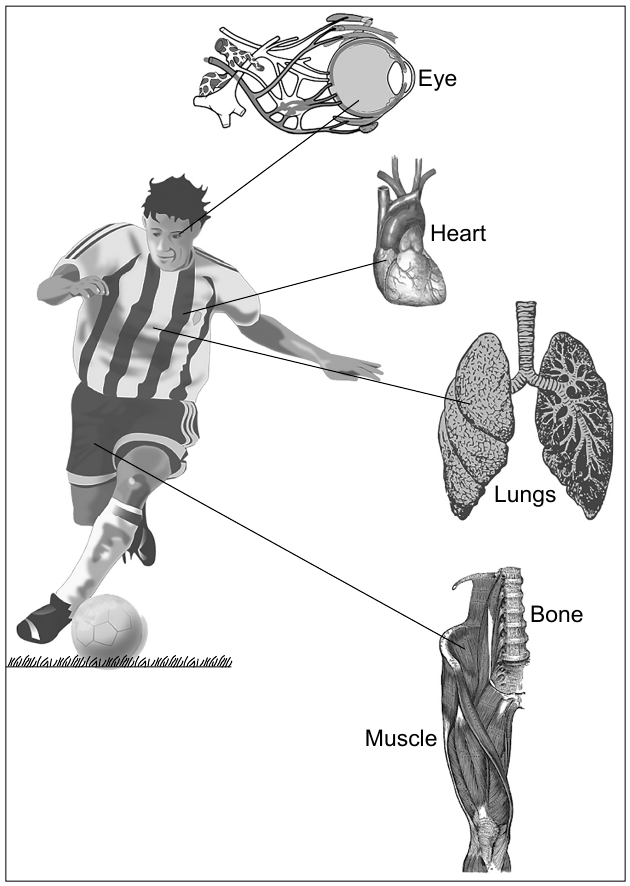
- Seven main organ systems are studied: digestive, circulatory, respiratory, musculoskeletal, excretory, nervous, and reproductive.
- Each system has a main purpose, main processes, main components (organs), and related health issues.
- Health issues can often be prevented with a healthy lifestyle and wise life choices.
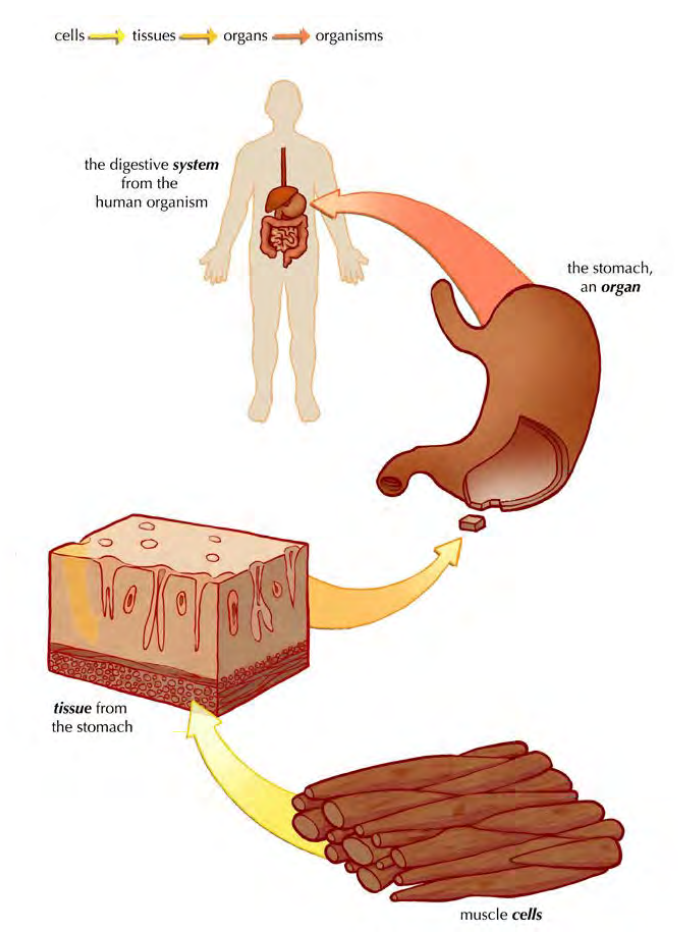
Levels of organization in the human body, from organism to cells, using the digestive system as an example.
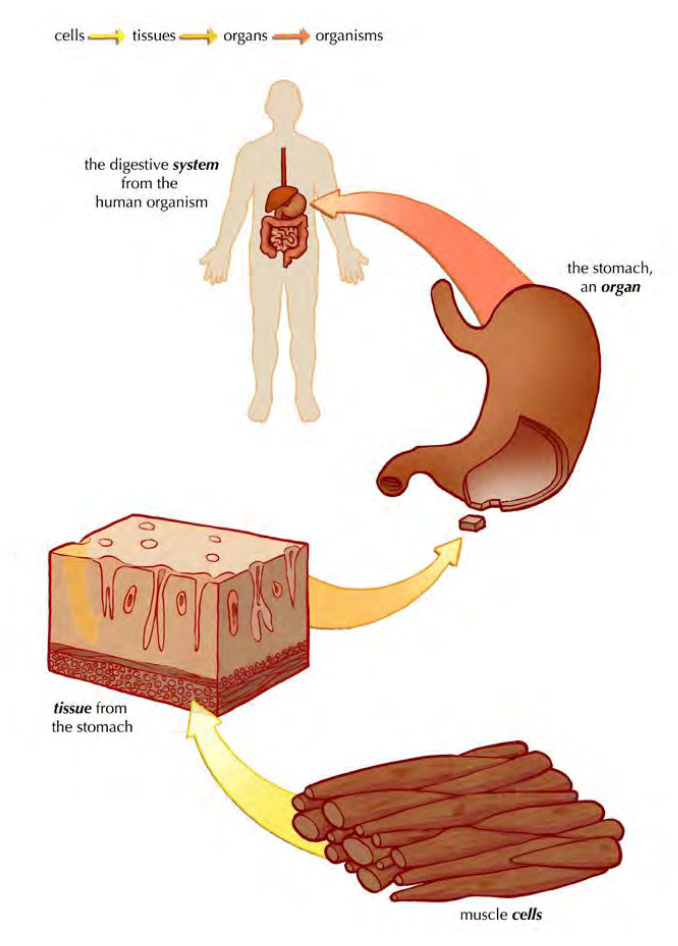
The Digestive System
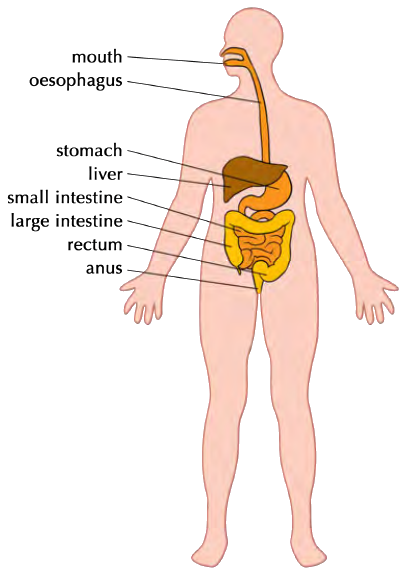
- Purpose: Breaks down food into small particles that can be absorbed into the bloodstream and transported to cells.
- Made up of the alimentary canal, a long twisting tube about 9 meters long from mouth to anus.
- Four main processes: ingestion (taking in food), digestion (breaking down food), absorption (particles move into bloodstream), egestion (removal of undigested waste as faeces).
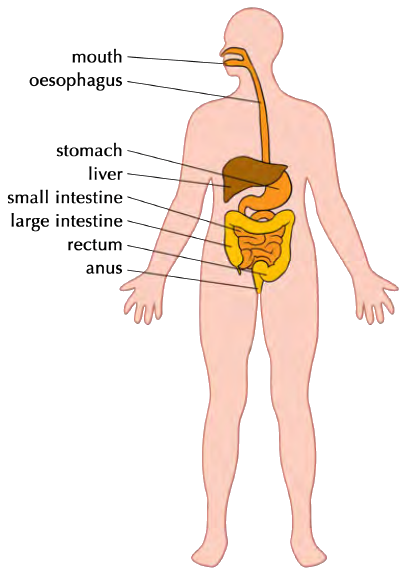
- Components: mouth and oesophagus, stomach, small intestine (most digestion and absorption), large intestine (absorbs water), rectum and anus.
- Health issues: ulcers, anorexia nervosa, diarrhoea, liver cirrhosis.
The human digestive system with key organs labeled
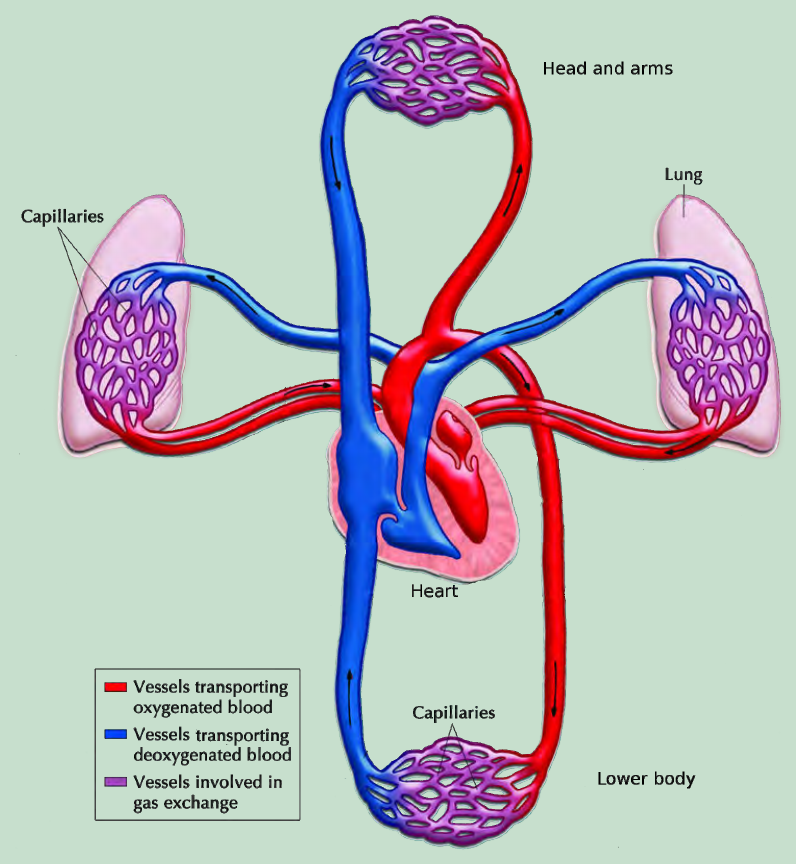
The Circulatory System
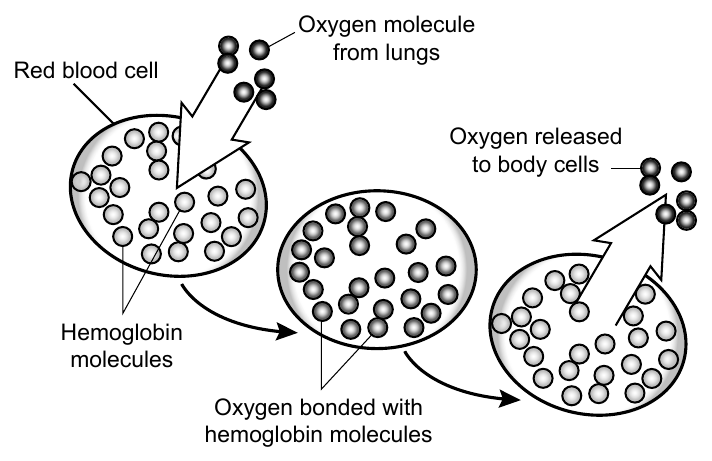
- Purpose: Transports blood with oxygen from lungs to cells and carbon dioxide back to lungs; distributes nutrients and removes waste.
- Components: heart (muscle with four chambers: atria and ventricles), blood vessels (arteries, veins, capillaries), and blood.
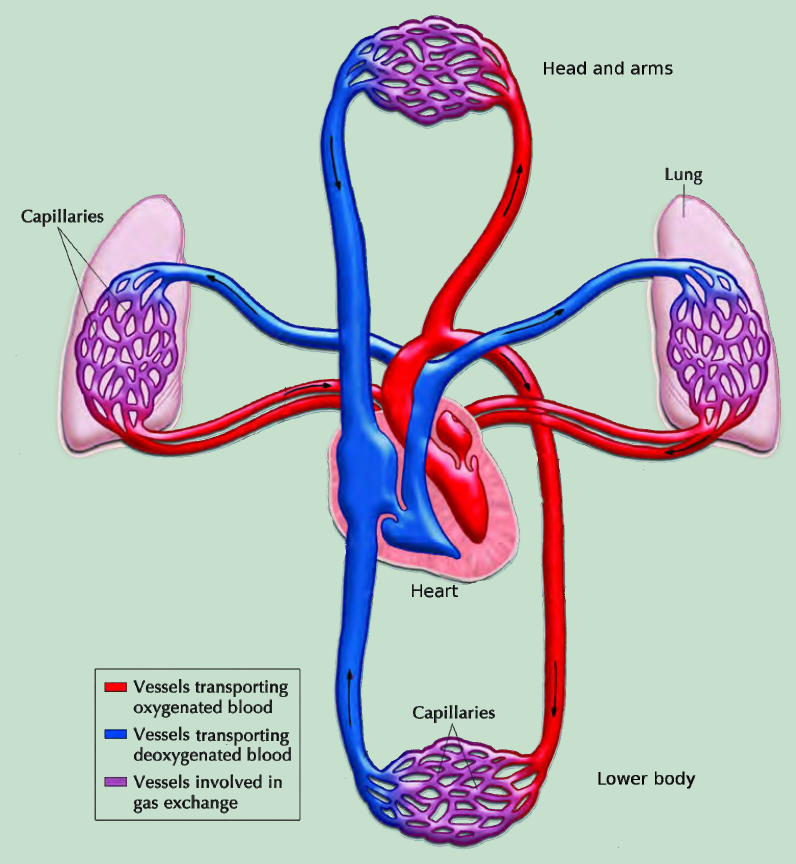
- Two circuits: short circuit between heart and lungs for gaseous exchange; longer circuit from heart to body and back.
- Blood becomes oxygenated (more O2) after lungs and deoxygenated (more CO2) after body tissues.
- Health issues: high blood pressure, heart attacks, strokes.
Diagram of the circulatory system showing oxygenated and deoxygenated blood flow.
The Respiratory System
- Purpose: Supplies cells with oxygen and removes carbon dioxide.
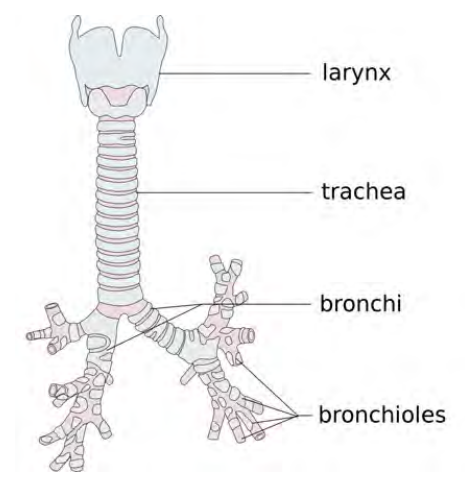
- Components: mouth/nose, trachea (windpipe), bronchi, lungs (with alveoli), diaphragm.
- Three main processes: breathing (inhalation/exhalation), gaseous exchange (diffusion in alveoli and tissues), cellular respiration (release energy in mitochondria).
- Health issues: asthma, lung cancer, bronchitis, pneumonia, TB.
Diagram of the larynx, trachea, bronchi and bronchioles.
The Musculoskeletal System
- Purpose: Produces movement via muscles attached to a frame (skeleton); skeleton also protects organs.
- Components: muscles (contract/relax), bones (support, form joints), cartilage (cushions joints), tendons (attach muscle to bone), ligaments (hold bones together at joints).
- Main process: locomotion (self-propulsion) and movement through muscle contraction and relaxation stimulated by nerves.
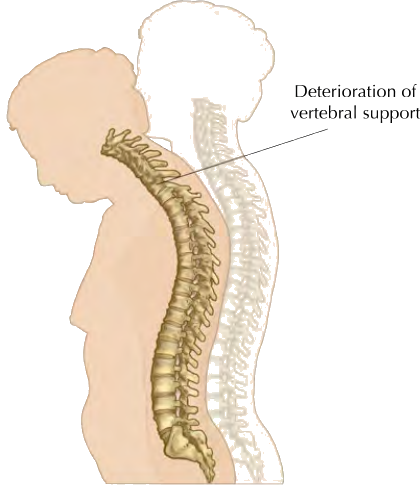
- Health issues: rickets (soft bones), arthritis (inflamed joints), osteoporosis (brittle bones).
Deterioration of vertebral support
The Excretory System
- Purpose: Removes metabolic waste products (urea, carbon dioxide) from blood while retaining nutrients and water.
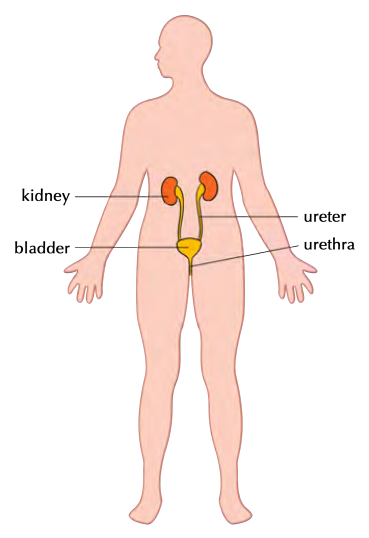
- Components: kidneys (filter blood, produce urine), ureters (carry urine to bladder), bladder (stores urine), urethra (excretes urine).
- Main processes: filtration (blood filtered in kidneys), absorption (needed substances reabsorbed), diffusion (substances move in/out of kidney cells), excretion (urine expelled).
- Health issues: kidney failure (requires dialysis), kidney stones, bladder infection.
Diagram of the kidneys, ureters, bladder and urethra.
The Nervous System
- Purpose: Transmits nerve impulses between body parts; receives stimuli from environment and inside body.
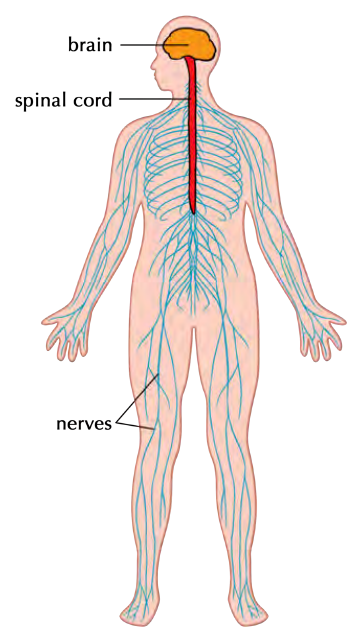
- Components: nerves (bundles of neurons), brain (central nervous system), spinal cord (central nervous system), sensory organs (ears, nose, eyes, skin, tongue).
- Main processes: sending/receiving impulses; sensing (hearing, seeing, feeling, tasting, smelling); regulating body temperature.
- Health issues: trauma/injuries to brain/spinal cord, stroke, degenerative disorders (Alzheimer's, Parkinson's, MS), mental health problems, sensory organ problems, effects of drug/alcohol.
Diagram of the human nervous system showing the brain, spinal cord and nerves.
The Reproductive System
- Purpose: Produces sex cells (gametes) to ensure continuation of the species.
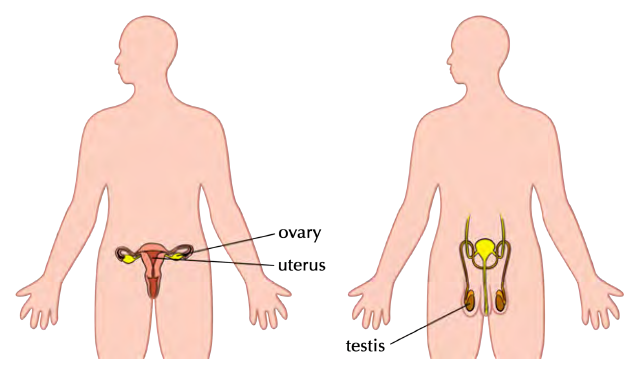
- Components: ovaries (produce ova), uterus (womb, where fertilised egg develops), testes (produce sperm), scrotum, penis, vagina.
- Main processes: growth, cell division (to produce gametes), maturation (puberty), copulation, ejaculation, ovulation, menstruation, fertilisation, implantation.
- Health issues: infertility, foetal alcohol syndrome, sexually transmitted diseases (STDs) like HIV/AIDS, syphilis, gonorrhoea.
Diagram of the female and male reproductive organs.
슬라이드
연습 문제
무료 미리 보기 — 44개 중 8개 문제. 가입하면 전부 볼 수 있어요.
1.The digestive system is also known as the alimentary canal, gastrointestinal tract, or digestive tract.
EasyTrue or false?
2.Which of the following is NOT a main process of the digestive system?
Easy- AIngestion
- BDigestion
- CRespiration
- DEgestion
3.The heart has four chambers: two atria and two ventricles.
EasyTrue or false?
4.Which of the following is NOT a component of the musculoskeletal system?
Easy- AMuscles
- BBones
- CCartilage
- DAlveoli
5.The excretory system is responsible for removing metabolic waste products from the blood.
EasyTrue or false?
6.Which organ of the excretory system filters the blood to remove urea?
Easy- ABladder
- BUreter
- CKidney
- DUrethra
7.The nervous system is composed of the brain, spinal cord, and nerves.
EasyTrue or false?
8.Which of the following is NOT a sensory organ?
Easy- AEars
- BEyes
- CSkin
- DKidneys
기출 문제
이 주제의 기출 문제 연습이 곧 나와요.
곧 출시