Genes, chromosomes and mutations
플레이하며 배우기
이 문제들을 풀어 에너지를 얻은 뒤 낚시하고 탐험하세요. 계정이 필요 없어요.
교육자를 위해: Genes, chromosomes and mutations(NGSS Middle School Science, Biology)을(를) 위한 바로 쓸 수 있는 수업 슬라이드, 복습 노트, 다이어그램 — 수업에 사용하거나, 학습자들이 실시간 게임으로 즐기는 인터랙티브 클래스 활동으로 진행하세요.
수업 노트
Genes and Chromosomes
- A gene is a section of DNA that carries the instructions for one trait, such as eye colour or the shape of a protein.
- Genes are found on chromosomes — long, thread-like structures made of DNA, held inside the nucleus of a cell.
- Each chromosome carries many genes lined up along its length, not just one.
A normal set of chromosomes compared with a set showing a structural change.
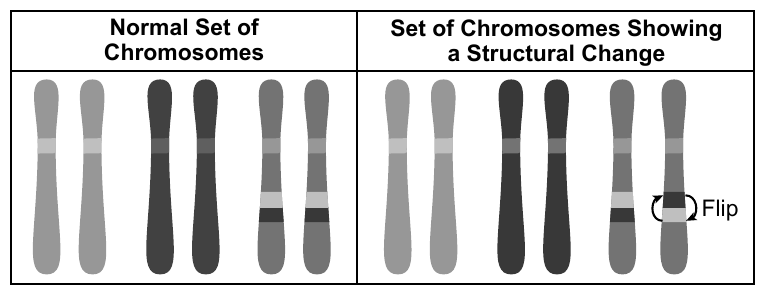
Mutations and DNA Replication
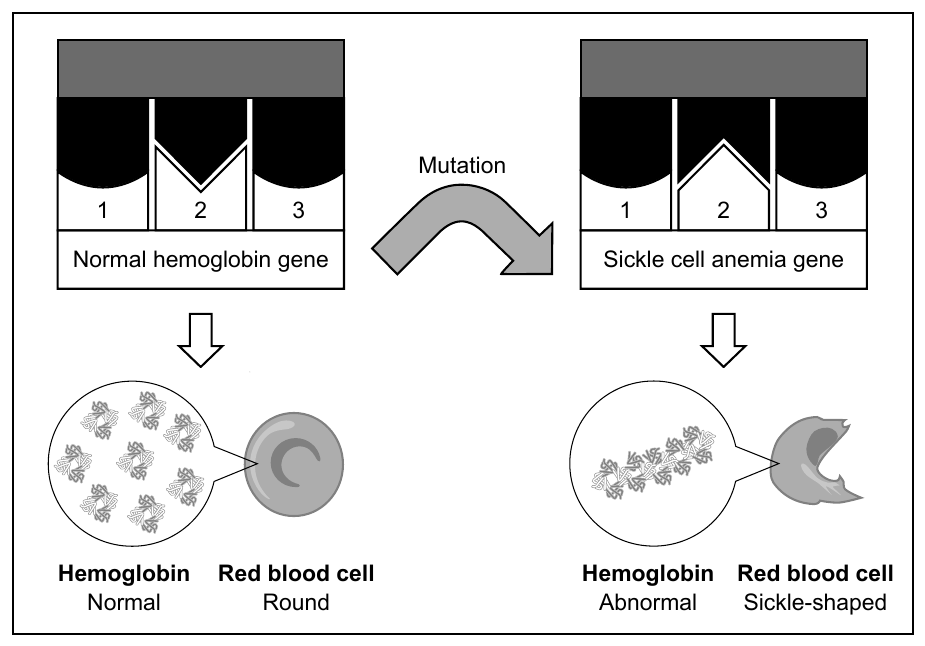
- DNA replication before cell division is not always 100% accurate; sometimes the wrong code is inserted.
- A permanent change in the DNA sequence is called a mutation.
- Once a mutation occurs, it is copied each time DNA replicates, so all resulting cells carry the mutation.
Effects of Mutations
- Mutations can have harmful, beneficial, or neutral effects on the organism.
- A mutation may have no effect, or it can cause a protein to be made incorrectly, affecting its function.
- Usually, loss of protein function is detrimental and makes survival harder.
Harmful Mutations
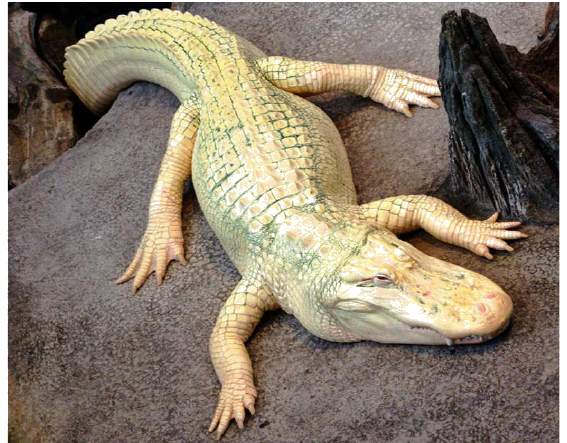
- Example: Albinism is a mutation in the gene for melanin, a protein in skin and eyes.
- Albinism can result in no melanin production or a significant decline, affecting camouflage.
- For an alligator, albinism makes it harder to blend in, negatively impacting survival.
An albino alligator.
Beneficial Mutations
- In rare cases, a mutation can help an organism survive in its environment.
- Example: A rabbit with albinism might be better camouflaged in a snowy arctic environment.
- Humans' ability to see more colors is the result of a beneficial mutation from long ago.
- Organisms with beneficial mutations are more likely to survive and pass the mutation to offspring.
Neutral Mutations
- Some mutations have no effect on survival; they are neutral.
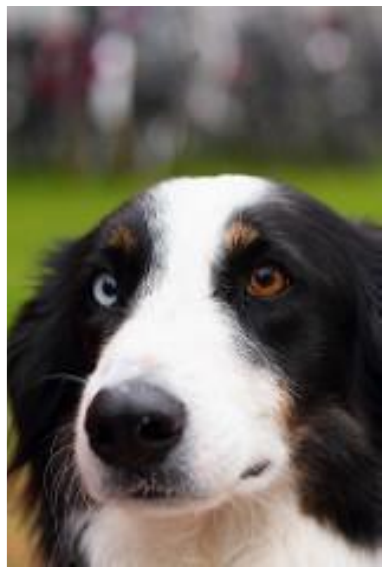
- Example: Heterochromia (two different colored eyes) does not help or harm survival.
- Neutral mutations can still be passed on to future generations.
A dog with heterochromia (two different eye colours).
Causes of Mutations
- Mutations can happen spontaneously or be caused by mutagens in the environment.
- Mutagens are substances that cause genetic mutations, such as chemicals in tobacco smoke.
- Some mutagens can also cause cancer; tobacco smoke is linked to lung cancer.
Mutations and Traits
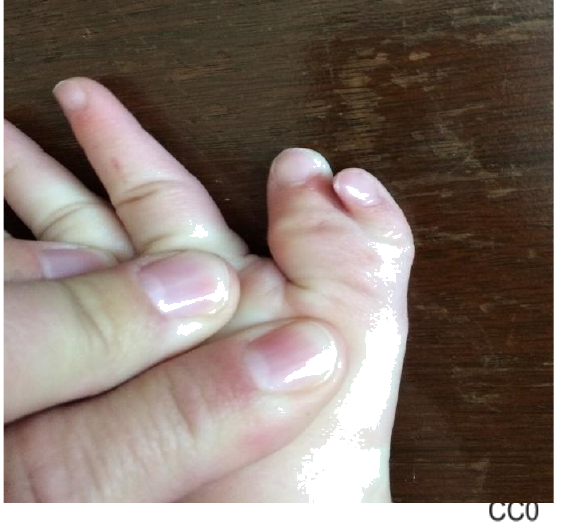
- Mutations can cause changes in traits, such as an extra thumb or toe.
- A slight change in the order of chemicals in chromosomes can lead to extra digits.
- These changes occur as copying errors when cells divide, and they can be harmful, beneficial, or neutral.
A foot with an extra toe, illustrating a mutation that causes changes in traits.
Genes and DNA
- DNA contains information that encodes inherited traits, such as eye color and allergies.
- The nucleus contains genetic material organized into long DNA molecules.
- The difference in DNA between individuals is called variation. Even a slight difference in DNA can lead to noticeable differences within a species, and between different species.
Nucleus and Genetic Material
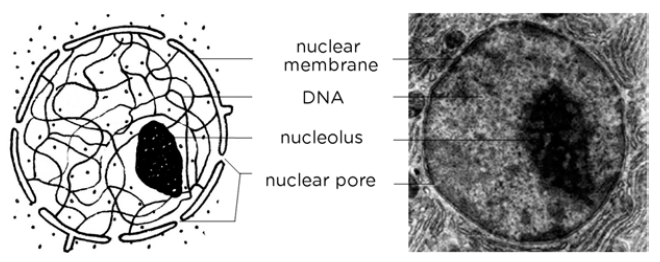
- The nucleus is enclosed by a double membrane (nuclear membrane) with pores.
- Inside the nucleus, a nucleolus is often visible as a darker area.
- Eukaryotic cells have a nucleus; prokaryotic DNA floats in the cytoplasm without a membrane.
A diagram and micrograph of a cell nucleus, showing the nuclear membrane, DNA, nucleolus, and nuclear pore.
슬라이드
연습 문제
무료 미리 보기 — 43개 중 8개 문제. 가입하면 전부 볼 수 있어요.
1.What is a mutation?
Easy- AA permanent change in the sequence of DNA
- BA temporary error in protein synthesis
- CA change in the number of chromosomes only
- DA change in the environment that affects an organism
2.Mutations are always harmful to an organism.
EasyTrue or false?
3.Which of the following is an example of a neutral mutation?
Easy- AAlbinism in a dark forest
- BHeterochromia (two different colored eyes)
- CA mutation causing a protein to not work
- DA mutation that helps an organism survive in its environment
4.A mutation that causes a protein to be made incorrectly can affect how well the protein works.
EasyTrue or false?
5.What is a mutagen?
Easy- AA type of protein that causes mutations
- BSomething in the environment that causes genetic mutations
- CA permanent change in DNA
- DAn organelle that contains DNA
6.Match each mutation to its effect on the organism.
Easy- Albinism in a dark forest alligator
- Color vision in humans
- Heterochromia
- Harmful
- Beneficial
- Neutral
7.Mutations can only be caused by errors during DNA replication.
EasyTrue or false?
8.A mutation occurs in a gene that codes for melanin in a rabbit. If the rabbit lives in a snowy arctic environment, what is the likely effect of this mutation?
Easy- AHarmful, because the rabbit will stand out against the snow
- BBeneficial, because the white fur will help the rabbit blend in
- CNeutral, because fur color does not affect survival
- DHarmful, because the rabbit will be unable to produce any fur
기출 문제
이 주제의 기출 문제 연습이 곧 나와요.
곧 출시