Electric and magnetic forces
플레이하며 배우기
이 문제들을 풀어 에너지를 얻은 뒤 낚시하고 탐험하세요. 계정이 필요 없어요.
교육자를 위해: Electric and magnetic forces(NGSS Middle School Science, Physics)을(를) 위한 바로 쓸 수 있는 수업 슬라이드, 복습 노트, 다이어그램 — 수업에 사용하거나, 학습자들이 실시간 게임으로 즐기는 인터랙티브 클래스 활동으로 진행하세요.
수업 노트
Electric Charge and Electric Force
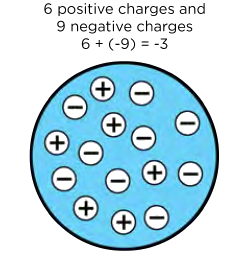
- Electric charge is a physical property of particles (protons positive, electrons negative) that causes attraction or repulsion.
- Opposite charges attract (positive and negative), like charges repel (positive-positive or negative-negative).
- Electric force is the attraction or repulsion between charged objects; it acts without contact.
- Strength of electric force depends on the amount of charge and the distance between objects: more charge increases force, greater distance decreases force.
- Static electricity is a buildup of charge on objects, often from friction transferring electrons (e.g., rubbing a balloon on hair).
- Objects become negatively charged when they gain electrons, positively charged when they lose electrons; protons do not move.
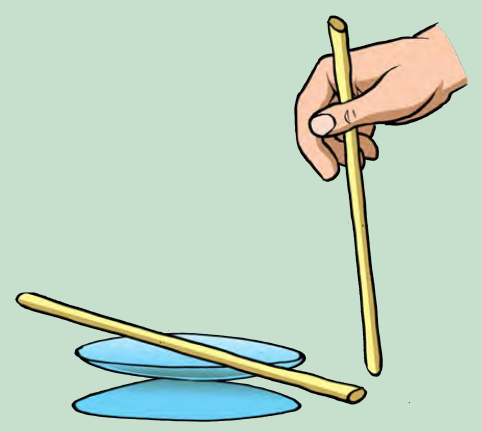
Testing charge with perspex rods and watch glasses
Magnetic Force and Magnetic Fields
- Magnetic force is a non-contact force exerted by magnets on certain materials (like iron, nickel, cobalt) and other magnets.
- All magnets have two poles: north and south; opposite poles attract, like poles repel.
- A magnetic field is the region around a magnet where magnetic force acts; it is invisible but can be visualized with iron filings.
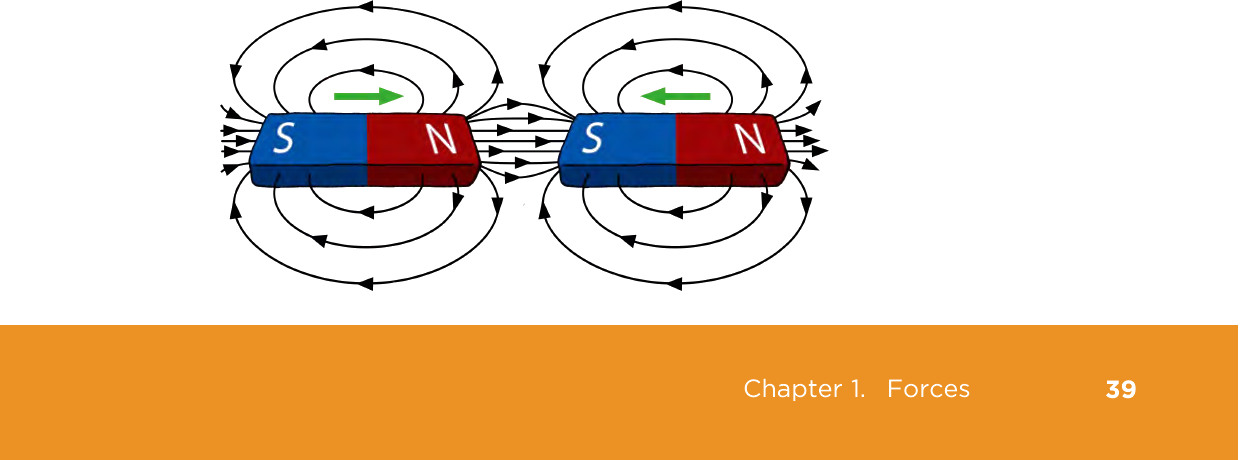
- Field lines show the direction and strength of the magnetic field; they go from north to south pole, and closer lines indicate stronger field.
- Magnetic field is strongest near the poles and weakens with distance from the magnet.
- Magnetic forces can act through materials like paper or wood, but some materials (e.g., thick iron) can block or weaken them.
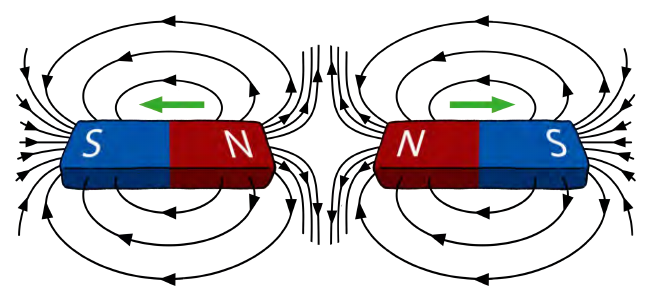
Magnetic field lines between two bar magnets with opposite poles facing each other, showing attraction.
Electromagnets
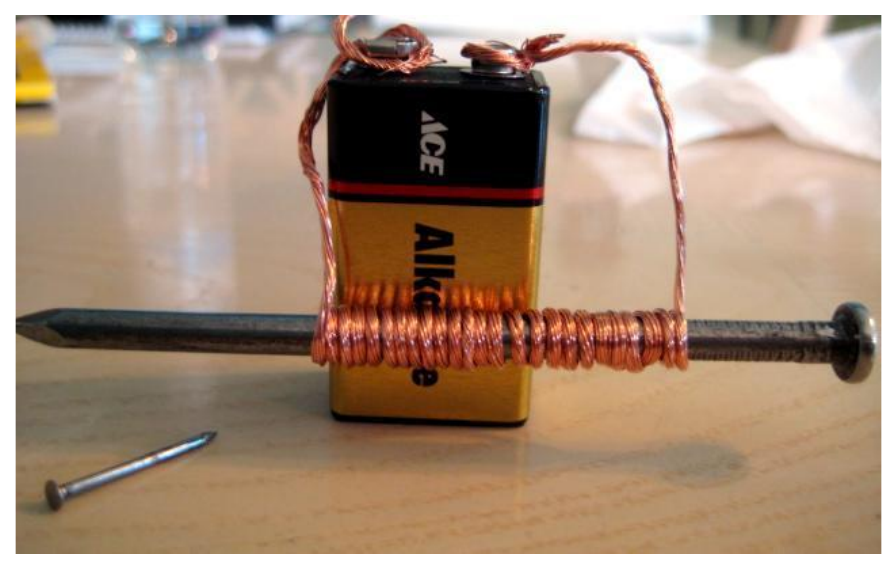
- An electromagnet is made by wrapping a wire coil around an iron core and connecting it to a battery; current creates a magnetic field.
- Electromagnets have two advantages: they can be very strong and can be turned on/off by controlling the current.
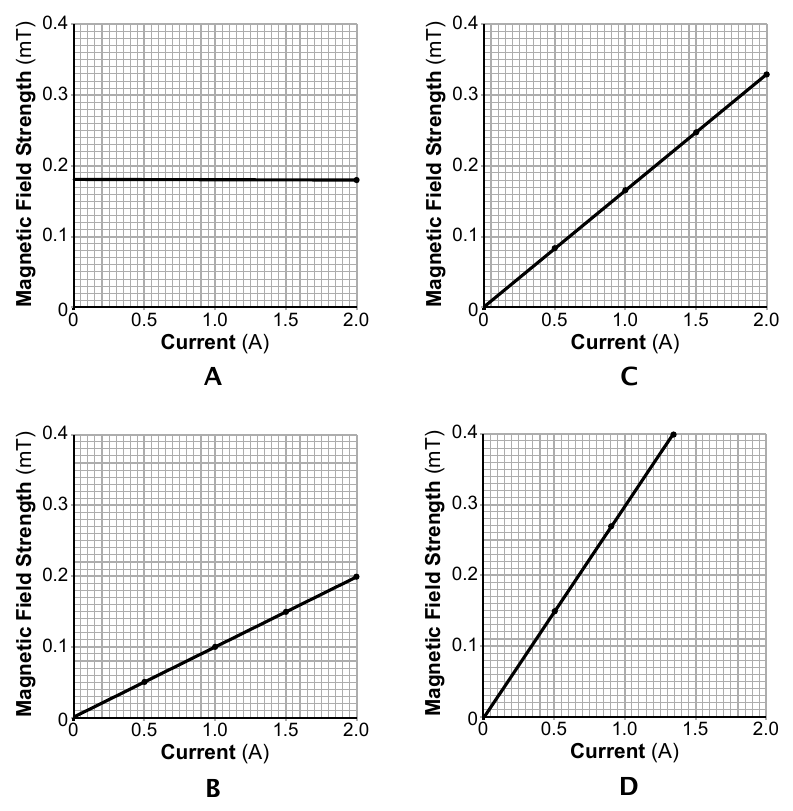
- The strength of an electromagnet depends on the number of coils, the current (batteries), the core material, and distance to objects.
- Data shows: more coils (30 vs 25) pick up more paper clips; more batteries (2 vs 1) increase strength; thicker iron nail strengthens the magnet.
- If the circuit is incomplete (only one wire connected) or the coil is too small (3 turns), the electromagnet does not work.
- Electromagnets are used in electric motors, generators, doorbells, and lifting heavy scrap metal.
A copper coil wrapped around an iron nail, connected to a battery
Factors Affecting Electric and Magnetic Force Strength
- Distance affects both electric and magnetic forces: the closer objects are, the stronger the force; farther apart, weaker.
- Amount of charge affects electric force: more charge (more electrons/protons) increases force.
- Number of coils in an electromagnet: increasing turns of wire increases magnetic strength.
- Current (batteries) in an electromagnet: higher current increases magnetic strength.
- Core material: iron core increases strength compared to no core or non-magnetic core.
- Thickness of iron core: thicker nail provides more material for magnetic alignment, increasing strength.
Applications and Phenomena
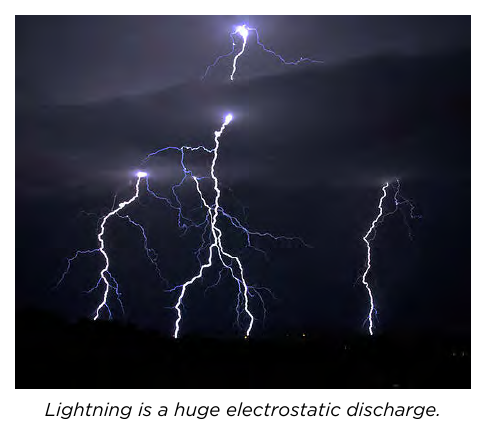
- Lightning is a large electrostatic discharge between charged clouds or between clouds and the ground.
- Earth's magnetic field acts like a giant bar magnet, allowing compasses to work; it also causes auroras (Northern/Southern Lights).
- Static electricity causes hair to stand up on a plastic slide because electrons transfer, creating opposite charges that attract.
- Electromagnets are used in maglev trains for magnetic levitation, and in electric generators to produce current.
- Magnetic materials include iron, nickel, cobalt, and steel (an alloy of iron); other metals like copper and aluminium are not magnetic.
Lightning: a huge electrostatic discharge
Experimental Evidence from Electromagnet Data
- Connecting both wire ends to the battery is essential; one end only gives 0 paper clips.
- Increasing coils from 25 to 30 raised pickup from 3 to 5 paper clips; decreasing to 3 coils gave 0.
- Distance matters: at 20 cm away, 0 clips; at 2 cm, 3 clips.
- Using 2 batteries instead of 1 increased pickup from 3 to 4 clips.
- A thicker iron nail picked up 4 clips vs 2 for a thinner nail.
- Plastic-coated paper clips were not picked up (0), while metallic ones were (3), showing magnetic force affects certain metals.
Testing an electromagnet
슬라이드
연습 문제
무료 미리 보기 — 42개 중 8개 문제. 가입하면 전부 볼 수 있어요.
1.Which of the following is the correct definition of electric charge?
Easy- AA physical property that causes objects to attract or repel each other without touching
- BA force that only acts when objects are in contact
- CA property that only exists in metals
- DA measure of the amount of matter in an object
2.Which of the following is the correct definition of a magnetic field?
Easy- AThe region around a magnet where magnetic forces act
- BThe region around a charged object where electric forces act
- CThe force between two magnets
- DThe area where iron filings are placed
3.Which of the following are magnetic materials? (Select all that apply)
Easy- AIron
- BNickel
- CCobalt
- DCopper
- EAluminium
4.Like poles of magnets attract each other.
EasyTrue or false?
5.An object with more electrons than protons is negatively charged.
EasyTrue or false?
6.What is the charge of a proton?
Easy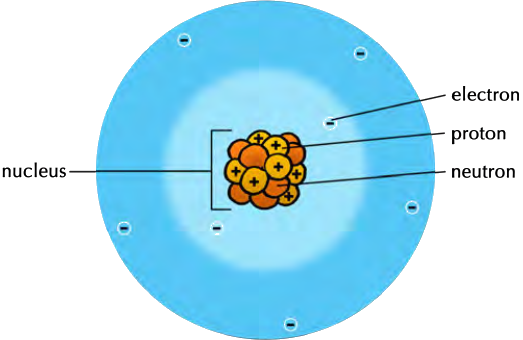
- APositive
- BNegative
- CNeutral
- DIt depends on the atom
7.The figure shows four pairs of charged particles, each pair a set distance apart. Which pair has the greatest attractive electric force between them?
Medium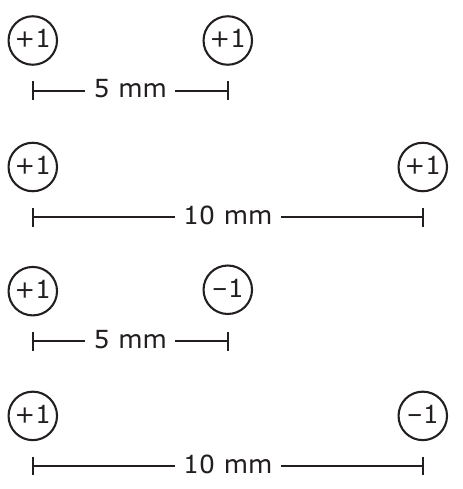
- APair 1 (+1 and +1, 5 mm apart)
- BPair 2 (+1 and +1, 10 mm apart)
- CPair 3 (+1 and −1, 5 mm apart)
- DPair 4 (+1 and −1, 10 mm apart)
8.Which of the following is NOT a field force?
Easy- AFrictional force
- BGravitational force
- CElectrostatic force
- DMagnetic force

기출 문제
이 주제의 기출 문제 연습이 곧 나와요.
곧 출시