Defence Against Disease
Học bằng cách chơi
Trả lời những câu hỏi này để kiếm năng lượng, rồi câu cá và khám phá. Không cần tài khoản.
Ghi chú bài học
Pathogens and Disease
- A pathogen is any microorganism that causes disease in another organism.
- Pathogens include bacteria, fungi, protists, and viruses; all viruses are pathogenic, while not all bacteria, fungi, and protists are.
- Pathogens cause communicable (infectious) diseases that transfer from a diseased host to a healthy organism.
- Examples of communicable diseases: tuberculosis, athlete's foot, malaria, cholera.
- Non-communicable diseases are non-infectious, e.g., cancer, cardiovascular disease, malnutrition.
- Careful observation of symptoms, incubation times, and transmission mechanisms is crucial to control the spread of disease.
Barriers to Pathogens: Skin and Mucous Membranes
- The skin and mucous membranes form the primary defence against pathogens.
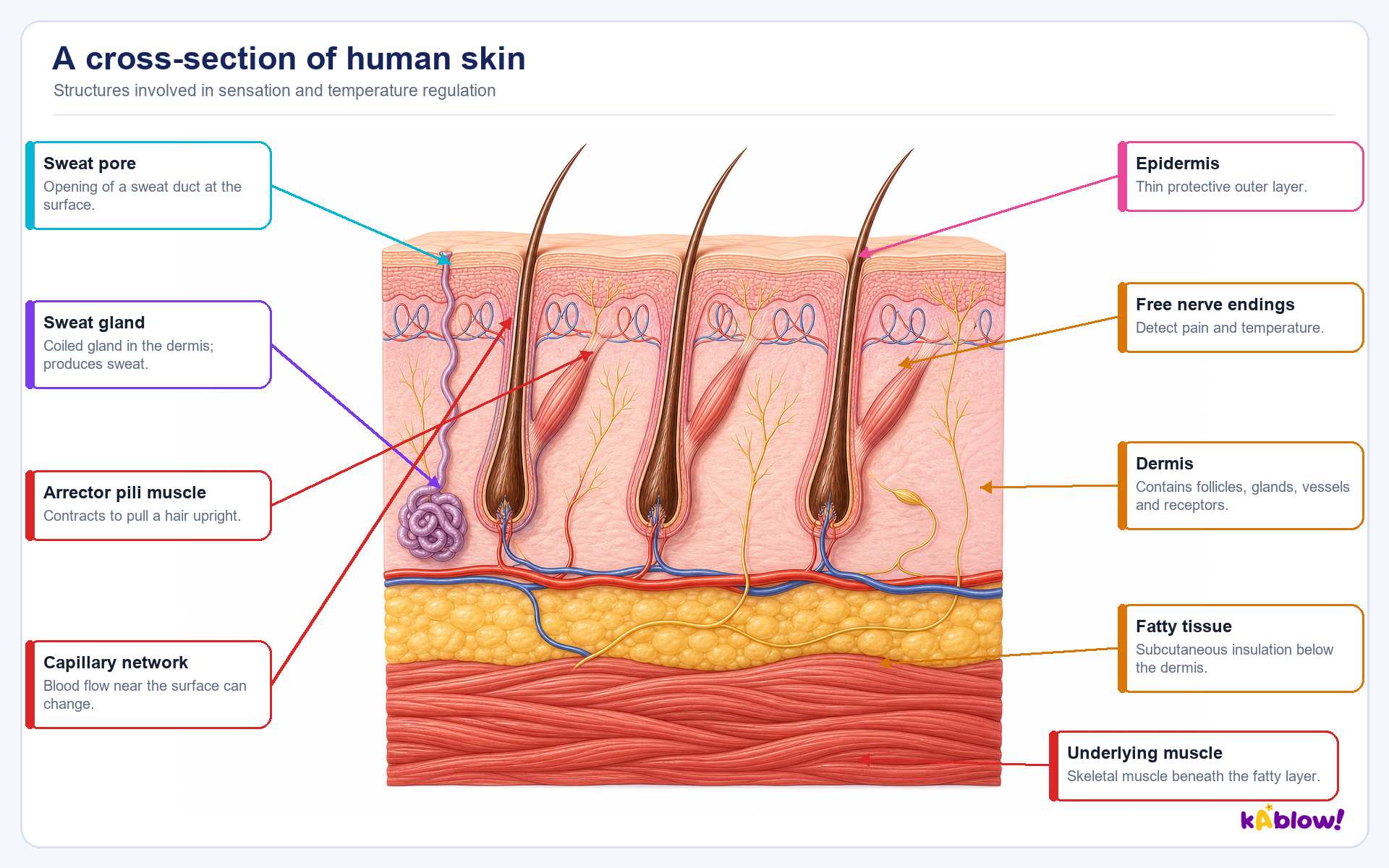
- The skin provides a tough physical barrier that prevents pathogen entry; cuts are sealed by blood clots.
- Sebum from sebaceous glands maintains a low skin pH, inhibiting microorganism growth.
- Mucous membranes line airways, reproductive areas, and the digestive system, and contain goblet cells that produce mucus.
- Mucus traps microorganisms and particles, which are swept by cilia to be swallowed and destroyed by stomach acid.
- Mucus also contains lysozyme enzymes with antibacterial properties.
A cross-section of human skin
Blood Clotting
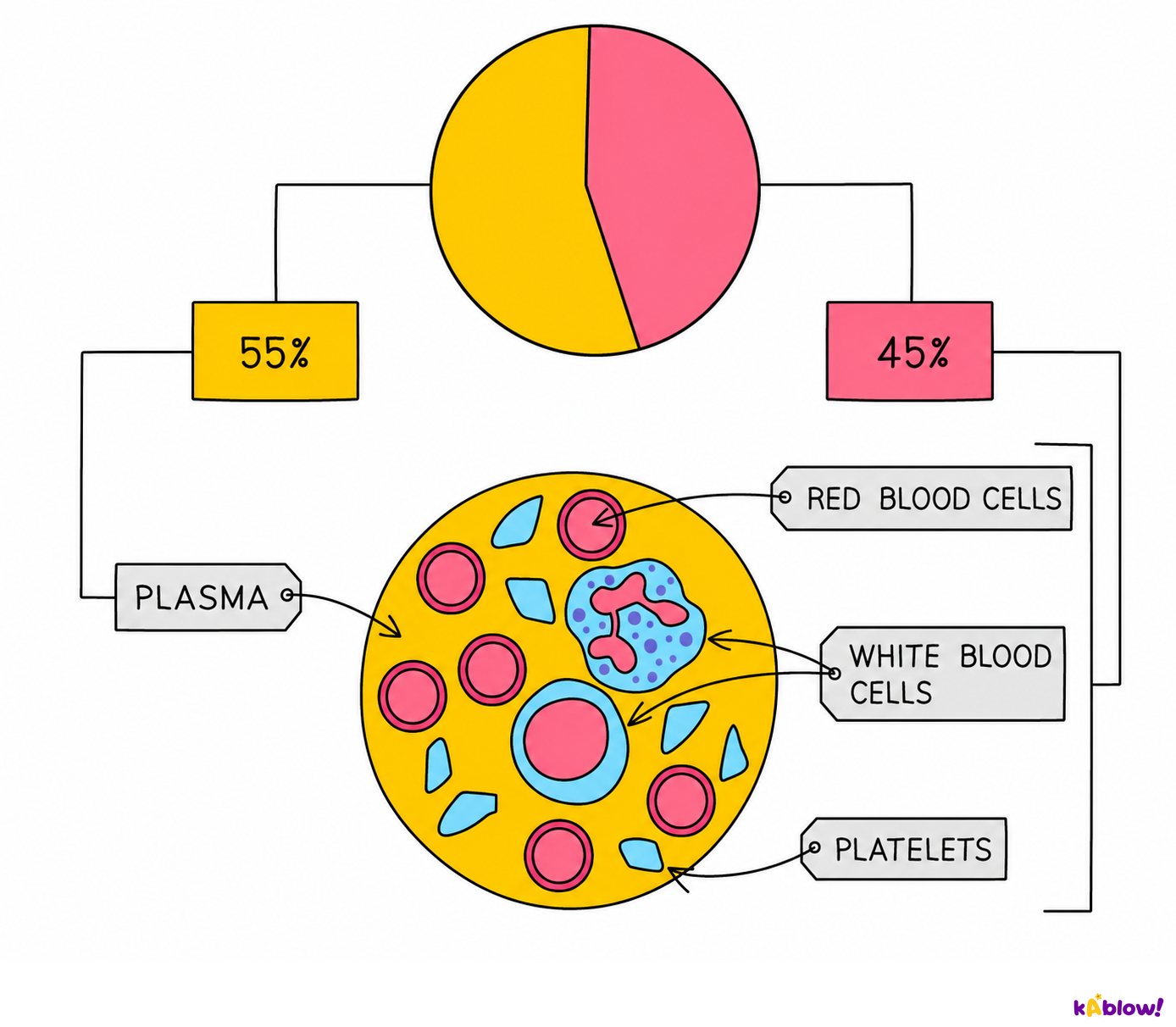
- When the skin is cut, platelets form a temporary plug to stem bleeding.
- Platelets release clotting factors that trigger a chemical cascade.
- Clotting factors stimulate release of the enzyme thrombin.
- Thrombin catalyses conversion of soluble fibrinogen into insoluble fibrin.
- Fibrin forms a mesh that traps more platelets and blood cells, sealing the wound.
- Exposure to air hardens the mesh to form a scab.
Composition of human blood
The Immune System: Innate vs Adaptive
- The innate immune system recognises any non-self item (e.g., bacteria, fungi, viruses, pollen) via non-self antigens.
- Innate responses are non-specific and do not change during an individual's lifetime; phagocytes carry out this response.
- The adaptive immune system responds to specific non-self antigens and involves antibody production and memory cells.
- On first exposure, the adaptive response is slow; on second exposure, it is faster and produces more antibodies.
- Immunological memory develops over a lifetime as exposure to different pathogens occurs.
- Vaccination uses the adaptive immune system to speed up the response on later exposure.
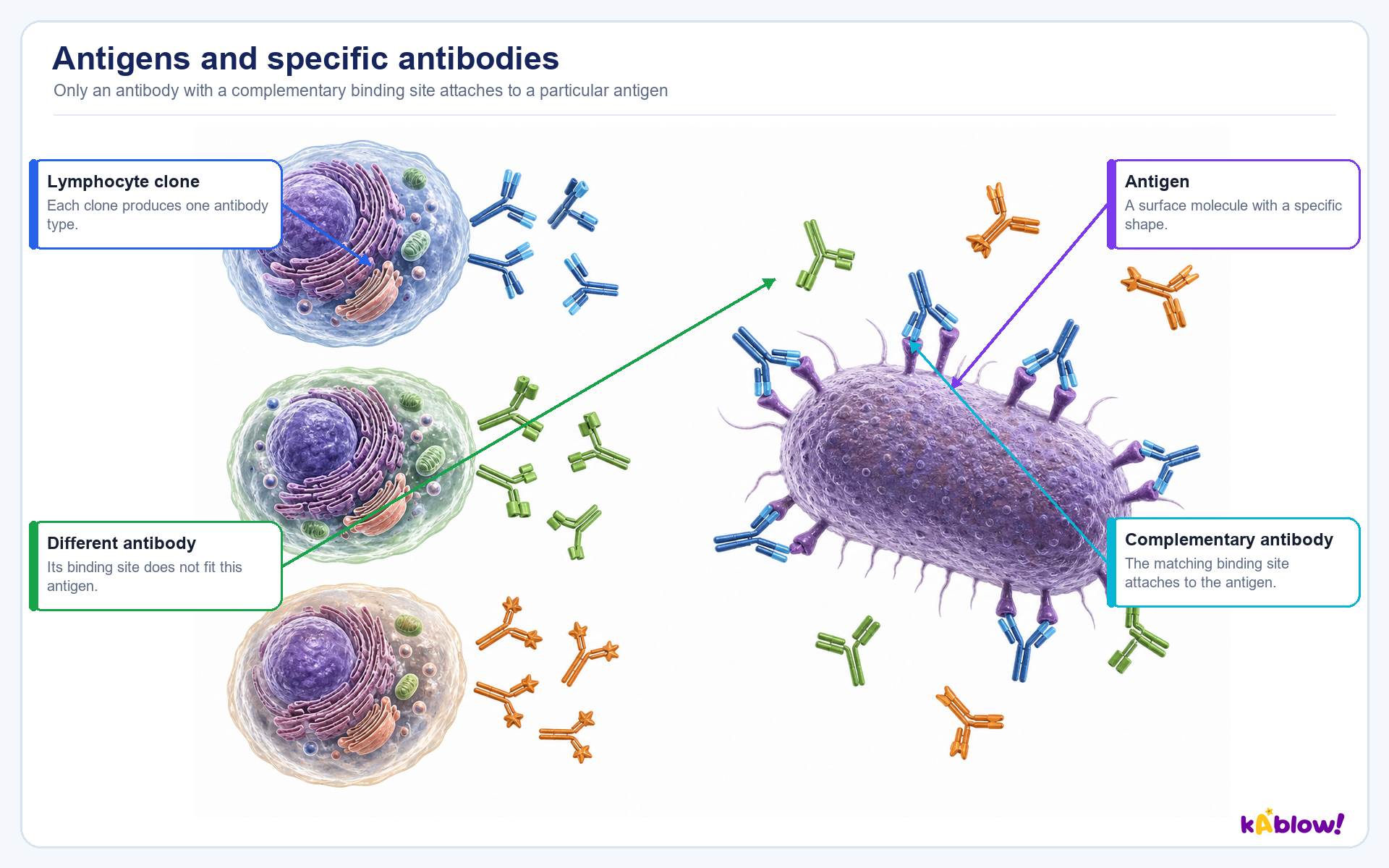
Lymphocytes and antibodies
White Blood Cells
- Phagocytes are white blood cells produced in bone marrow; they remove dead cells and pathogens non-specifically.
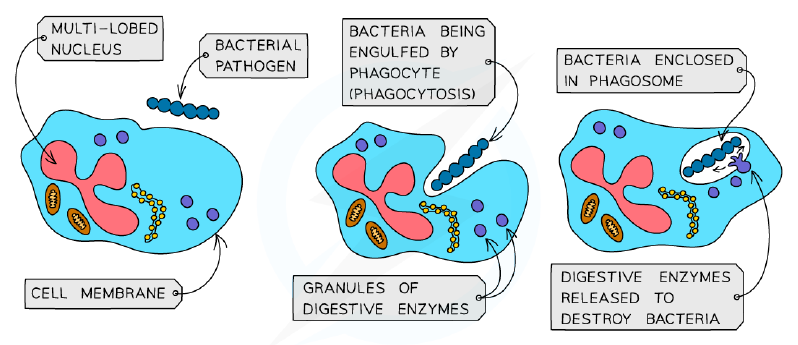
- Phagocytes move by amoeboid movement, engulf pathogens by endocytosis, and digest them using lysosomal enzymes.
- Lymphocytes are white blood cells involved in specific immune responses; two types: T cells and B cells.
- T cells mature in the thymus and have T cell receptors specific to particular antigens.
- T cells are activated when they bind to their specific antigen on an antigen-presenting cell (e.g., macrophage, infected cell).
- Activated T cells divide by mitosis to form clones with identical receptors.
- B cells mature in bone marrow and have antibody receptors on their surface; each B cell binds a different antigen.
- When a B cell binds its specific antigen, it forms an antigen-antibody complex and is activated by T helper cell signalling.
Phagocytosis
Adaptive Immune Response
- Antigens are molecules that trigger an immune response; they are found on cell surface membranes, cancer cells, bacterial cell walls, virus envelopes, and pollen grains.
- The immune system distinguishes self from non-self based on antigens.
- Red blood cells have antigens determining blood group: ABO and Rhesus (Rh) markers.
- Blood type A has N-acetylgalactosamine modification; type B has galactose; type AB has both; type O has neither.
- Incompatible blood transfusion triggers immune response, causing agglutination (clumping) of red blood cells, which can be fatal.
- T-helper cells bind to antigens on antigen-presenting cells and become activated.
- Activated T-helper cells bind to complementary B cells and release signalling proteins to activate them.
- Activated B cells undergo clonal expansion, producing plasma cells (secrete antibodies) and memory cells (provide immunity).
HIV and AIDS
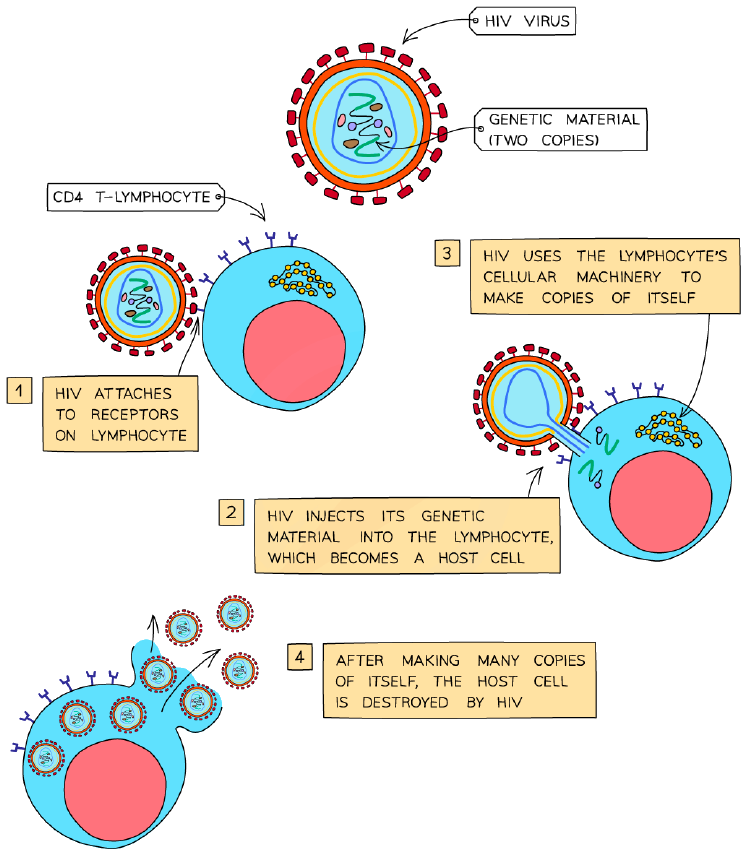
- HIV is a retrovirus with RNA and reverse transcriptase; it cannot survive outside the human body.
- HIV is transmitted by direct exchange of body fluids: sexual intercourse, blood donation, sharing needles, mother to child (placenta, birth, breast milk).
- HIV infects and attacks T-helper cells, which are key for antibody production.
- Early infection: antibodies produced against HIV can be detected; individual is HIV positive.
- Progression: reduced antibody production leads to opportunistic infections; when multiple diseases occur, it is AIDS.
- Anti-retroviral drugs can slow progression, allowing many HIV-positive individuals to live full lives with normal life expectancies.
- HIV is the virus; AIDS is the syndrome it causes.
How HIV infects a lymphocyte
Antibiotics and Antibiotic Resistance
- Antibiotics inhibit growth of microorganisms, mostly bacteria, by targeting prokaryotic processes (transcription, translation, DNA replication, ribosome function, cell wall formation).
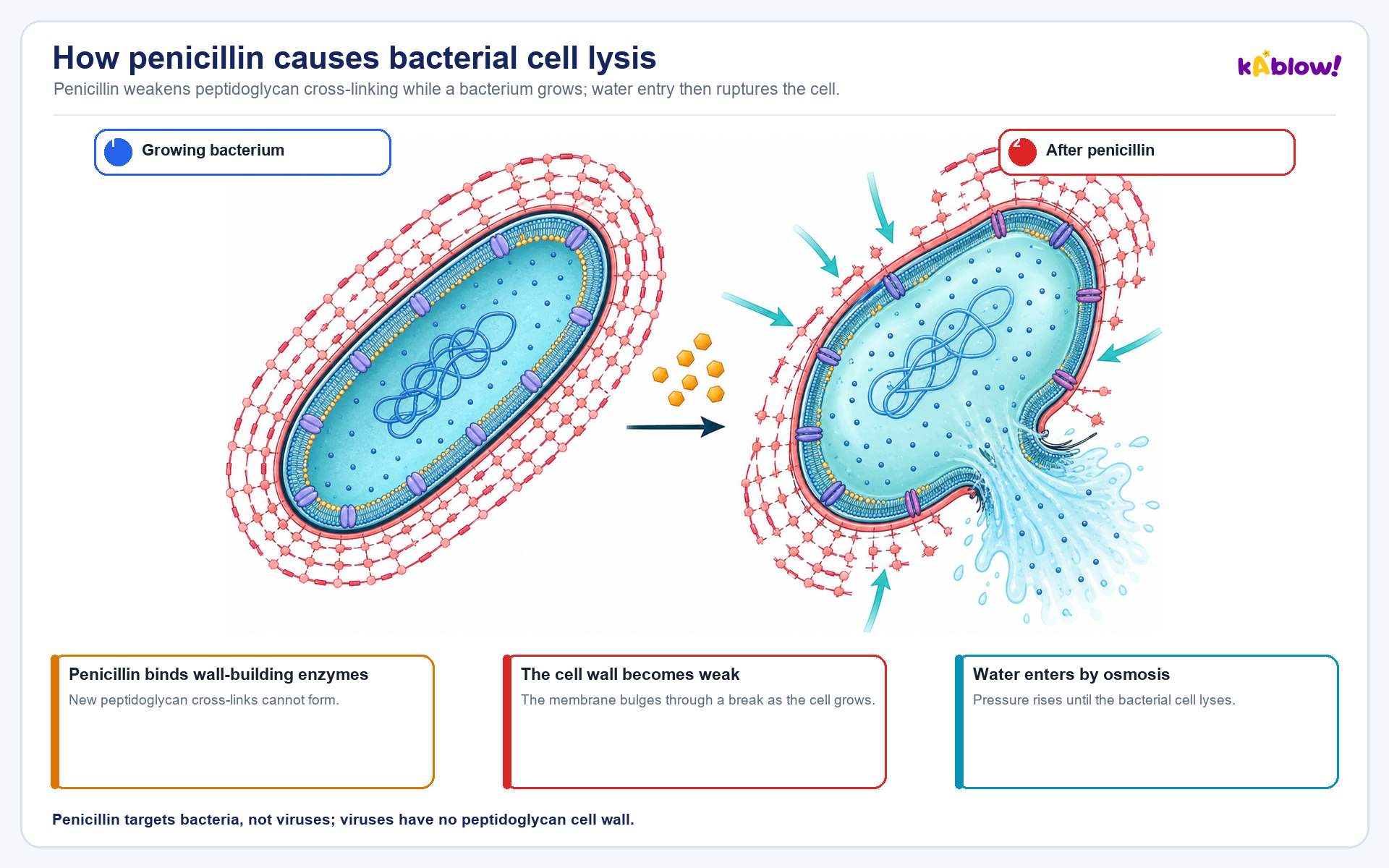
- Penicillin is produced by fungi of the genus×Penicillium×and interferes with bacterial cell wall production.
- Antibiotics are ineffective against viruses because viruses are non-living particles with no metabolism or cell structure.
- Antibiotic resistance arises from random mutations; resistant bacteria survive treatment and reproduce, passing on resistance alleles.
- This is evolution by natural selection; overuse of antibiotics exerts selective pressure.
- MRSA (methicillin-resistant×Staphylococcus aureus×) is resistant to multiple antibiotics.
- Measures to avoid resistance: avoid antibiotics for non-bacterial infections, maintain hygiene, minimise agricultural use, develop new antibiotics.
How penicillin works
Zoonoses
- Zoonotic diseases cross the species barrier from animals to humans.
- Species specificity may be due to lack of necessary receptors or body temperature differences.
- Zoonoses are a growing global concern due to close human-animal relationships and potential for pandemics (e.g., COVID-19).
- Some zoonotic diseases can emerge from animal populations and develop into human-only strains (e.g., HIV).
Vaccines and Immunity
- A vaccine contains antigens or DNA/RNA coding for antigens, inducing immunity without causing disease.
- Types: live attenuated (weakened pathogen) and inactivated (killed components or antigens alone).
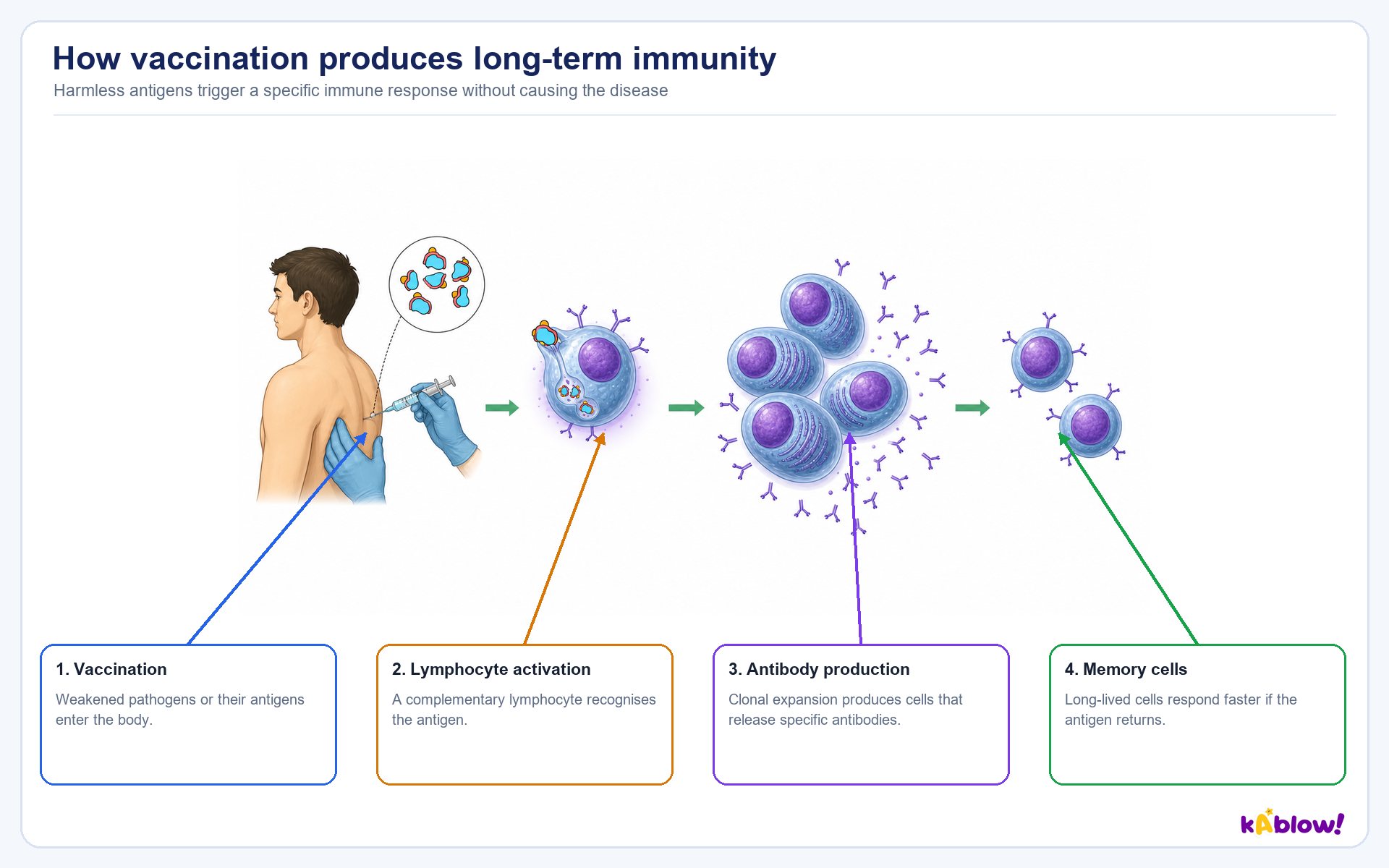
- Vaccines are administered by injection or orally; they trigger a primary immune response and produce memory cells.
- On re-exposure, memory cells produce a faster, stronger secondary response with more antibodies.
- Herd immunity occurs when a large percentage of the population is vaccinated, protecting unvaccinated individuals.
- Herd immunity prevents epidemics and pandemics; vaccination programmes can eradicate diseases (e.g., smallpox eradicated in 1980).
How a vaccine produces immunity
Evaluating COVID-19 Data: Skills
- Percentage difference compares two directly comparable values at the same time: (difference / average) × 100.
- Percentage change compares values from the same data set at different times: (change / original value) × 100.
- If original value is larger, change is a percentage decrease; if smaller, a percentage increase.
- Example: Europe had 18,392 cases in mid-July 2023 vs 1,584 in South-East Asia; percentage difference = 168.3%.
- Example: Europe had 38,950 cases in mid-June 2023 and 18,392 in mid-July 2023; percentage change = -52.8% (decrease).
Slide
Sign up free to view the lesson slides
Step through every slide for this topic — plus flashcards and revision notes — with a free account.
Câu hỏi luyện tập
Xem trước miễn phí — 8 trên 56 câu hỏi. Đăng ký để xem tất cả.
1.Which component of blood has a role in preventing pathogens from entering the body?
Easy- ARed blood cells
- BBlood plasma
- CPlatelets
- DWhite blood cells
2.What is the principal purpose of sebum secretions onto the surface of the skin?
Easy- ATo prevent microorganisms from sticking to the skin.
- BTo lower skin pH, which slows down the growth rate of microorganisms.
- CTo provide a surface texture to the skin that aids the evaporation of sweat.
- DTo assist in the formation of blood clots as a way of sealing wounds after a cut or graze.
3.Which phrase best fits into the gap in the following sentence? The shape of antibody molecules gives each one a particular 3-D configuration. This allows each antibody to be ______________ each individual pathogen.
Easy- A...well suited to...
- B...specific to...
- C...functional against...
- D...the same shape as...
4.Which of the following are considered primary defence against infectious disease?
Easy- ASkin and mucous membranes.
- BHair and skin.
- CPhagocytes and fever.
- DLymphocyte production of antibodies.
5.Which of these statements correctly describes a lymphocyte?
Easy- AThey have many mitochondria to produce ATP to allow endocytosis of pathogens.
- BThey have many lysosomes containing hydrolytic enzymes to digest pathogens.
- CThey provide specific defence against disease-causing organisms.
- DThey are white blood cells with a lobed nucleus.
6.What is adaptive immunity?
Easy- ATreating a specific disease through use of antibiotics.
- BProduction of monoclonal antibodies.
- CProduction of antibodies by lymphocytes.
- DEndocytosis of pathogens by phagocytes.
7.Which of the following is not a contributing factor towards the development of antibiotic resistance in bacteria?
Easy- AStopping a course of antibiotics once symptoms improve.
- BDevelopment of new antibiotics.
- CNatural selection which favours mutations in bacteria.
- DOveruse of antibiotics in agriculture.
8.When a B-lymphocyte is activated by an antigen, what action is taken?
Medium- AIt engulfs the infected body cell which displays a complementary antigen.
- BIt secretes signalling proteins that stimulate T-lymphocytes to produce plasma cells.
- CIt divides repeatedly to form clones of genetically identical plasma cells.
- DIt attaches to the infected cell displaying the antigen and destroys it.
Unlock all 56 questions & more
Tạo tài khoản miễn phí để xem mọi câu hỏi, slide, thẻ ghi nhớ và ghi chú ôn tập cho chủ đề này.