Transport
Học bằng cách chơi
Trả lời những câu hỏi này để kiếm năng lượng, rồi câu cá và khám phá. Không cần tài khoản.
Ghi chú bài học
Blood Vessels: Capillaries
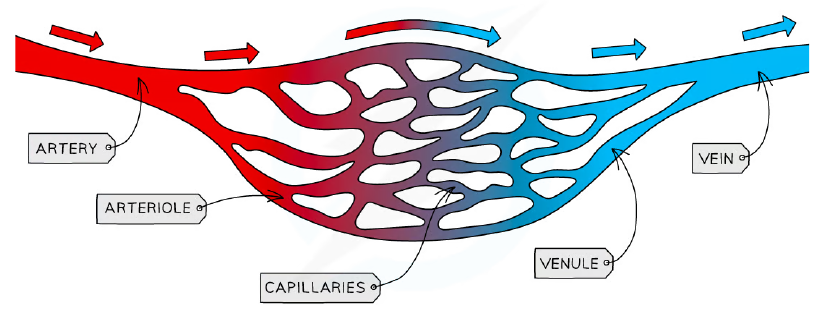
- Capillaries form capillary beds that provide the exchange surface between blood and tissues.
- Walls are one cell thick (single layer of endothelial cells), reducing diffusion distance for oxygen and carbon dioxide.
- Some capillaries have fenestrations (gaps) that allow blood plasma to leak out and form tissue fluid.
- Tissue fluid surrounds cells and enables exchange of oxygen, glucose, and other small molecules; large proteins cannot fit through fenestrations.
- Capillaries have a narrow lumen, forcing red blood cells to travel in single file, slowing blood flow and increasing opportunity for diffusion.
- Capillaries branch between cells, increasing surface area for diffusion and bringing blood close to cells.
The blood vessel network
Blood Vessels: Arteries
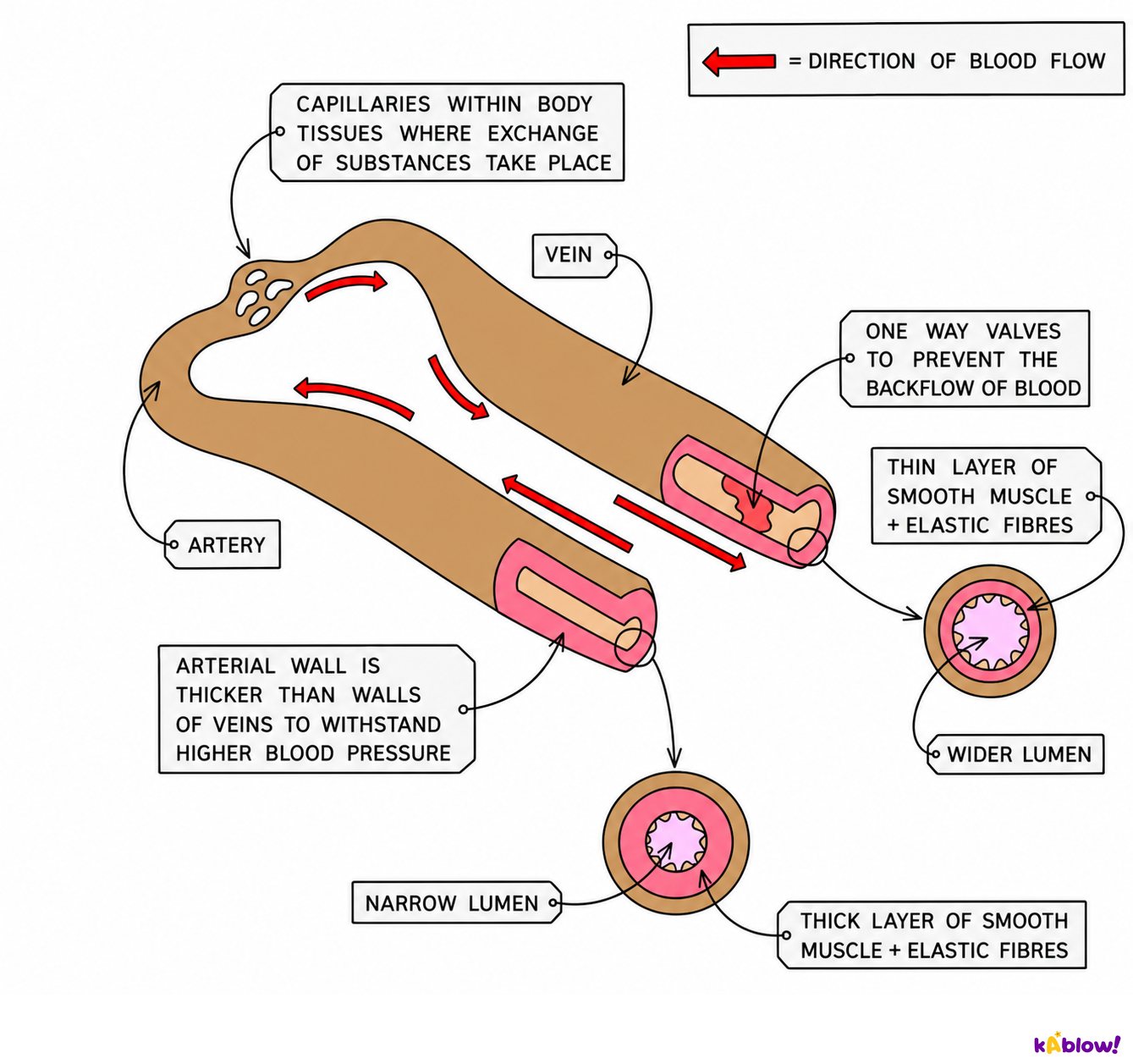
- Arteries transport blood away from the heart at high pressure.
- Walls have three layers: an inner endothelial layer (smooth, reduces friction), a middle layer of smooth muscle and elastic tissue, and an outer layer of collagen and elastic fibres.
- The thick muscle layer strengthens arteries to withstand high pressure and can contract or relax to regulate lumen diameter and blood pressure.
- Elastic tissue stretches and recoils to even out pressure fluctuations as the heart beats.
- Collagen prevents over-stretching and rupturing of the arterial wall as blood surges from the ventricles.
- Arteries have a narrow lumen to help maintain high blood pressure.
- Systolic pressure is the peak pressure in arteries when blood is forced out of ventricles; diastolic pressure is the lowest pressure when the heart relaxes.
- Vasoconstriction (decreased lumen diameter) increases blood pressure; vasodilation (increased lumen diameter) decreases it.
Comparing arteries and veins
Blood Vessels: Veins
- Veins transport blood towards the heart at low pressure.
- The middle layer is much thinner than in arteries because veins do not need to withstand high pressure.
- Veins have valves that prevent backflow of blood under low pressure.
- Walls are flexible, allowing surrounding skeletal muscles to compress them and push blood towards the heart.
- Veins have a wide lumen, maximising blood volume flow and reducing friction between blood and the endothelial layer.
- The rate of blood flow is slower in veins, but the larger lumen means the volume delivered per unit time is equal to that in arteries.
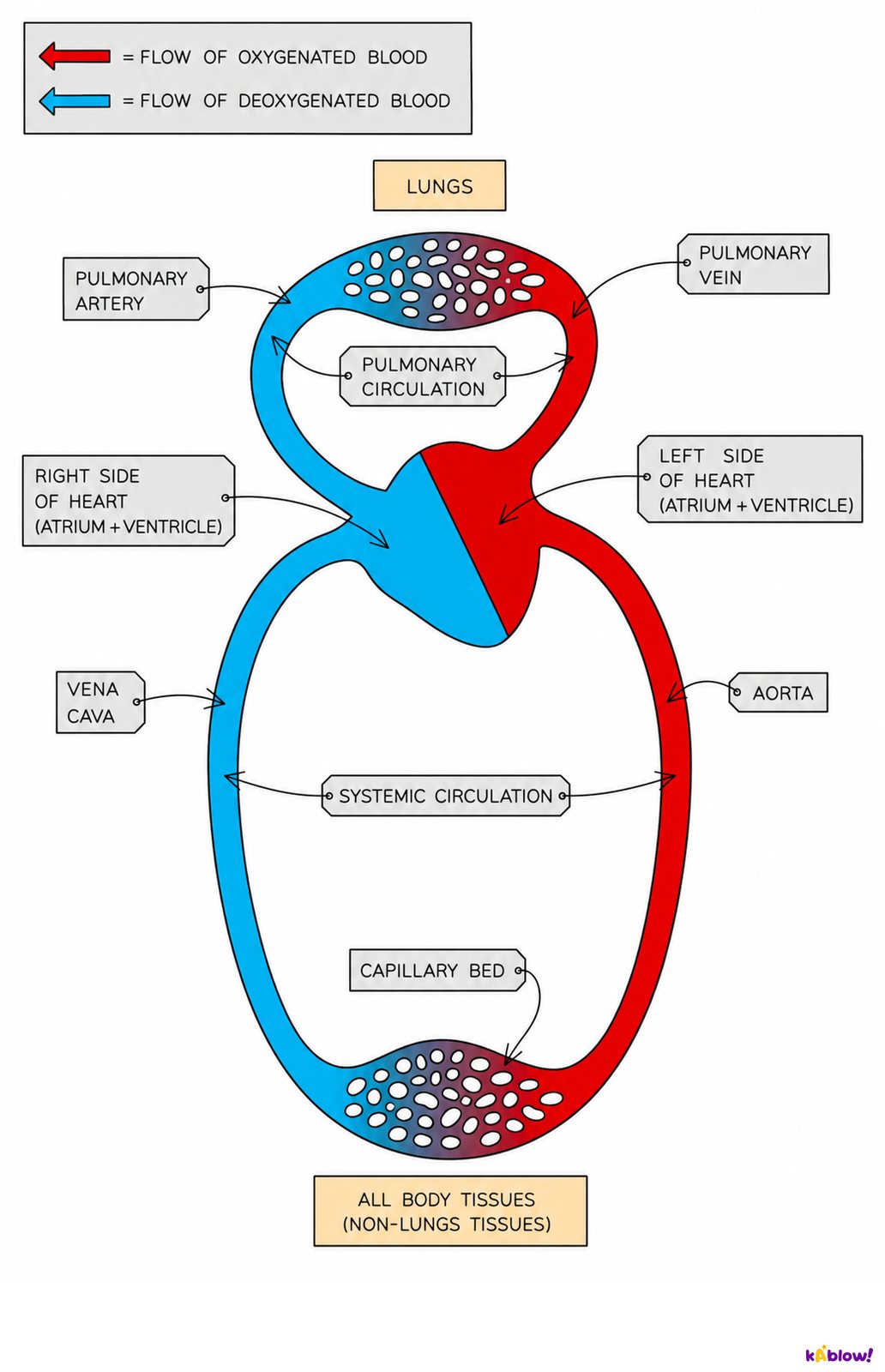
The main blood vessels of the body
Identifying Blood Vessels in Micrographs
- Arteries have thick walls (more collagen, elastic fibres, and smooth muscle) and a narrow lumen relative to wall thickness.
- Veins have thin walls and a wide lumen relative to wall thickness.
- These characteristics can be used to distinguish arteries and veins in micrographs.
Measuring Pulse Rate
- The contraction of ventricles forces blood through arteries, causing them to expand; this is felt as a pulse.
- Pulse can be measured at the carotid artery (side of neck, below jaw) or radial artery (wrist, below base of thumb).
- To measure pulse: place two fingers on the artery, gently compress, and count pulses for 60 seconds (or 30 seconds and multiply by 2).
- Do not use your thumb because it has its own pulse, which can lead to inaccurate results.
- Digital devices such as data loggers, smartwatches, or fitness bands can also measure pulse rate by scanning blood flow through the radial artery.
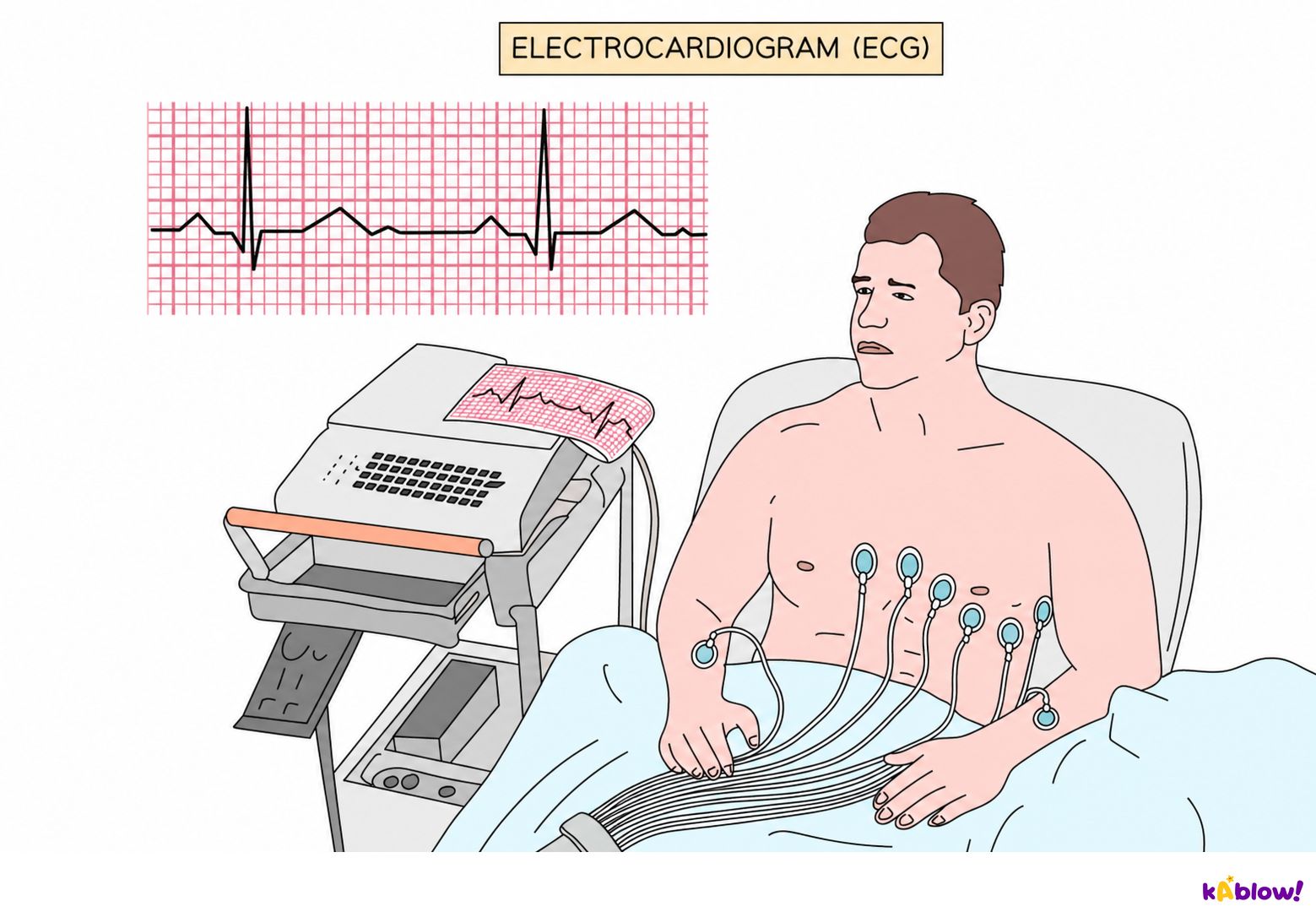
Monitoring heart rate
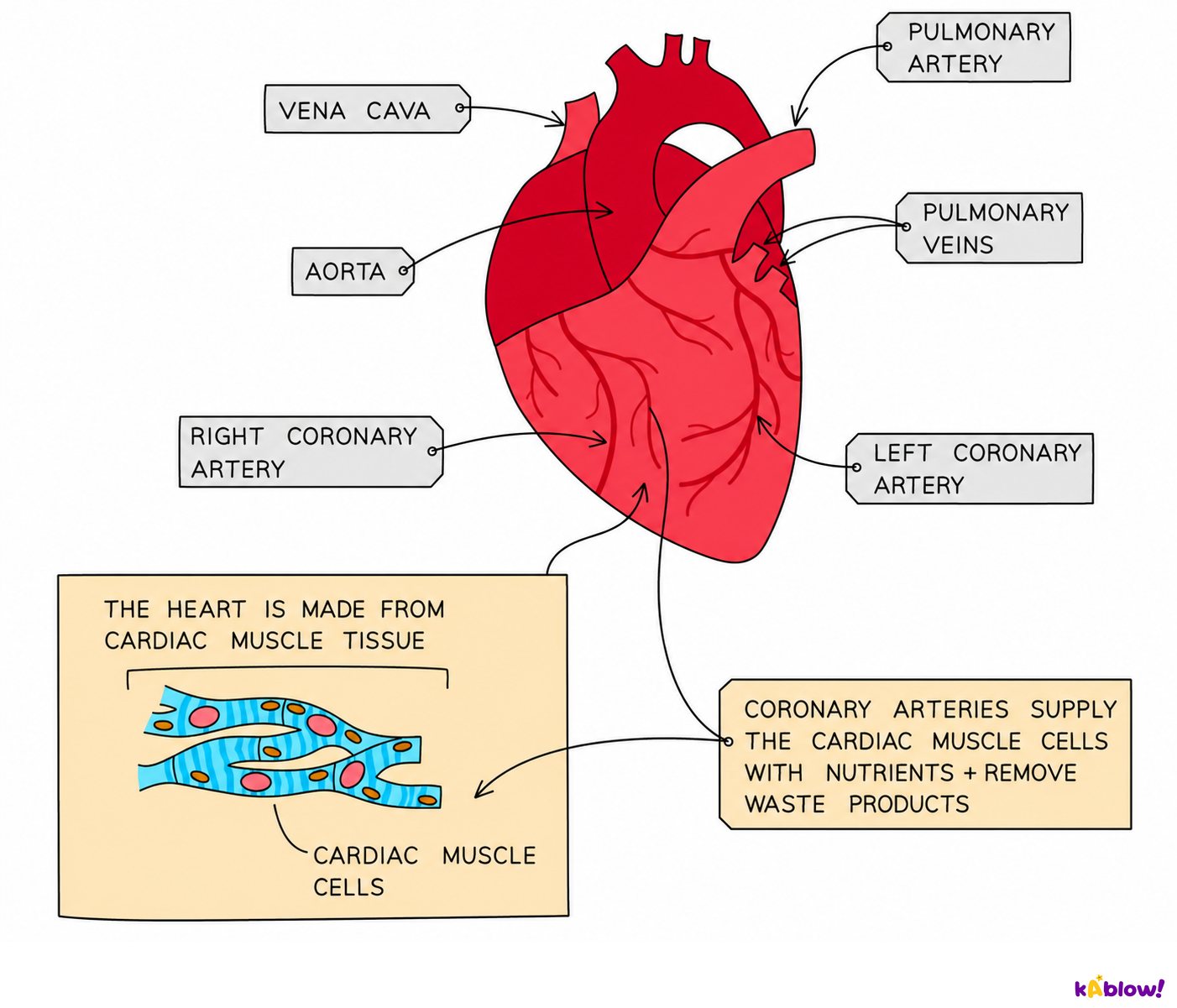
Coronary Heart Disease
- Occlusion is the narrowing of arteries due to a blockage.
- Atherosclerosis begins with damage to artery walls (e.g., from high blood pressure), leading to build-up of fatty deposits called atheromas under the endothelium.
- Atheromas narrow the lumen, reducing blood flow and increasing blood pressure, which causes further damage.
- Fibrous tissue repairs damage but is not elastic, reducing artery elasticity; the smooth lining breaks down forming plaques.
- Rupture of plaques can lead to blood clotting; a clot within a vessel is a thrombus, and a circulating clot is an embolus.
- An embolus blocking a small artery causes tissues downstream to lack oxygen and nutrients, leading to cell death; in coronary arteries this can cause a myocardial infarction (heart attack).
- Treatment for blocked coronary arteries includes heart bypass surgery, using a blood vessel from the patient's leg to create an alternative route.
The coronary arteries
Evaluating Data on Coronary Heart Disease
- Epidemiological studies provide correlation data, not definite causal links between risk factors (e.g., saturated fat intake) and coronary heart disease.
- Clinical studies of individual patients are often small and may not be representative.
- Controlled experiments (e.g., comparing normal diet vs high saturated fat diet) are not possible due to ethical considerations.
- When evaluating data, consider: sample size and representativeness, use of human subjects, statistical significance, presence of a control group, and replication.
- Control variables (e.g., prior health, lifestyle, age, sex) increase validity; researchers should not be biased, and data collection must be accurate.
- Correlation is an association between variables; it does not necessarily imply causation.
- The correlation coefficient (r) indicates strength of relationship: closer to 1 or -1 is stronger; 0 means no correlation.
The Transpiration Stream
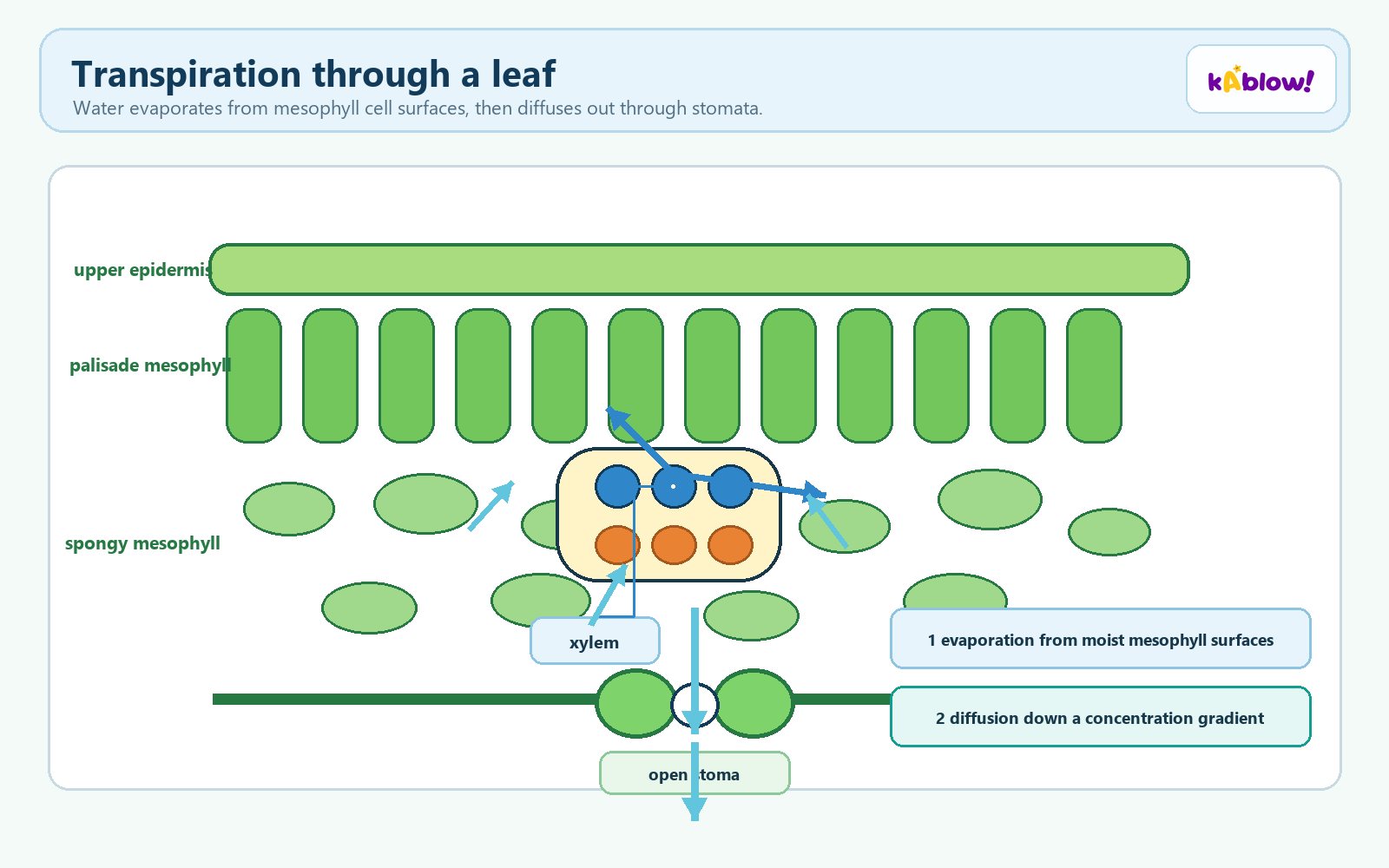
- Water evaporates from leaf cells during transpiration, drawing water from the nearest xylem vessels.
- Water molecules adhere to cell walls, enabling movement through cell walls; this is capillary action.
- Loss of water from xylem generates tension (negative pressure) within the xylem.
- Cohesion between water molecules transmits the pulling force down the stem to the roots; this is transpiration pull (cohesion-tension theory).
- The continuous upward flow of water in xylem is the transpiration stream.
- Transpiration cools the plant via evaporative cooling, helps uptake of mineral ions, and provides turgor pressure for support.
Transpiration through a leaf
Adaptations of Xylem Vessels
- Xylem vessels transport water and mineral ions from roots to leaves.
- Mature xylem vessels are non-living, with no cell contents or end walls, forming long, continuous, hollow tubes for unimpeded flow.
- Walls are thickened with cellulose and strengthened with lignin, making them tough and able to withstand very low internal pressures (tension) without collapsing.
- Walls contain pits (tiny pores) that allow water to enter and move sideways between vessels; if one vessel is damaged, water can flow into another.
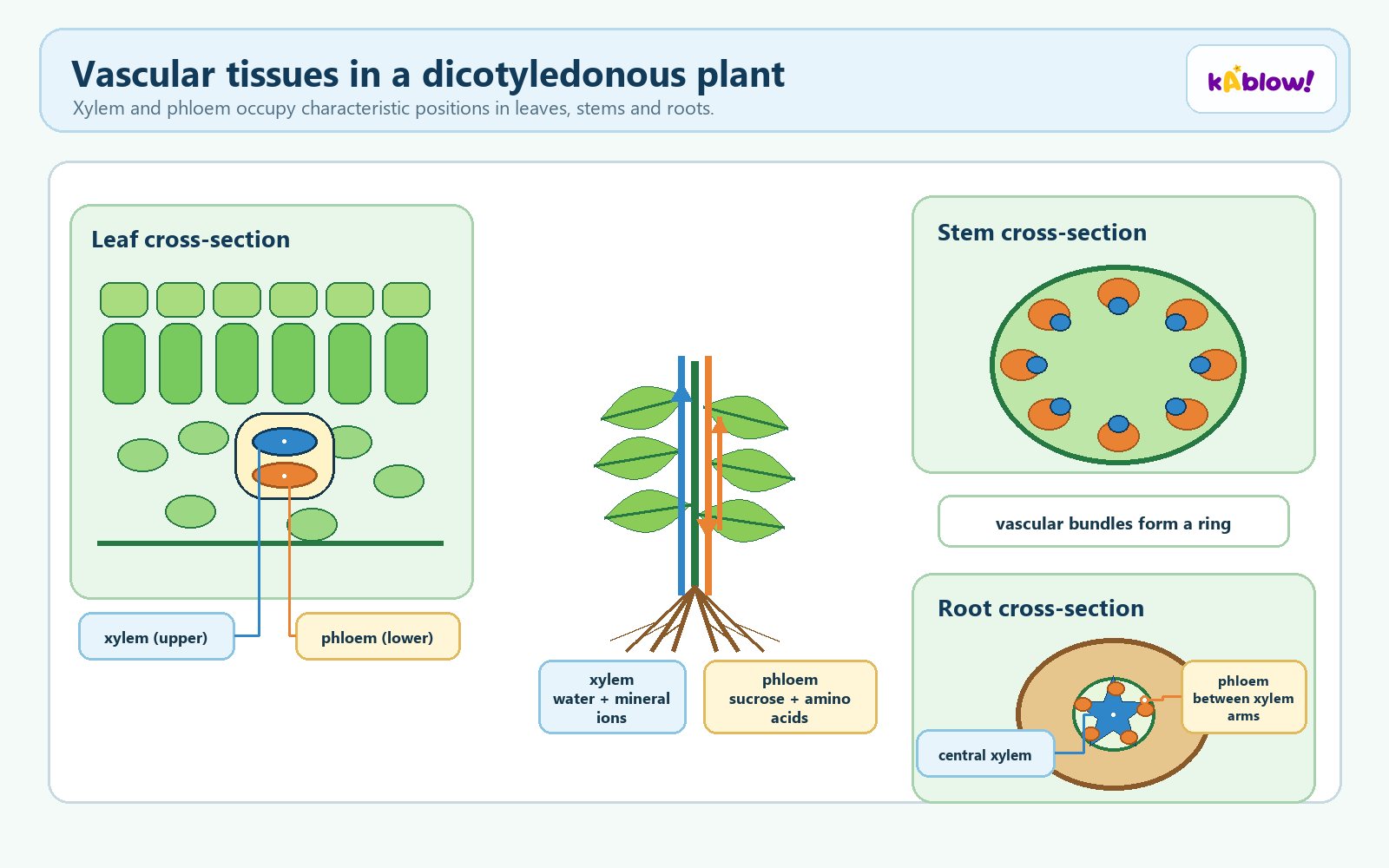
Vascular tissue in a plant
Drawing Root & Stem Structure
- In a dicotyledonous stem, tissues include: epidermis (outer layer, prevents water loss), parenchyma (cortex and pith, store starch), and vascular tissue in a ring of vascular bundles.
- In stem vascular bundles, xylem is on the outer part of the ring and phloem on the inner part.
- In a dicotyledonous root, xylem is centrally located in a cross-shaped structure, with phloem bundles between the arms of the xylem.
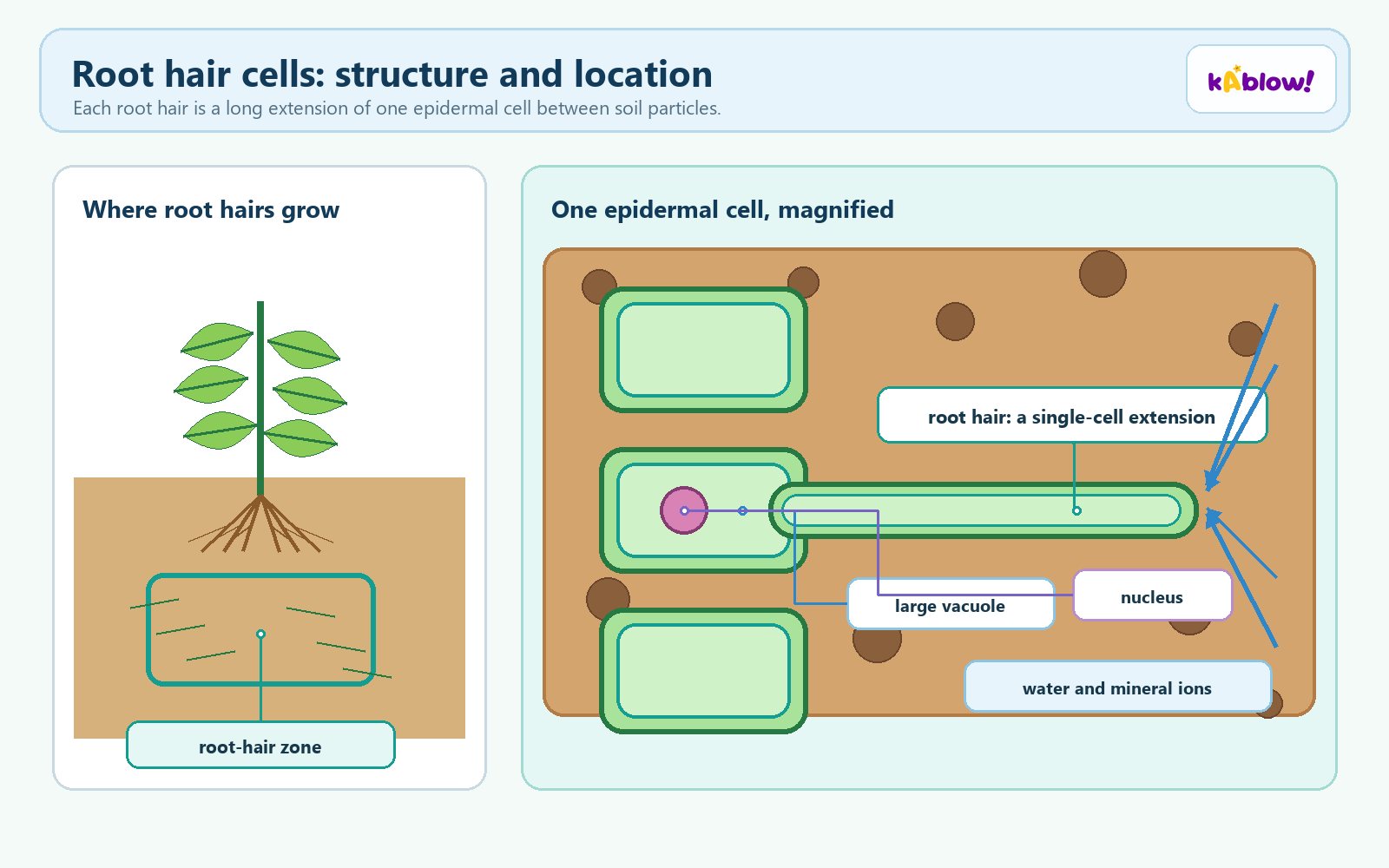
- Root cortex consists of parenchyma cells storing starch; epidermis forms outer layer; root hairs are specialised epidermal cells absorbing water and mineral ions.
- The endodermis forms the boundary between vascular tissue and cortex in a root.
- When drawing plan diagrams: do not draw individual cells, use clear continuous lines, avoid shading, pay attention to proportions, label clearly, and add a scale bar or estimated size.
- Annotate drawings with the main functions of the labelled structures.
Root hair cells: structure and location
Slide
Sign up free to view the lesson slides
Step through every slide for this topic — plus flashcards and revision notes — with a free account.
Câu hỏi luyện tập
Xem trước miễn phí — 8 trên 59 câu hỏi. Đăng ký để xem tất cả.
1.Which blood vessel carries blood away from the heart?
Easy- AArtery
- BVein
- CCapillary
- DVenule
2.Which blood vessel has walls that are one cell thick?
Easy- AArtery
- BVein
- CCapillary
- DArteriole
3.Veins contain valves to prevent the backflow of blood.
EasyTrue or false?
4.Arteries have a wider lumen than veins.
EasyTrue or false?
5.What is the main function of the elastic tissue in the wall of an artery?
Easy- ATo contract and relax to control the diameter of the lumen
- BTo stretch and recoil to maintain blood pressure
- CTo reduce friction between blood and the vessel wall
- DTo allow exchange of gases between blood and tissues
6.Which structure in a capillary allows blood plasma to leak out and form tissue fluid?
Easy- AValves
- BFenestrations
- CElastic fibres
- DSmooth muscle cells
7.Which of the following are characteristics of capillaries? (select all that apply)
Medium- AWalls are one cell thick
- BHave a narrow lumen
- CContain valves
- DHave fenestrations
- EHave a thick layer of smooth muscle
8.Which of the following best defines systolic pressure?
Medium- AThe lowest pressure reached in the arteries as the heart relaxes
- BThe peak pressure reached in the arteries as blood is forced out of the ventricles
- CThe pressure in the veins when skeletal muscles contract
- DThe pressure in the capillaries during exchange of substances
Unlock all 59 questions & more
Tạo tài khoản miễn phí để xem mọi câu hỏi, slide, thẻ ghi nhớ và ghi chú ôn tập cho chủ đề này.