Mass Weight And Density
Học bằng cách chơi
Trả lời những câu hỏi này để kiếm năng lượng, rồi câu cá và khám phá. Không cần tài khoản.
Ghi chú bài học
Mass & Weight
- Mass is the quantity of matter in an object; it resists changes in motion (inertia).
- Mass is a scalar quantity measured in kilograms (kg).
- Weight is the gravitational force on an object; it is a vector measured in newtons (N).
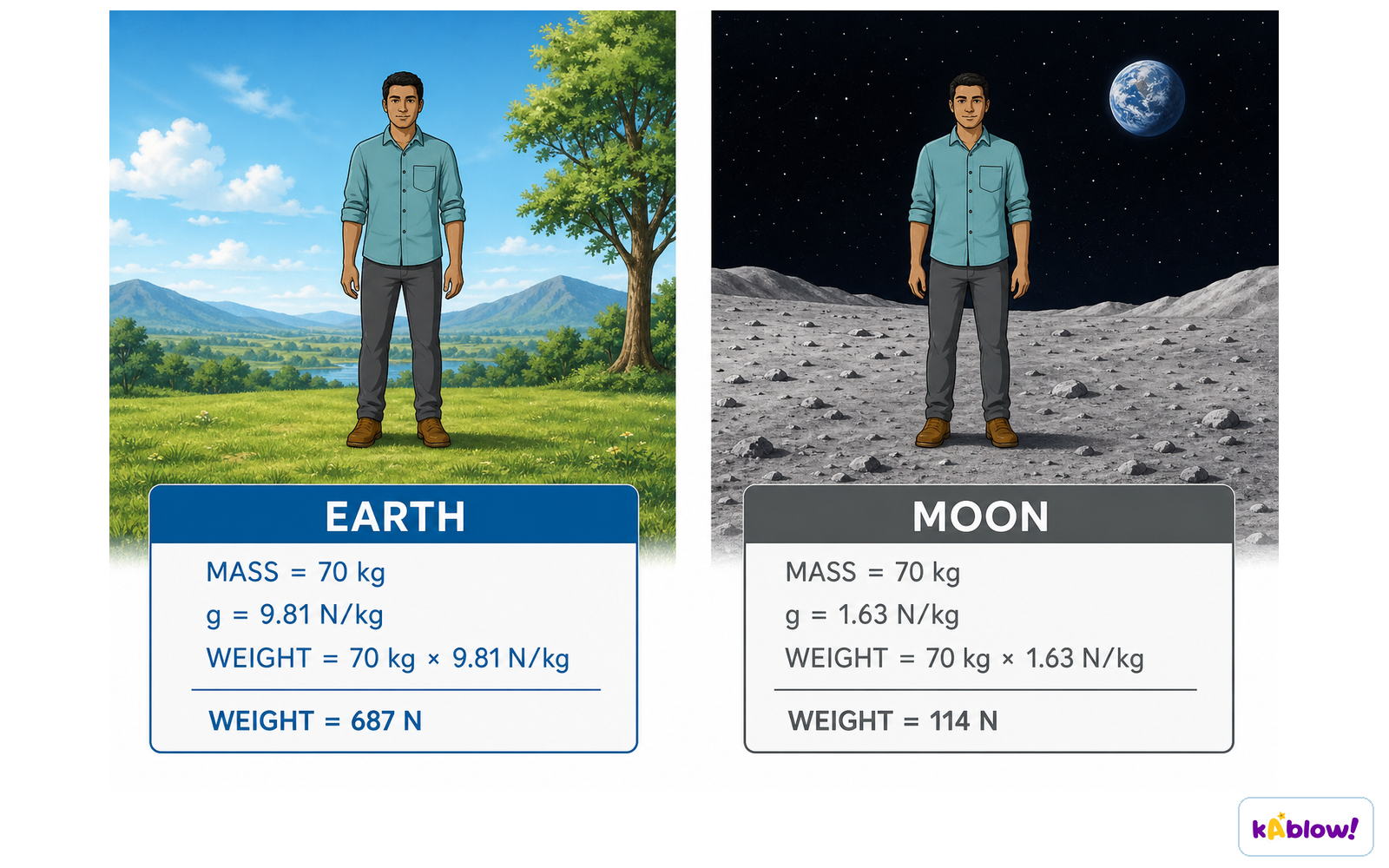
- Weight depends on the gravitational field strength (g): W = m × g.
- On Earth, g ≈ 9.8 N/kg; on the Moon, g ≈ 1.6 N/kg – weight changes but mass stays the same.
Mass and Weight on Earth and the Moon
Gravitational Field Strength
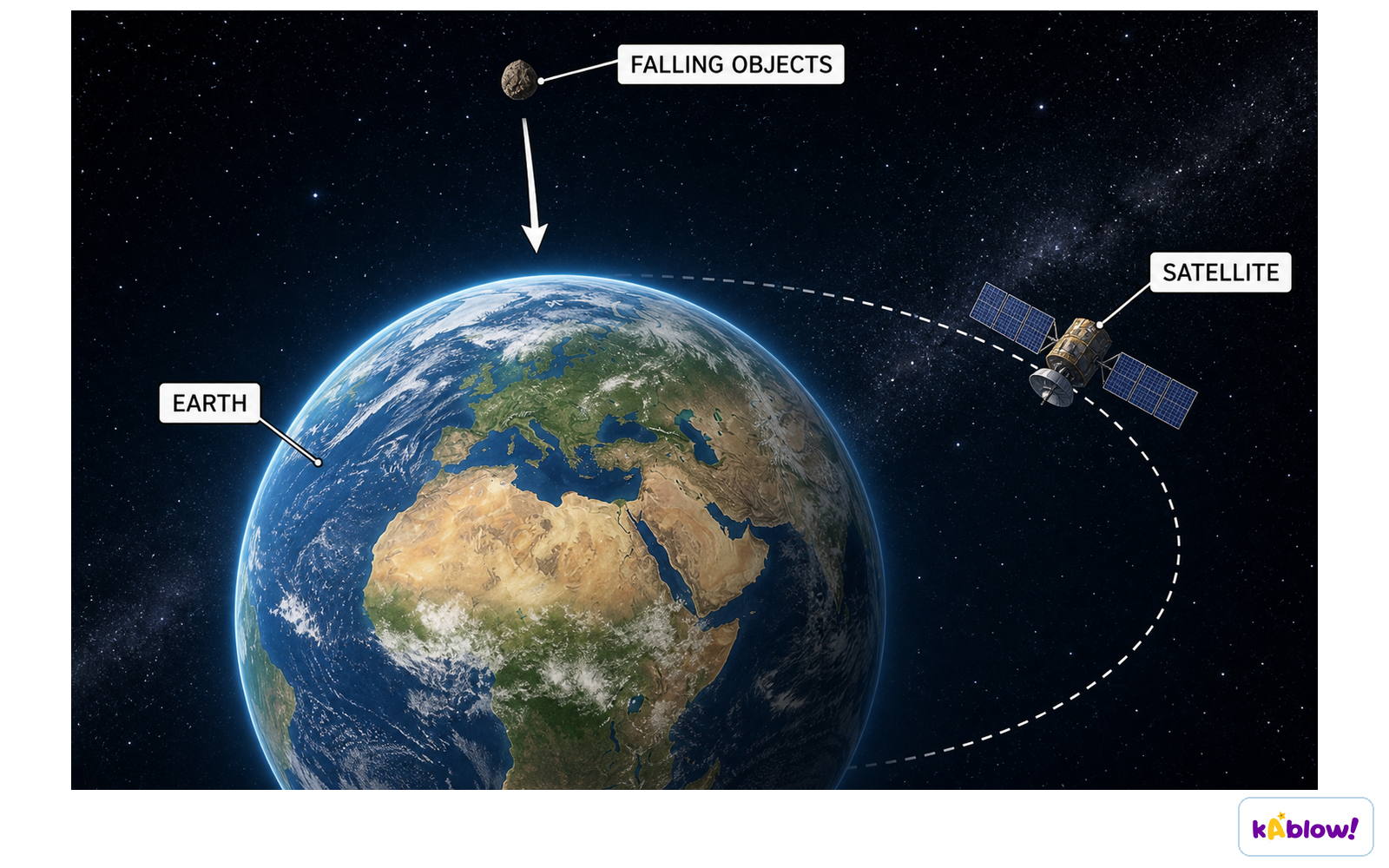
- Gravitational field strength (g) is the force per unit mass: g = W / m.
- It is measured in N/kg and is equivalent to the acceleration of free fall (9.8 m/s² on Earth).
- The weight of an object is given by W = m × g.
Gravitational Field Strength
Density
- Density (ρ) is the mass per unit volume: ρ = m / V.
- Units: kg/m³ or g/cm³ (1 g/cm³ = 1000 kg/m³).
- Low-density materials (e.g., gases) have particles spread out; high-density materials (e.g., solids) have particles closely packed.
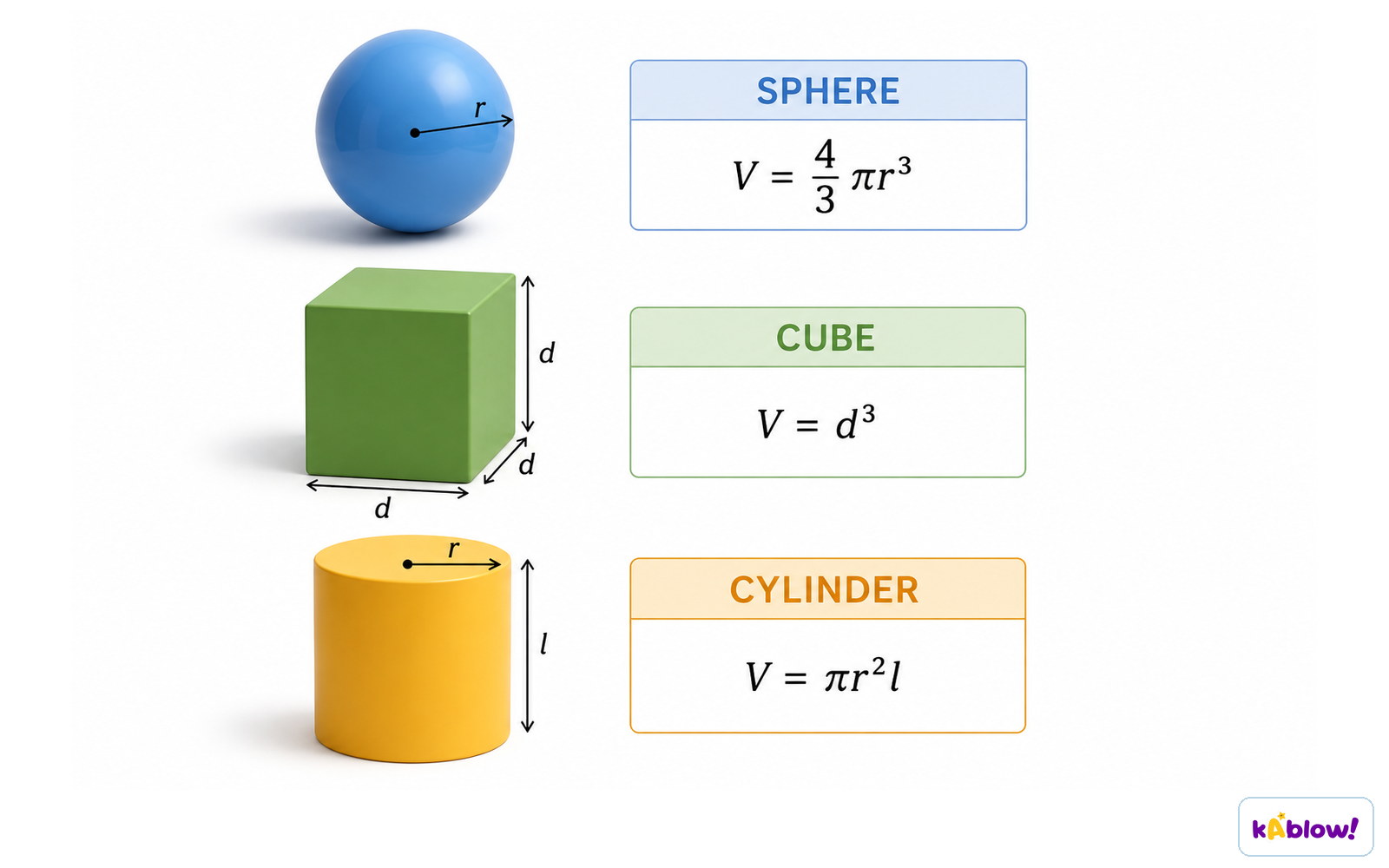
- Volume of regular solids: cube = l³, cuboid = l × w × h, cylinder = πr²h, sphere = (4/3)πr³.
Volume Formulas for Common Shapes
Measuring Density of Regular Solids
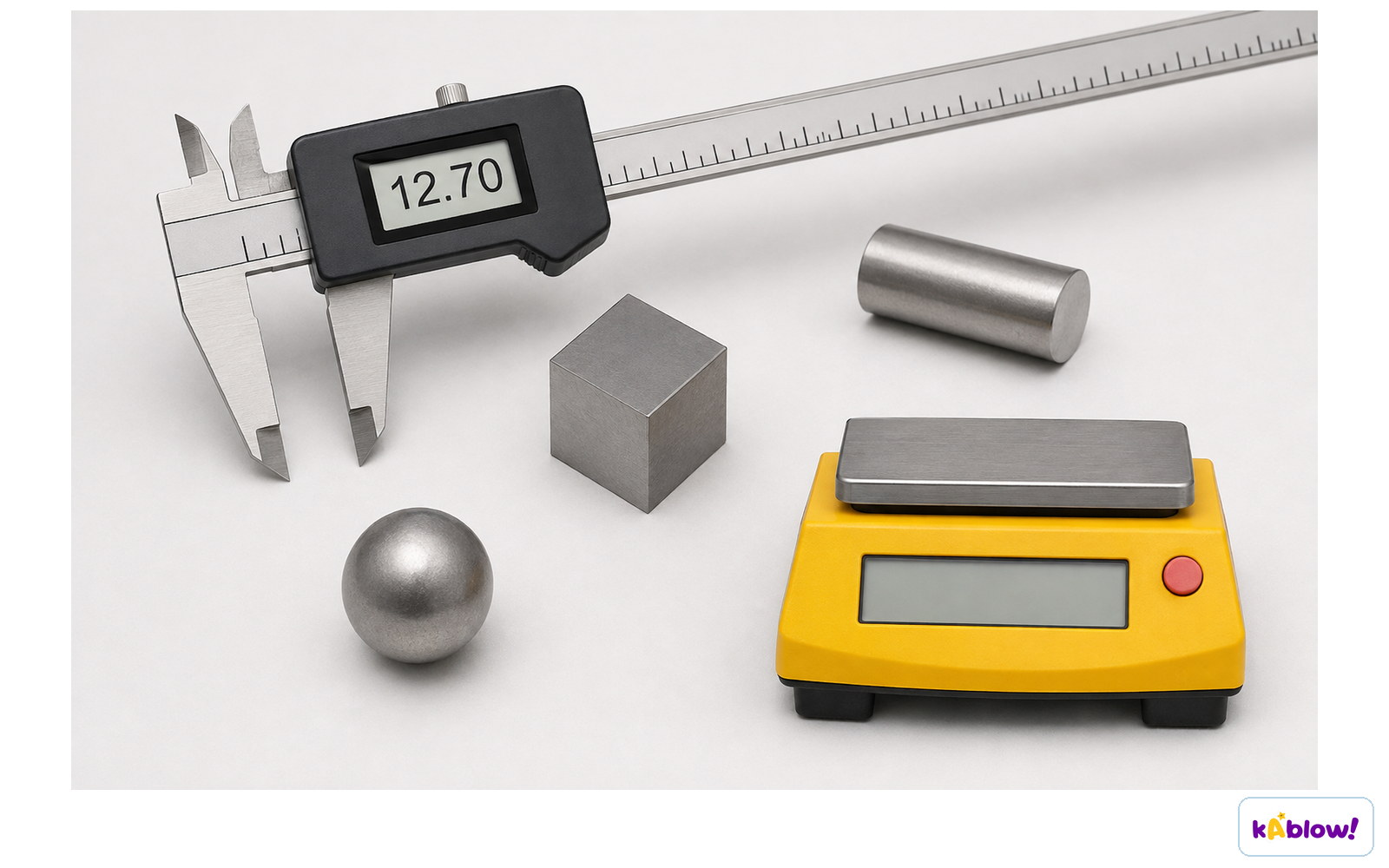
- Measure mass using a digital balance.
- Measure dimensions with a ruler, Vernier calipers, or micrometer.
- Calculate volume from dimensions, then density = mass / volume.
- Repeat measurements and take averages to reduce random error.
Equipment for Measuring Regular Solids
Measuring Density of Irregular Solids
- Measure mass using a digital balance.
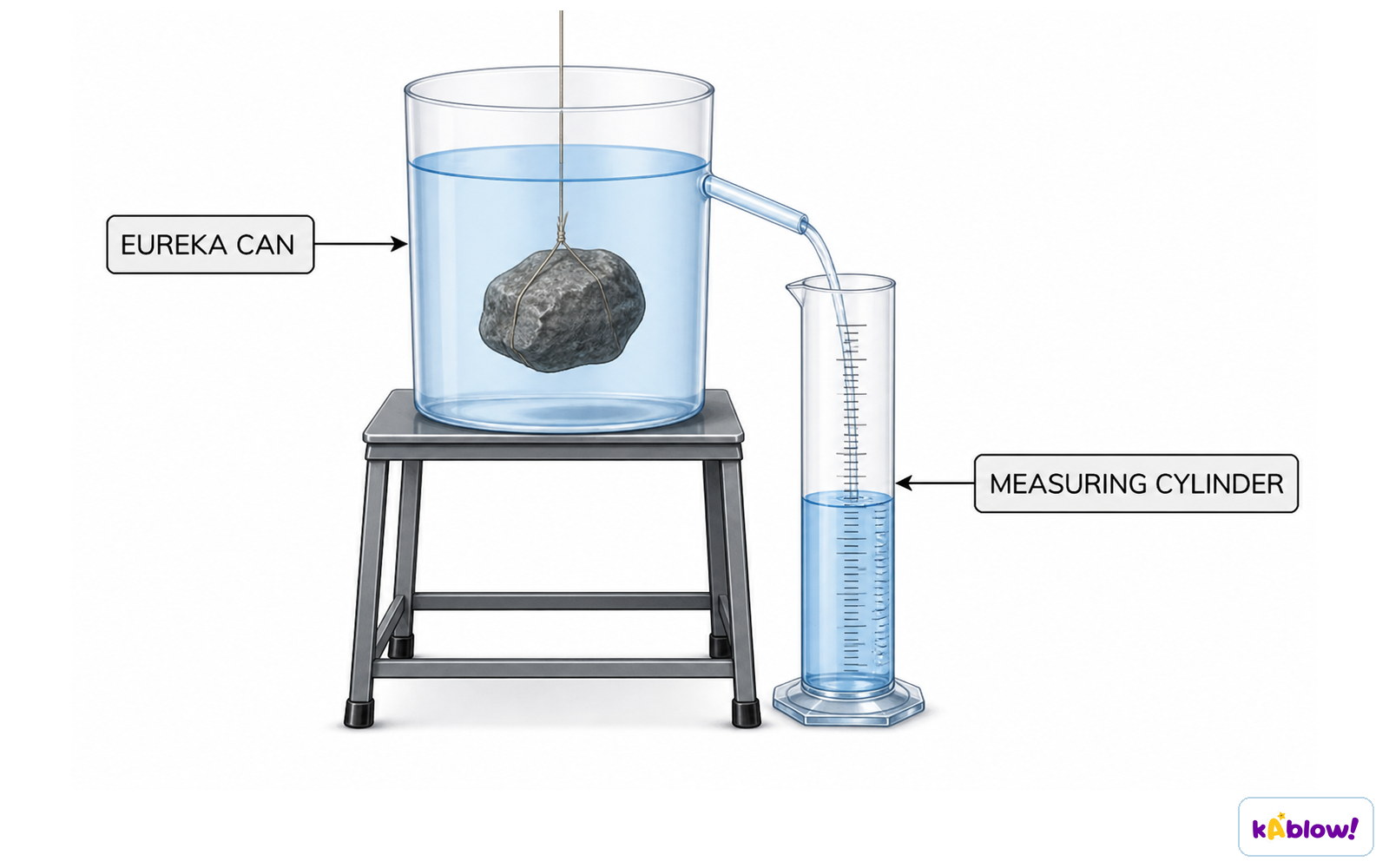
- Use a displacement can (Eureka can) filled with water just below the spout.
- Submerge the object; collect displaced water in a measuring cylinder.
- Volume of displaced water = volume of object; then calculate density.
Eureka Can Setup
Measuring Density of Liquids
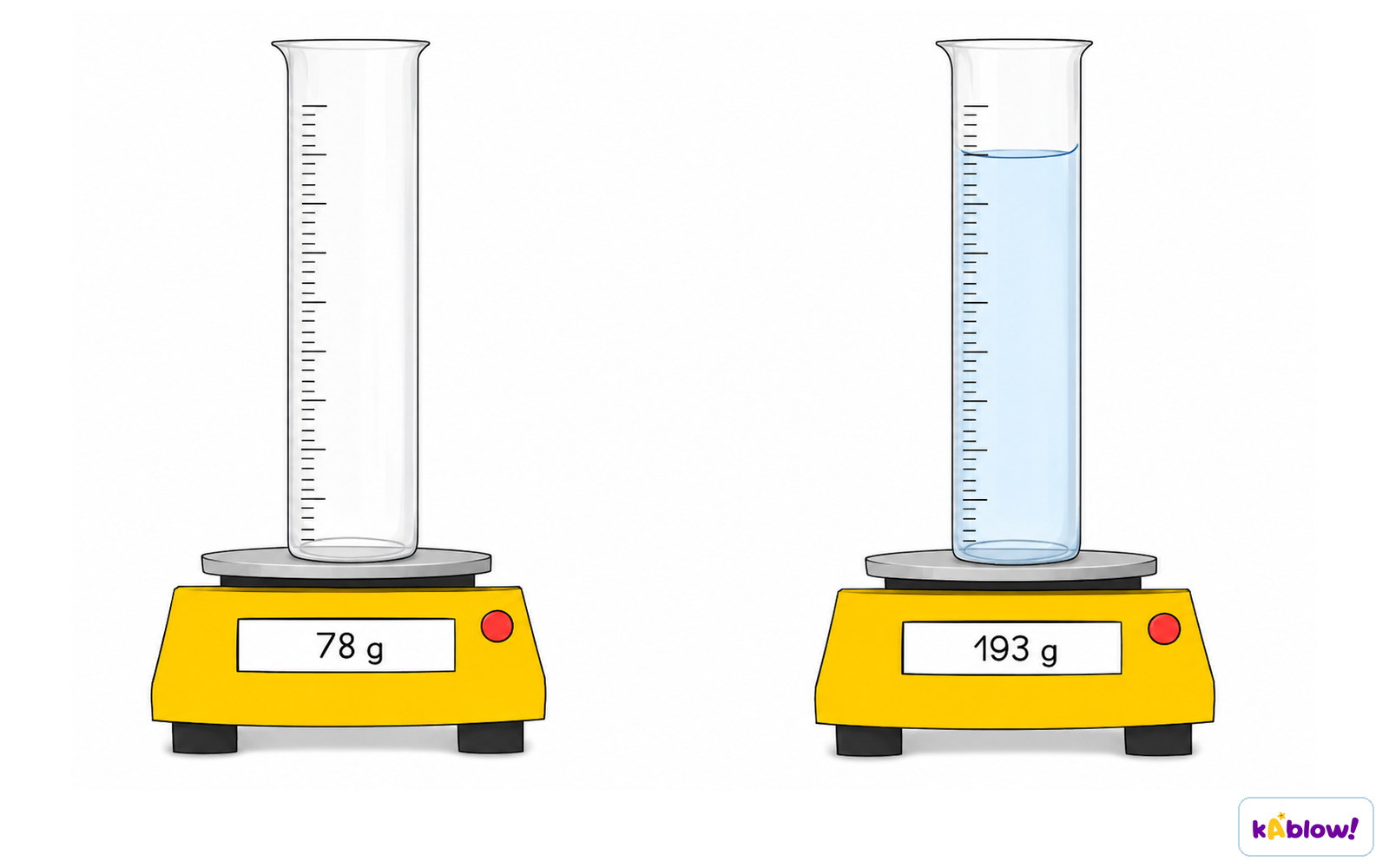
- Measure mass of empty measuring cylinder, then add known volume of liquid.
- Mass of liquid = (mass of cylinder + liquid) – mass of empty cylinder.
- Density = mass of liquid / volume of liquid.
- Zero the balance before each measurement to avoid systematic error.
Measuring the Density of a Liquid
Floating & Sinking
- An object floats if its density is less than the fluid's density; sinks if greater.
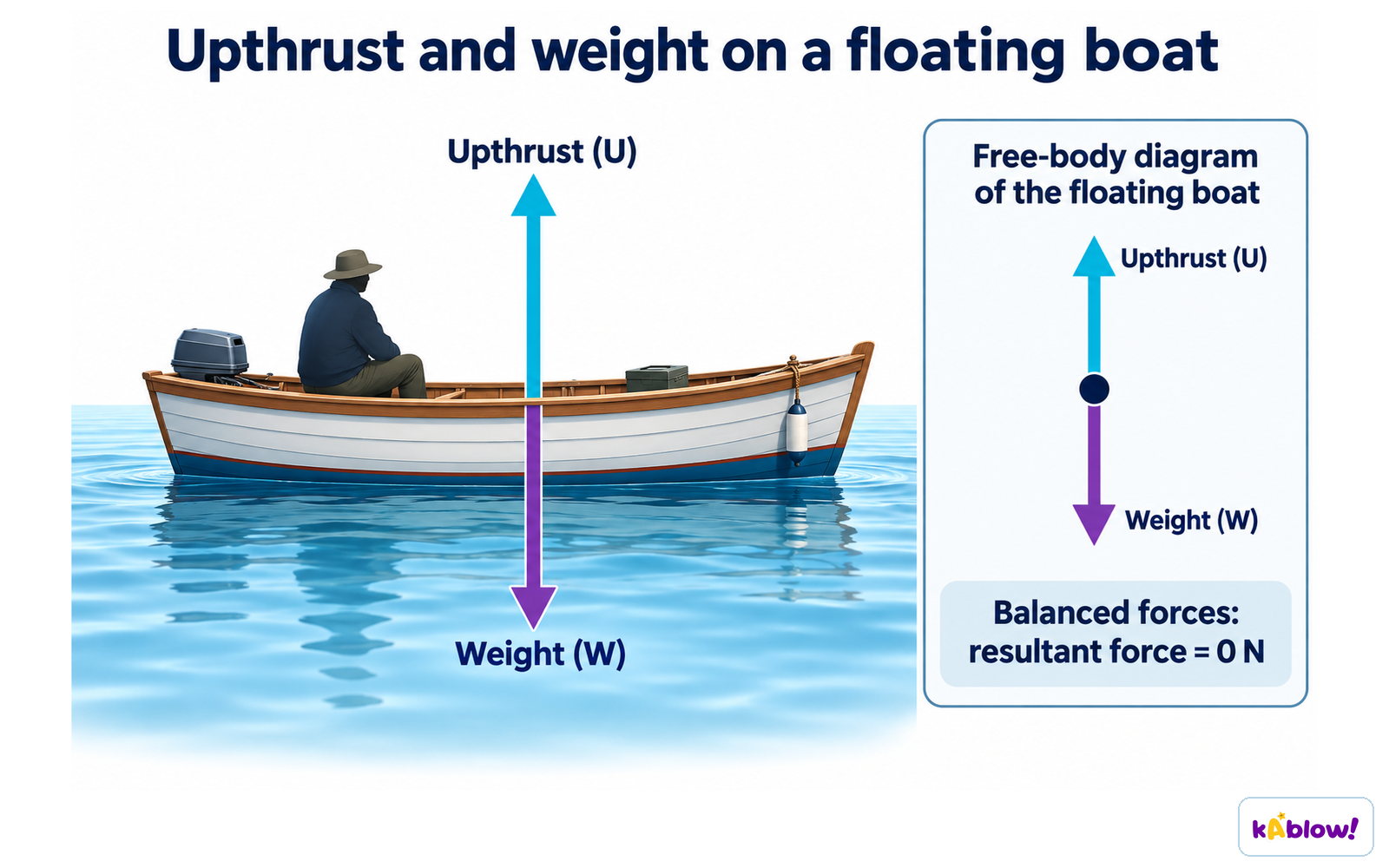
- Upthrust is an upward force on a submerged object, opposite to weight.
- Floating occurs when upthrust = weight; sinking when upthrust < weight.
- Upthrust depends on fluid density and volume of fluid displaced.
Upthrust and Weight on a Boat
Slide
Sign up free to view the lesson slides
Step through every slide for this topic — plus flashcards and revision notes — with a free account.
Câu hỏi luyện tập
Xem trước miễn phí — 8 trên 61 câu hỏi. Đăng ký để xem tất cả.
1.Which of the following is a measure of the quantity of matter in an object?
Easy- AWeight
- BMass
- CDensity
- DVolume
2.What is the unit of weight?
Easy- Akilogram
- Bnewton
- Ckg/m³
- Dm/s²
3.Mass is a vector quantity.
EasyTrue or false?
4.State the equation that links weight, mass and gravitational field strength.
Easy5.An object has a mass of 4.5 kg. What is its mass in grams?
Easy- A4950
- B5400
- C4050
- D4500
6.A paving slab has a mass of 73 kg and dimensions 0.04 m × 0.5 m × 0.85 m. Calculate its density in kg/m³ (round to two significant figures).
Hard- A4730
- B4300
- C5160
- D3870
7.Which of the following correctly describes the relationship between density and floating?
Easy- AAn object floats if its density is greater than the density of the fluid.
- BAn object floats if its density is less than the density of the fluid.
- CAn object floats if its density equals the density of the fluid.
- DAn object always floats regardless of density.
8.Name the force that pushes upwards on an object submerged in a fluid.
Easy
Unlock all 61 questions & more
Tạo tài khoản miễn phí để xem mọi câu hỏi, slide, thẻ ghi nhớ và ghi chú ôn tập cho chủ đề này.