Specialised cells
Học bằng cách chơi
Trả lời những câu hỏi này để kiếm năng lượng, rồi câu cá và khám phá. Không cần tài khoản.
Ghi chú bài học
What are specialised cells?
- Many cells look similar, but some have special features that help them perform unique jobs.
- These are called specialised cells.
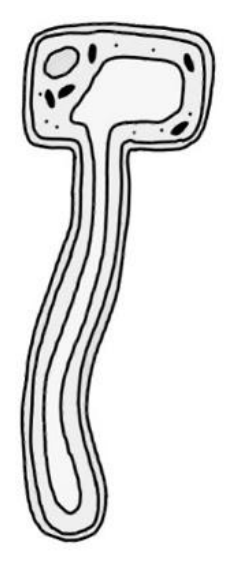
Root hair cells
- Function: Absorb water and nutrients from the soil to help a plant grow.
- Adaptation: Long, hair-like projections increase surface area for efficient absorption.
Root hair cell
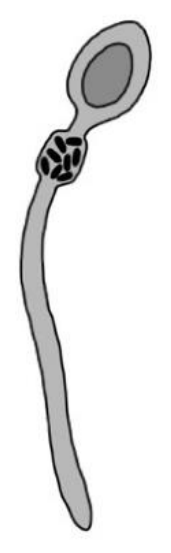
Sperm cells
- Function: Fertilise an egg cell (ovum) for reproduction.
- Adaptation: Long tail (flagellum) helps them swim toward the egg.
- Adaptation: Streamlined shape and head containing enzymes to penetrate the egg.
- Adaptation: Head contains the cell's genetic material.
Sperm cell
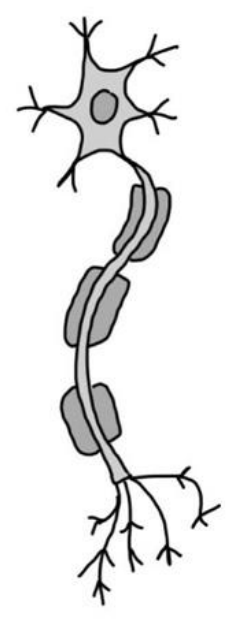
Nerve cells (neurons)
- Function: Transmit electrical signals throughout the body to control body functions, send messages from the brain, and respond to stimuli.
- Adaptation: Long extensions called axons and dendrites connect with other nerve cells to transmit signals quickly over long distances.
Nerve cell (neuron)
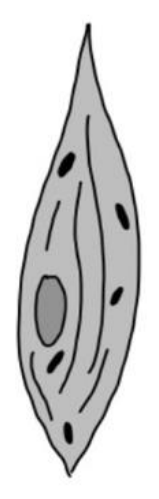
Muscle cells
- Function: Produce movement by contracting and relaxing in response to signals from the nervous system.
- Adaptation: Long and can change shape by contracting.
- Adaptation: Contain many mitochondria to provide energy for contraction.
Muscle cell
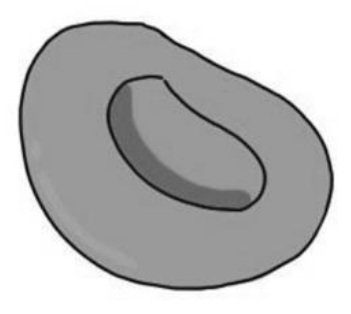
Red blood cells
- Function: Carry oxygen in the blood to the rest of the body.
- Adaptation: Biconcave shape increases surface area for absorbing oxygen.
- Adaptation: Small and flexible to fit through tiny blood vessels.
Red blood cell
Slide
Sign up free to view the lesson slides
Step through every slide for this topic — plus flashcards and revision notes — with a free account.
Câu hỏi luyện tập
Xem trước miễn phí — 8 trên 26 câu hỏi. Đăng ký để xem tất cả.
1.Which of the following is true about specialised cells?
Easy- AThey have special features to perform unique jobs
- BThey all have the same shape and size
- CThey cannot perform any specific function
- DThey are only found in animals
2.Root hair cells are adapted to absorb water and nutrients by having:
Easy- ALong, hair-like projections that increase surface area
- BA long tail for swimming
- CMany mitochondria for energy
- DA biconcave shape
3.Why do muscle cells contain many mitochondria?
Medium- ATo provide energy for contraction
- BTo increase surface area for oxygen absorption
- CTo help them swim
- DTo transmit electrical signals
4.A student says: 'All specialised cells have the same basic structure but differ in function.' Is this statement correct?
Medium- ANo, specialised cells have different structures adapted to their functions
- BYes, all cells are identical in structure
- CYes, but only in plants
- DNo, specialised cells have no specific function
5.The diagram below shows a specialised cell. Which cell is it?
Easy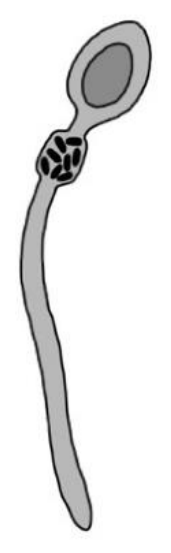
- ASperm cell
- BRed blood cell
- CNerve cell
- DMuscle cell
6.The diagram below shows a specialised cell. What is its main function?
Medium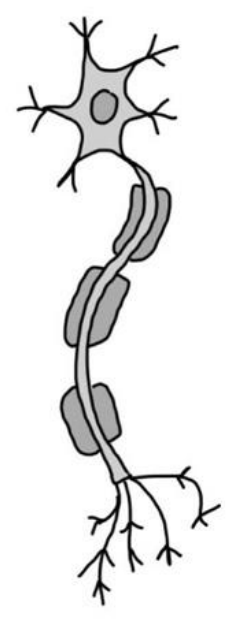
- ATo carry oxygen
- BTo absorb water and nutrients
- CTo transmit electrical signals
- DTo contract and produce movement
7.A student is studying a specialised cell that is long, has many mitochondria, and can change shape. Which type of cell is the student most likely observing?
Medium- AMuscle cell
- BNerve cell
- CSperm cell
- DRed blood cell
8.A scientist measures the surface area of a root hair cell and a typical plant cell. The root hair cell has a surface area of 0.5 mm², while the typical cell has 0.1 mm². How many times greater is the surface area of the root hair cell?
Medium- A5 times
- B0.2 times
- C0.5 times
- D50 times
Unlock all 26 questions, flashcards & more
Tạo tài khoản miễn phí để xem mọi câu hỏi, slide, thẻ ghi nhớ và ghi chú ôn tập cho chủ đề này.