Wave properties
边玩边学
回答这些题目来赚取能量,然后钓鱼探索。无需账号。
给教育者: 面向 Wave properties(NGSS Middle School Science,Physics)的即用型课程幻灯片, 复习笔记, 图示——用在你的课堂上,或将该知识点作为学习者可实时游玩的互动课堂活动来运行。
课程笔记
What is a Wave?
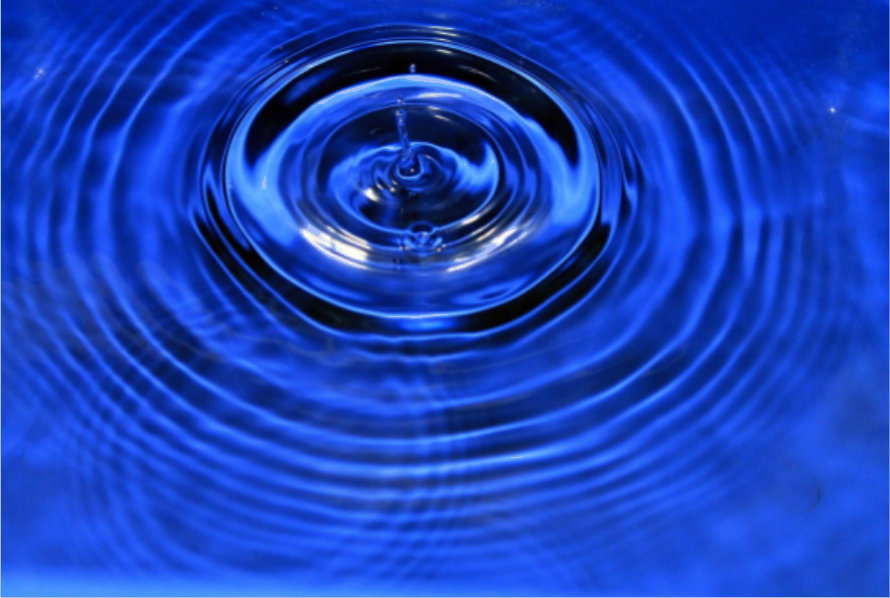
- Waves are regular patterns of motion that transfer energy from one place to another.
- Waves travel through a medium (e.g., water, air, rope) but do not transfer matter.
- In a water wave, water molecules move mostly up and down in a circular motion, not along with the wave.
- Examples of waves include ocean waves, sound waves, and light waves.
A dog jumping into a swimming pool.

Describing Waves: Amplitude, Wavelength, Frequency
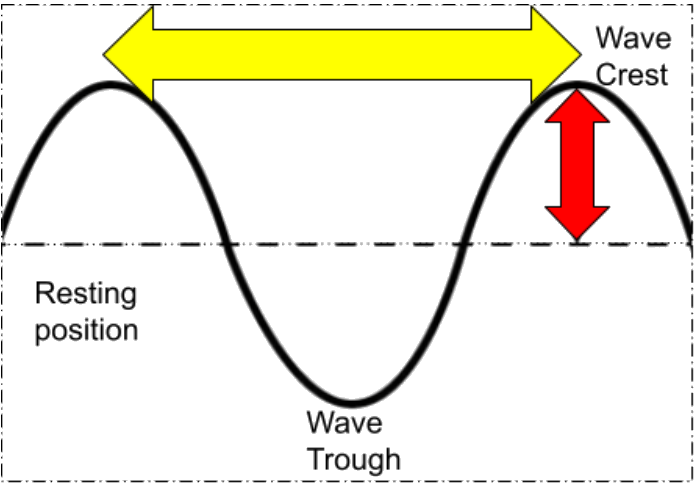
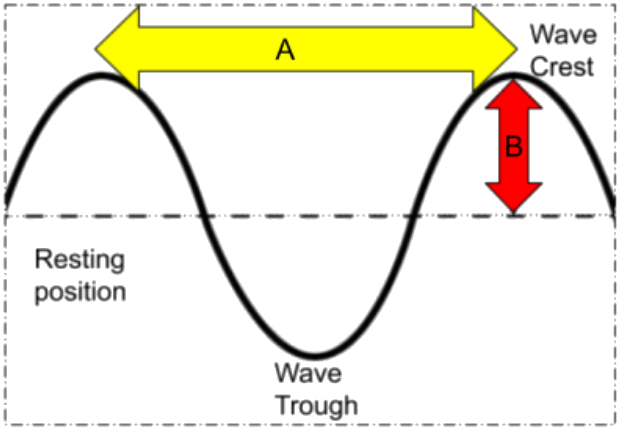
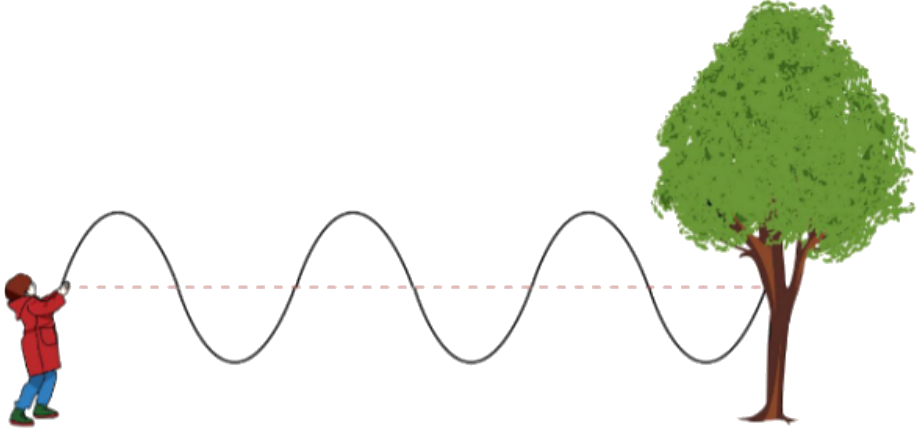
- Amplitude is the maximum distance particles move from their resting position.
- Wavelength is the distance between two corresponding points on consecutive waves (e.g., peak to peak).
- Frequency is how quickly waves occur in a given time.
- Crest = highest point of a wave; trough = lowest point.
- Longer wavelength → lower frequency; shorter wavelength → higher frequency.
Diagram showing wave crest, trough, resting position, wavelength, and amplitude
Types of Waves: Transverse and Longitudinal
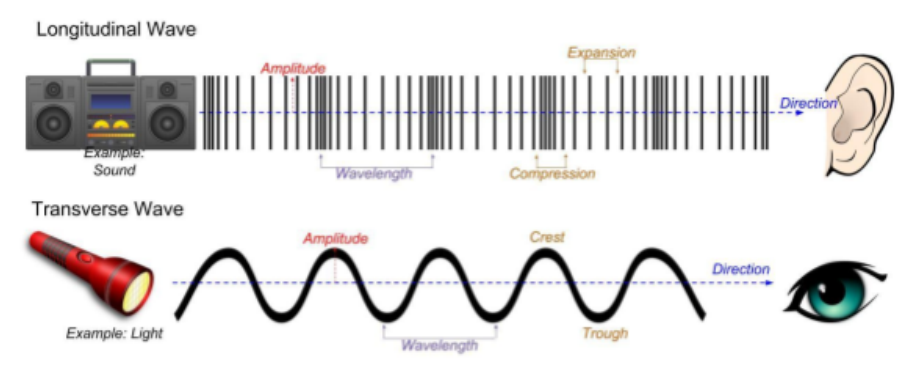
- In a transverse wave, particles vibrate perpendicular (at right angles) to the direction of wave travel (e.g., light, ocean waves).
- In a longitudinal wave, particles vibrate parallel (same direction) to wave travel (e.g., sound waves).
- A slinky pushed and pulled creates a longitudinal wave; a rope moved up and down creates a transverse wave.
Longitudinal and transverse waves compared.
Energy and Amplitude Relationship
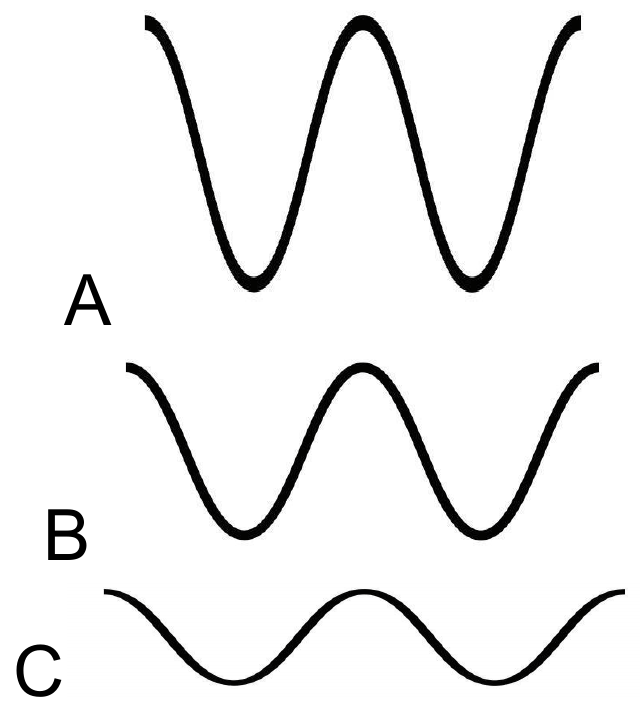
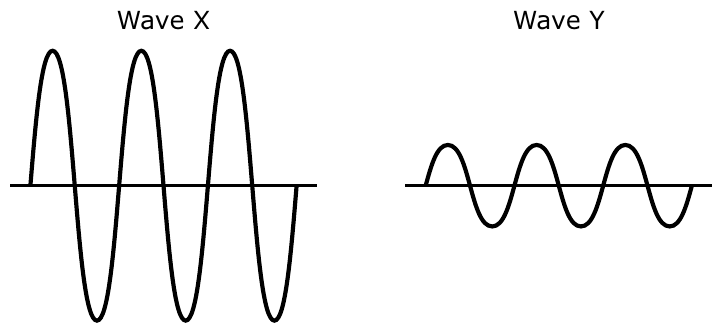
- A wave with higher amplitude carries more energy.
- Higher amplitude moves particles a greater distance from rest, requiring more energy.
- Louder sound = higher amplitude; brighter light = higher amplitude.
- A larger rock thrown into water creates higher-amplitude waves with more energy than a small rock.
Three waves of different amplitude, A, B and C.
Visible Light Spectrum
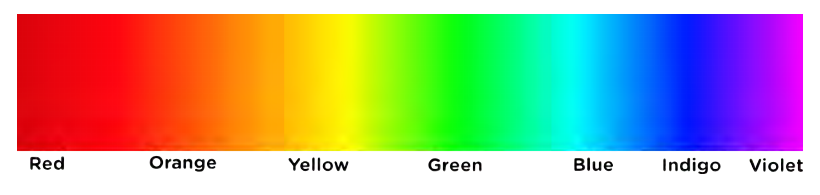
- White light is composed of seven colors: red, orange, yellow, green, blue, indigo, violet (ROYGBIV).
- The visible spectrum is the range of light wavelengths visible to the human eye.
- Dispersion (e.g., by a prism) splits white light into its component colors.
- Each color has a different wavelength and frequency.
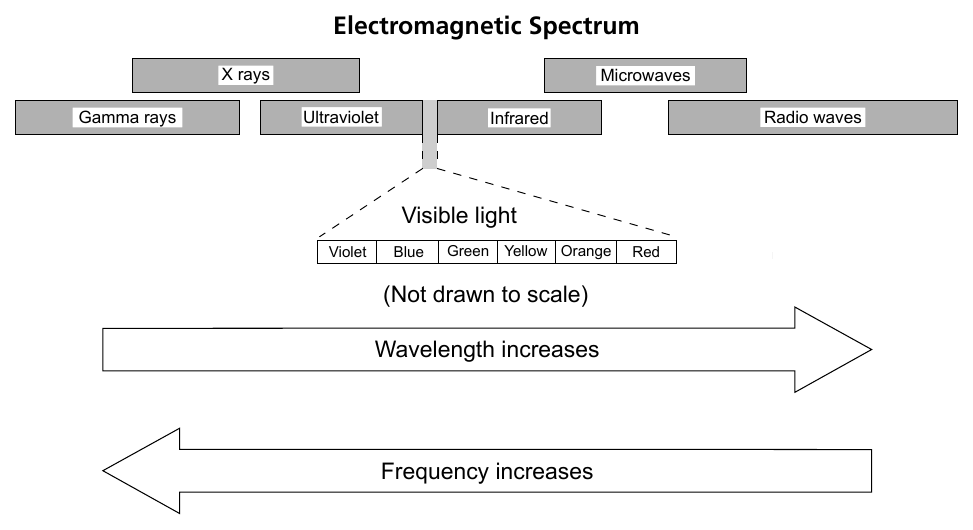
The visible light spectrum, red through violet.
Colors and Wavelengths
- Red and orange light have the longest wavelengths and lowest frequencies in visible light.
- Violet and indigo have the shortest wavelengths and highest frequencies.
- The order of colors from longest to shortest wavelength is: red, orange, yellow, green, blue, indigo, violet.
A sine wave overlaid on the visible spectrum.

Primary Colors of Light vs. Paint
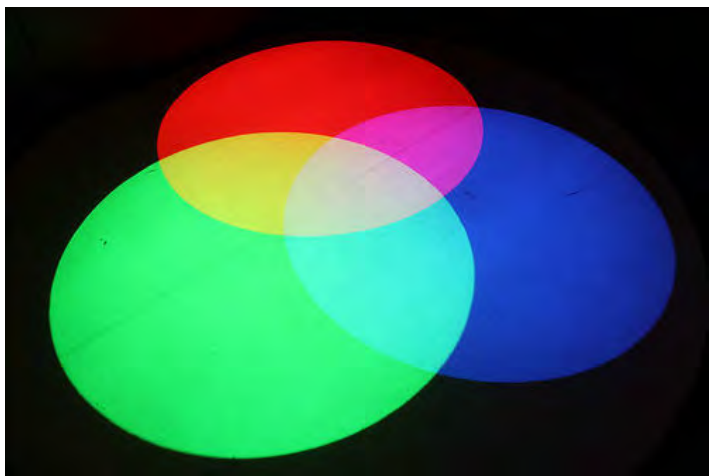
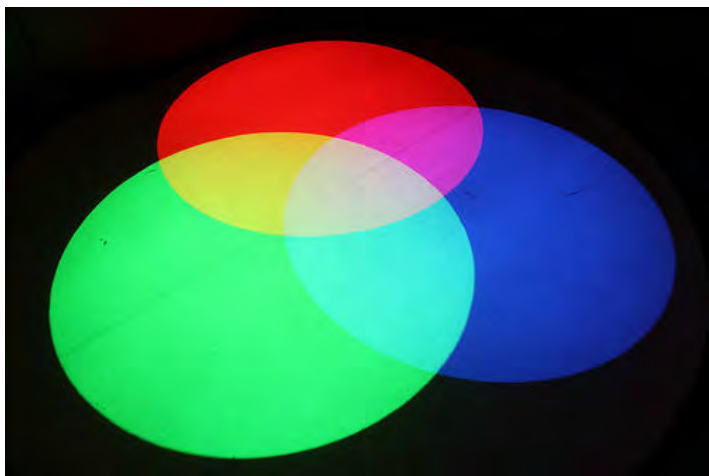
- The primary colors of light are red, green, and blue.
- The primary colors of paint are red, yellow, and blue (or magenta, yellow, cyan in printing).
- Mixing primary colors of light can produce other colors; pigments behave differently.
Primary colors of light mixing to create other colors
Wave Models and Computational Thinking
- Waves can be modeled using graphs, charts, or physical models to show patterns.
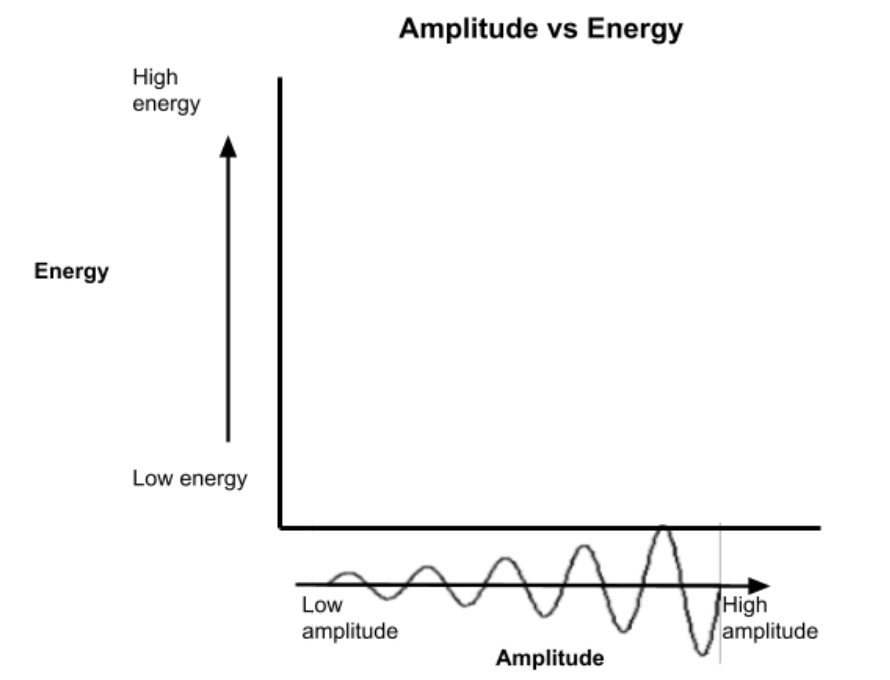
- Amplitude and energy have a direct relationship: as amplitude increases, energy increases.
- Models help identify patterns in wave behavior, such as how amplitude affects energy.
- A wave with higher amplitude has taller crests and deeper troughs.
Amplitude vs energy axes.
幻灯片
练习题
免费预览——42 题中的 8 题。注册即可查看全部。
1.What is the medium of a wave?
Easy- AThe matter through which a wave transfers energy
- BThe energy carried by the wave
- CThe highest point of a wave
- DThe distance between two wave peaks
2.Waves transfer matter from one place to another.
EasyTrue or false?
3.Which of the following is the correct order of colors in the visible spectrum from longest wavelength to shortest?
Easy- ARed, orange, yellow, green, blue, indigo, violet
- BViolet, indigo, blue, green, yellow, orange, red
- CRed, yellow, orange, green, blue, violet, indigo
- DOrange, red, yellow, green, blue, indigo, violet
4.In a transverse wave, the particles of the medium move parallel to the direction of wave travel.
EasyTrue or false?
5.Sound waves are an example of transverse waves.
EasyTrue or false?
6.Which of the following correctly describes the relationship between amplitude and energy of a wave?
Easy- AHigher amplitude means higher energy.
- BHigher amplitude means lower energy.
- CAmplitude and energy are unrelated.
- DHigher amplitude means the same energy.
7.Which type of wave is illustrated by moving a slinky by pushing the end toward the other end?
Easy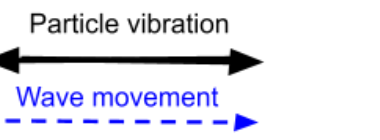
- ALongitudinal wave
- BTransverse wave
- CElectromagnetic wave
- DSurface wave
8.In a longitudinal wave, the particles of the medium move perpendicular to the direction of wave travel.
EasyTrue or false?
历年真题
该知识点的历年真题练习即将推出。
即将推出