Human impact on the environment
邊玩邊學
回答這些題目賺取能量,接著就能釣魚、探索。不需要帳號。
課程筆記
Human Impact on Forests and Spotted Owls
- Logging is the practice of cutting down trees for wood, sometimes clearing large areas of forest.
- In the Lake Chelan area, forest disturbances increased from 1987 to 2017, indicating deforestation.
- Spotted owl populations decreased from 1993 to 2018, while barred owl populations increased.
- Tree cover loss in Chelan provides evidence that deforestation is occurring.
- Logging impacts the spotted owl's habitat by removing trees they need for nesting and hunting.
- The increase in barred owls may be due to habitat changes favoring them over spotted owls.
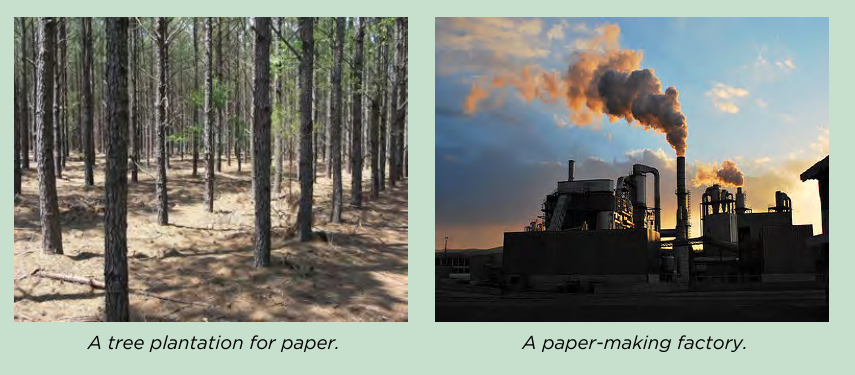
A tree plantation for paper and a paper-making factory
Mining and Its Environmental Impacts
- Mining involves extracting minerals from the Earth, often through open pit or underground methods.
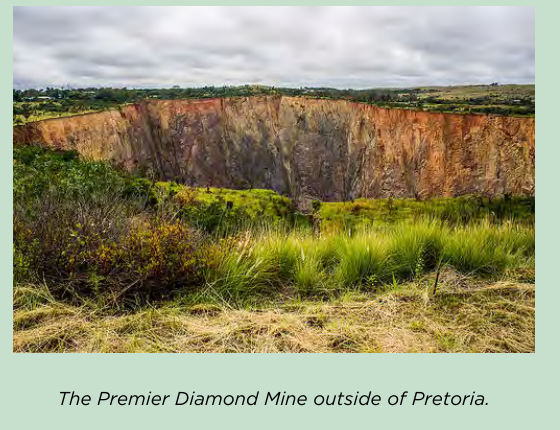
- Open pit mining removes large amounts of soil and rock, changing the landscape and creating mine dumps and pits.
- Mining can cause air pollution from dust and gases like sulfur dioxide and nitrogen dioxide.
- Water pollution can occur if chemicals and tailings (waste materials) leak into water systems, harming wildlife and humans.
- Mining provides jobs and economic benefits, but also has negative environmental consequences.
- Recycling and reducing consumption can help mitigate the impacts of mining.
The Premier Diamond Mine outside Pretoria
Renewable and Nonrenewable Resources
- Natural resources are classified as renewable (unlimited or replenished quickly) or nonrenewable (limited).
- Renewable resources include sunlight, wind, water, and biomass; they can be used sustainably.
- Nonrenewable resources include fossil fuels (coal, oil, natural gas) and minerals; they take millions of years to form.
- Fossil fuels are being used faster than they can be replaced, leading to depletion.
- Per-capita consumption of resources affects Earth's systems; developed countries often consume more energy per person.
- Conservation and use of renewable energy can reduce demand for nonrenewable resources.
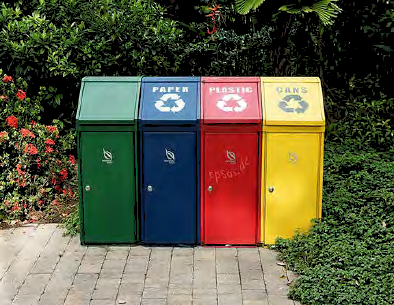
Recycling bins for paper, plastic, and cans
Oil Spills and Their Effects
- Oil spills occur during transport or drilling accidents, causing severe harm to marine life.
- Oil-coated birds cannot regulate body temperature and may die without human help.
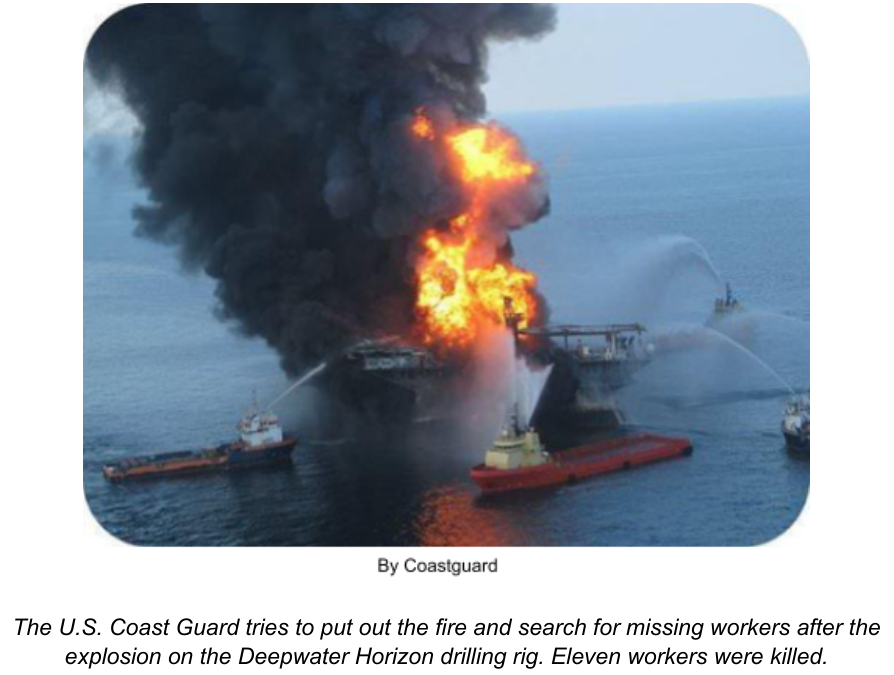
- The Deepwater Horizon spill in 2010 released about 4.9 million barrels of oil into the Gulf of Mexico.
- Cleanup methods include removal (burning, skimming), containment (booms), dispersal (chemicals), and natural bacteria.
- Oil spills have economic impacts on fishing, tourism, and real estate, and environmental impacts on wildlife and habitats.
- Monitoring with sensors and regulations can help prevent and mitigate future spills.
The Deepwater Horizon oil rig explosion
Conservation of Ecosystems
- Ecosystems naturally recycle materials, but human interference can disrupt them.
- Human threats include habitat destruction, pollution, invasive species, and poaching.
- Biodiversity loss occurs when ecosystems are damaged, affecting all interconnected species.
- Conservation efforts by individuals and organizations (e.g., Greenpeace) help protect ecosystems.
- Actions like recycling, reducing waste, and supporting conservation can make a difference.
- Environmental awareness and education are key to sustainable resource use.
Notable conservationists and environmental advocates

投影片
練習題
免費預覽——45 題中的 8 題。註冊即可查看全部。
1.Which of the following best defines a natural resource?
Easy- ASomething supplied by nature and used to improve living conditions
- BSomething made by humans to replace natural materials
- CA resource that is always unlimited and never runs out
- DA resource that is only found in oceans
2.Which of the following is a renewable resource?
Easy- ACoal
- BOil
- CWind
- DNatural gas
3.Fossil fuels are considered nonrenewable because they take millions of years to form and are being used faster than they can be naturally made.
EasyTrue or false?
4.Which of the following is NOT a renewable energy resource?
Easy- ASolar power
- BWind power
- CHydropower
- DNuclear power
5.Entire forests are considered renewable because individual trees can be replanted and grow again within a few decades.
EasyTrue or false?
6.Which of the following is a negative environmental impact of open pit mining?
Medium- ACreation of job opportunities
- BLarge unsightly and dangerous holes in the ground
- CIncreased tourism
- DImproved infrastructure
7.Which of the following are human interferences that cause loss of biodiversity? (Select all that apply)
Medium- AHabitat destruction like deforestation
- BPollution causing global warming
- CAlien invasive plants taking over ecosystems
- DConservation efforts
- EHunting and poaching
8.Which of the following is a method for cleaning up oil spills that involves using bacteria that eat and break down oil?
Medium- ARemoval by burning
- BContainment with booms
- CDispersal with chemicals
- DNatural clean-up crews